What is pityriasis versicolor, and what are its symptoms?
Pityriasis versicolor is a superficial skin infection caused by the overgrowth of a yeast of the genus *Malassezia* (notably *Malassezia furfur* and *Malassezia globosa*), which is normally present as a commensal on human skin. Under the influence of several contributing factors, this yeast transforms into a pathogenic filamentous form and causes spots to appear on the skin.
Typical clinical signs:
- Patches that vary in color from person to person, hence the term “versicolor”: pink, tan, or light brown on fair skin; achromic (lighter) on tanned or dark skin—particularly visible in the summer after sun exposure, as the affected areas do not tan.
- Preferred locations: torso, back, shoulders, neck, and sometimes the arms and abdomen. The face is rarely affected in adults (more common in children and infants).
- Fine, flaky scaling revealed by gentle scraping with a curette: this is the “chip sign” (or Besnier’s sign), a characteristic clinical feature.
- Hyperseborrhea is often associated with the condition.
- Moderate itching or no itching (often mild).
How is pityriasis versicolor diagnosed?
The diagnosis is primarily clinical:
- Visual examination of the characteristic lesions (distribution, appearance, color).
- Positive “wood shaving” sign (fine scaling upon gentle scraping).
- Wood’s lamp (filtered UVA): yellow-orange fluorescence typical of affected areas, useful for identifying lesions and monitoring healing.
- Mycological examination: collection of skin scales for direct microscopic examination (to identify characteristic filaments and “grape-like” spore clusters) or culture. Useful in cases of atypical presentation or treatment failure.
The differential diagnosis includes, in particular, vitiligo, pityriasis alba (achromic eczematid of childhood), idiopathic drop-like hypochromia, seborrheic dermatitis of the trunk, and Gibert’s pityriasis rosea.
What causes pityriasis versicolor?
Several factors promote yeast overgrowth and its transition to a pathogenic form:
- Heat and humidity (tropical climate, summer, damp environments).
- Excessive sweating.
- Increased sebum production (oily skin, adolescence, young adulthood).
- Hormonal factors: pregnancy, birth control, long-term corticosteroid therapy.
- Immunosuppression (chemotherapy, immunosuppressants, HIV, malnutrition).
- Uncontrolled diabetes.
- Constitutional hyperhidrosis.
- Wearing occlusive and synthetic clothing in a hot environment.
- Application of occlusive ointments to the skin.
Pityriasis versicolor is neither a sign of poor hygiene nor an infection acquired “from the outside”: it is an imbalance in the commensal flora specific to the patient’s skin.
What are the treatments for pityriasis versicolor?
Treatment relies on antifungal medications, tailored to the extent of the condition and the frequency of recurrences:
- First-line topical antifungals:
- 2% ketoconazole gel or shampoo used as a body wash: apply to damp skin, leave on for 5 to 10 minutes, then rinse. Usual regimen: apply once daily for 7 days, repeat one week later.
- Selenium sulfide lotion (Selsun, Selegel): an effective alternative; take precautions around the conjunctiva; may discolor fabrics and dyed hair.
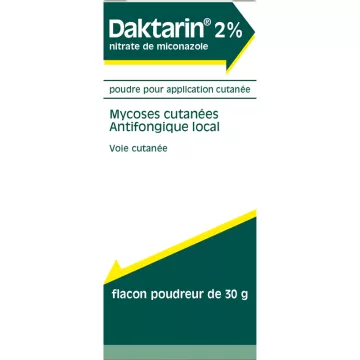
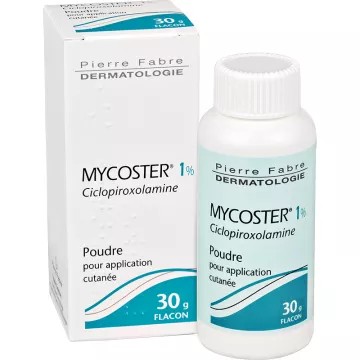
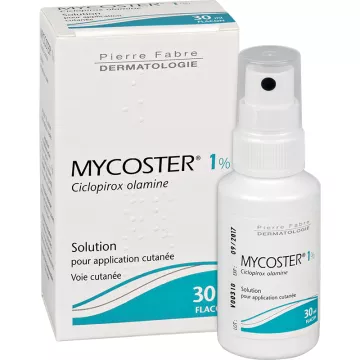
- Ciclopiroxolamine, terbinafine, and miconazole creams: for localized areas.
- Prescriptionoral antifungals for widespread, recurrent, or resistant cases: fluconazole or itraconazole as a short course of treatment. Medical follow-up (check for drug interactions; liver function tests depending on the medication and duration of treatment).
- Maintenance treatment to prevent recurrence: for example, monthly application of ketoconazole shampoo or body wash, especially during hot weather.
- Wash clothing that comes into direct contact with the affected areas (cotton garments, sheets, towels) at 60°C whenever possible.
Repigmentation of the affected areas is gradual and slow: depigmented patches persist for several weeks to several months after the yeast has been eradicated, until the surrounding skin tans or the melanocytes in the treated areas resume normal activity. Gradual sun exposure with **adequate protection** (SPF 30 to 50) aids this repigmentation. See sun protection.
How can pityriasis versicolor be prevented?
Several measures can help prevent recurrences, especially during the warmer months:
- Dry your skin thoroughly, especially in skin folds and on your back, after showering, exercising, or swimming.
- Opt for loose-fitting clothing made of natural fibers (cotton), especially in hot environments.
- Change clothes promptly after exercise or heavy sweating.
- Limit the use of occlusive, oil-based products on the torso and back.
- Follow an antifungal maintenance regimen during the high-risk season for people prone to recurrences.
- Use non-occlusive skin moisturizers.
- Maintain hormonal and blood sugar balance if predisposing factors are present.
- Practice regular hygiene without overdoing it (yeast is part of the normal skin flora; over-cleansing is unnecessary and can damage the skin barrier).
Can pityriasis versicolor be permanently eliminated?
Antifungal medications generally provide temporary relief, but recurrences are common (in 40 to 60% of treated individuals) because the contributing factors persist and yeast is part of the normal skin flora. A “permanent cure” is therefore not guaranteed. An effective strategy combines:
- Curative treatment during each flare-up.
- Preventive maintenance treatment for people with frequent recurrences (topical ketoconazole, monthly regimens).
- Attention to contributing factors (climate, sweating, clothing, hormonal status).
Regular follow-up with a doctor or dermatologist allows the treatment strategy to be adjusted according to the individual’s profile.
How common is pityriasis versicolor?
Pityriasis versicolor is a very common superficial skin condition:
- It is more common in adolescents and young adults (due to high sebum production).
- It is found worldwide, with a significantly higher prevalence in tropical and hot climates.
- It affects men and women equally.
- Increased incidence among athletes, postpartum women, those on long-term corticosteroid therapy, and immunocompromised individuals.
Is pityriasis versicolor contagious?
No, pityriasis versicolor is not considered contagious in the traditional sense. The yeast responsible (*Malassezia*) is part of the normal flora of human skin and is present in everyone. The condition results from an individual-specific imbalance (hormonal, sweat-related, immune, or environmental factors) that promotes the proliferation of this yeast and its transition to a pathogenic form. Sharing clothing is also not considered a significant route of person-to-person transmission, unlike ringworm or dermatophytosis.
Does pityriasis versicolor leave lasting marks?
Changes in pigmentation are the main cosmetic concern:
- On tanned skin, the affected areas appear as white (achromic) patches.
- On fair skin, the patches may remain slightly brown or pinkish for several weeks.
- Complete repigmentation takes anywhere from a few weeks to several months, depending on sun exposure (gradual and protected) and the resumption of melanocyte activity.
- Pityriasis versicolor does not cause scarring or permanent damage to the skin when treated properly.
The use of skincare products rich in active ingredients for pigmentation can be discussed with a doctor depending on the individual case, but patience and sun protection are generally the best allies for repigmentation.
How can pityriasis versicolor be distinguished from vitiligo?
This distinction is essential because the two conditions have nothing in common in terms of their mechanisms or management:
- Pityriasis versicolor: achromic or hyperchromic patches with **fine scaling** (the “wood shaving” sign), distribution on the trunk and back, yellow-orange fluorescence under a Wood’s lamp, positive mycological test. Reversible with antifungal treatment.
- Vitiligo: **completely depigmented** white patches (loss of melanocytes), no scaling, often symmetrical distribution (face, backs of the hands, around the orifices), chalk-white fluorescence under a Wood’s lamp, negative mycological test. A chronic autoimmune disease requiring specific management.
A dermatological examination and a mycological test allow for an accurate diagnosis. If in doubt, do not hesitate to consult a dermatologist.
Are there any natural treatments for pityriasis versicolor?
Several approaches are mentioned, but medical antifungal treatment remains the gold standard:
- Tea tree essential oil: antifungal properties studied in vitro. May be used as a supplementary treatment, always diluted to a maximum of 1% in a carrier oil; perform a patch test on the inner elbow for 24 to 48 hours. Standard precautions: pregnancy, breastfeeding, children under 7 years of age, potential for sensitization.
- Diluted apple cider vinegar (never undiluted) applied as an occasional compress: a cosmetic tradition; limited clinical data on pityriasis versicolor. Avoid use on broken or very sensitive skin.
- Aloe vera gel: provides a soothing effect as a complementary treatment, but has no actual antifungal action.
- Regularly wash laundry at 60 °C as a complementary measure.
These approaches are not substitutes for validated topical antifungals (ketoconazole, selenium sulfide), which remain the fastest and most reliable solutions. A medical consultation can help guide the treatment strategy based on the extent and frequency of recurrences.