Melanin is the natural pigment produced by melanocytes that determines the color of the skin, hair, and eyes. In the field of skincare, it serves two purposes: stimulating its production to promote an even tan and prepare the skin for sun exposure, or regulating excess melanin to reduce dark spots and even out skin tone. There are numerous well-documented cosmetic and nutritional ingredients that target melanogenesis.
What is melanin?
Melanin is synthesized in melanocytes from tyrosine, an amino acid converted by the enzyme tyrosinase. There are two main types:eumelanin (brown-black, photoprotective) and pheomelanin (red-yellow, less photoprotective). UV exposure is the main signal that stimulates melanogenesis—this is the mechanism behind tanning. Melanin absorbs and dissipates UV rays, thereby reducing damage to the DNA of skin cells.
How is melanin formed?
Melanogenesis is a regulated enzymatic cascade that begins with tyrosine.
- Tyrosine → DOPA → dopaquinone → eumelanin or pheomelanin
- Tyrosinase is the key and rate-limiting enzyme in this pathway—anti-dark spot ingredients work by inhibiting this enzyme
- L-tyrosine intake through diet or supplementation can support this synthesis pathway
- MSH (melanotropic) hormones, UV radiation, and certain genetic factors regulate the intensity of melanogenesis
- Cellular antioxidants modulate the reactivity of the pathway by protecting melanocytes from oxidative stress
Melanin and tanning: Which active ingredients stimulate melanin production?
Several nutrients and cosmetic active ingredients help prepare the skin before sun exposure and promote an even tan.
- Beta-carotene: a precursor to vitamin A, it accumulates in the skin and gives it a natural tan—taken as a course of treatment 4 to 6 weeks before sun exposure
- Lycopene: a carotenoid found in tomatoes, provides internal photoprotection and supports skin tone
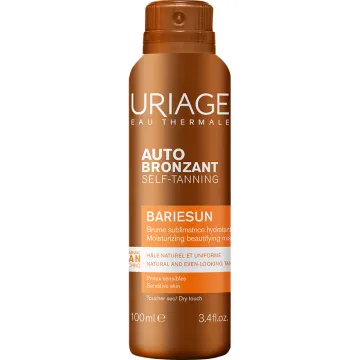
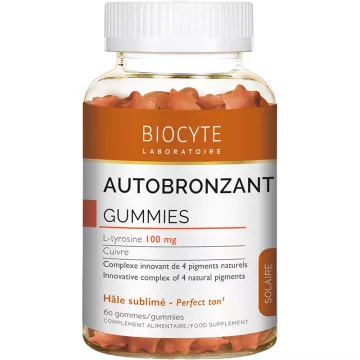
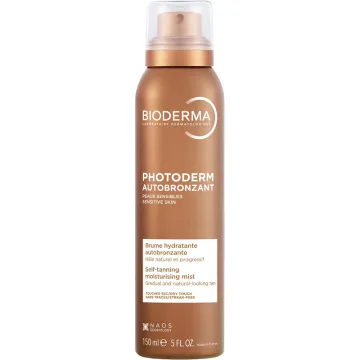
- L-tyrosine: a precursor to melanin, available as an oral supplement and in topical tanning-activating skincare products
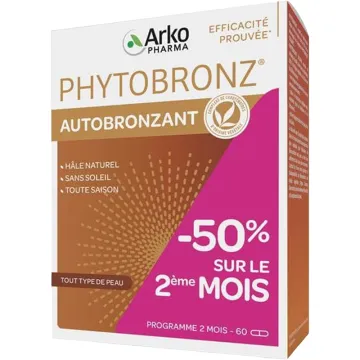
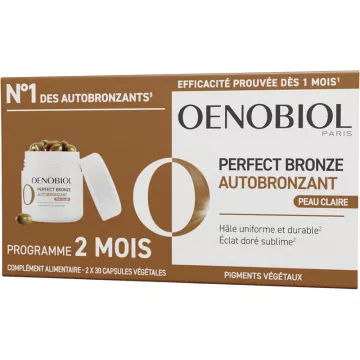
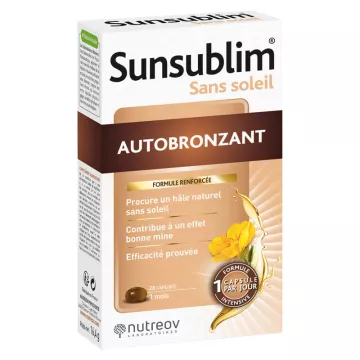
- See our sun preparation products and combined carotenoid + tyrosine formulas for optimized tanning
- These active ingredients complement—but never replace—appropriate topical SPF sun protection
Melanin and Pigment Spots: What Treatments Are Available?
A localized excess of melanin causes brown spots (hyperpigmentation): sunspots, melasma, and post-acne hyperpigmentation. Treatment relies on tyrosinase inhibitors.
- Vitamin C (ascorbic acid): inhibits tyrosinase and reduces melanin that has already been synthesized—the gold standard active ingredient for treating dark spots
- Viniferine: a resveratrol derivative and tyrosinase inhibitor 62 times more potent than kojic acid, according to in vitro studies
- Arbutin, niacinamide, kojic acid, tranexamic acid: complementary active ingredients available in anti-dark spot skincare products
- Facial depigmenting product line available at pharmacies and drugstores
- SPF 50 is mandatory during the day—without sunscreen, anti-dark spot treatments are ineffective
Hair melanin and graying?
Gray hair results from the gradual loss of bulb melanocytes with age (canities) or other factors.
- Melanocytes in the hair follicle produce melanin, which pigments the hair as it grows
- Their gradual depletion is partly linked to oxidative stress— antioxidants can help support their longevity
- L-tyrosine and copper (a cofactor for tyrosinase) are involved in hair pigmentation
- No active ingredient has yet been proven to “repigment” gray hair—supplements help maintain the health of existing hair
Melanin and sun protection: what’s the connection?
Endogenous melanin acts as a natural UV filter, but it is insufficient on its own to protect the skin from prolonged exposure.
- It absorbs UVB rays and some UVA rays—but does not replace a topical SPF
- Fair skin (dominant pheomelanin) has much weaker natural photoprotection than dark skin
- The radiance of the complexion after sun exposure depends on the quality of melanogenesis and the skin’s antioxidant reserves
- For safe tanning: sun preparation products (carotenoids + tyrosine) + appropriate SPF + after-sun moisturizer