Carotenoids are natural, fat-soluble pigments produced by plants, algae, and bacteria. They are responsible for the yellow, orange, and red hues of fruits and vegetables, and they perform antioxidant, visual, and photoprotective functions in the human body. More than 600 have been identified in nature, about 50 of which have been studied for their health effects. Discover our range of natural antioxidants.
What Are Carotenoids?
Carotenoids are divided into two main families: carotenes (pure hydrocarbons: beta-carotene, lycopene) and xanthophylls (oxygenated compounds: lutein, zeaxanthin, astaxanthin). Their fat solubility determines their absorption—a concurrent intake of fats is essential. Several are precursors to vitamin A (provitamins A); others, when not converted, exert their antioxidant effects directly in the tissues where they are concentrated (retina, skin, prostate).
What are the main carotenoids?
Each carotenoid is distinguished by its tissue location and specific effects.
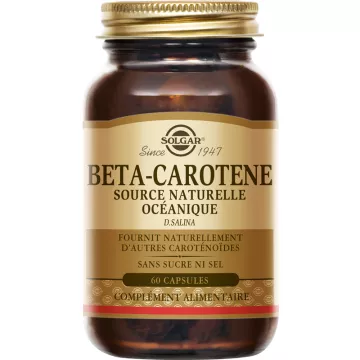
- Beta-carotene: provitamin A—contributes to normal vision (via vitamin A), immune support, and skin protection; carrots, sweet potatoes, apricots
- Lutein: macular pigment of the retina—filters blue light from screens; spinach, kale, egg yolk
- Zeaxanthin: found alongside lutein in the macula—provides synergistic protection for photoreceptors; corn, orange peppers, egg yolks
- Lycopene: a powerful antioxidant concentrated in the prostate and blood vessels; cooked tomatoes, watermelon, pink grapefruit
- Astaxanthin: a marine carotenoid found in microalgae and salmon—a powerful lipophilic antioxidant, studied for joint comfort and athletic recovery
Carotenoids and vision: what role do they play?
Two carotenoids are specifically concentrated in the macula of the retina.
- Lutein and zeaxanthin form the macular pigment that filters out blue wavelengths harmful to photoreceptors
- Their concentration in the macula correlates with the quality of central vision—dietary intake directly influences this level
- See our selection of vision supplements and the page dedicated to AMD for conditions requiring medical monitoring
- Beta-carotene, through vitamin A, contributes to normal night vision
Carotenoids and the skin: what are the benefits?
Carotenoids provide internal photoprotection for the skin, complementing external sun protection.
- Beta-carotene and lycopene accumulate in the skin and neutralize UV-induced oxidative stress
- They help prepare the skin for summer—see sunscreen products containing antioxidants
- They do not replace topical sunscreen during prolonged sun exposure
- Working in synergy with vitamin C, vitamin E, and bioflavonoids, they help preserve the skin’s health
- Caution: If taken in excessive amounts, beta-carotene can cause the skin to turn yellow (carotenodermia)—which is harmless but indicates an overdose
How can you optimize carotenoid absorption?
Since carotenoids are fat-soluble, several factors optimize their bioavailability.
- Consume them with healthy fats—such as olive oil, avocados, and nuts —to increase absorption by 3 to 5 times
- Light cooking is beneficial: cooked tomatoes release more lycopene than raw ones (due to the breakdown of cell walls)
- Vary your sources of color: green vegetables (lutein), orange/red (beta-carotene, lycopene), yellow (zeaxanthin)
- Store away from light and consume fresh juices quickly—carotenoids are sensitive to oxidation and light
Carotenoid supplements: how to choose?
Supplementation is appropriate in several situations involving increased needs or insufficient intake.
- Eye health: combined lutein + zeaxanthin + DHA formulas—see vision supplements
- Summer sun protection: beta-carotene + vitamin E + selenium formulas
- General antioxidants: Include in an antioxidant complex with vitamins C and E and coenzyme Q10
- High-dose beta-carotene is not recommended for smokers (risk according to epidemiological studies)—opt for moderate-dose formulas or lycopene/lutein
- Choose natural forms (carrot, tomato, and marigold extracts) for better synergy with natural cofactors