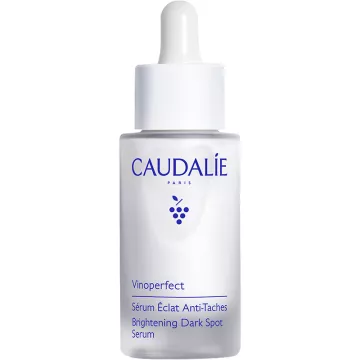
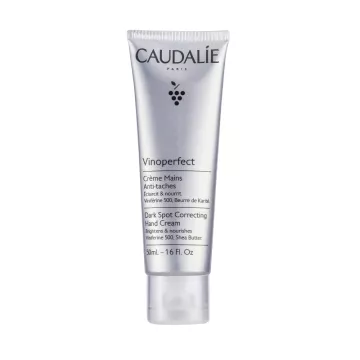
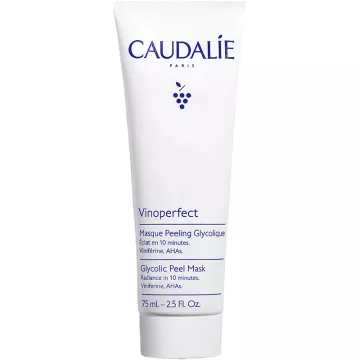
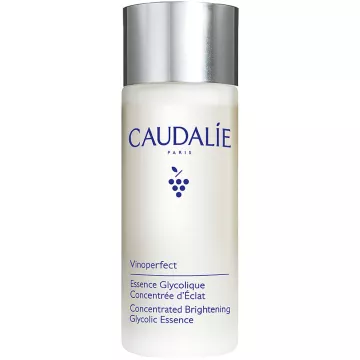
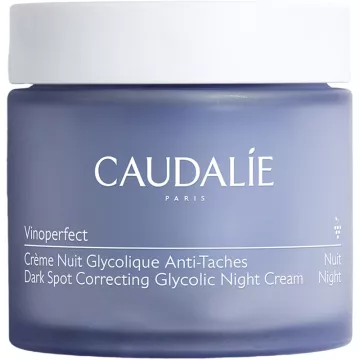
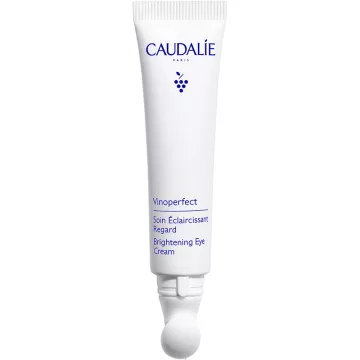
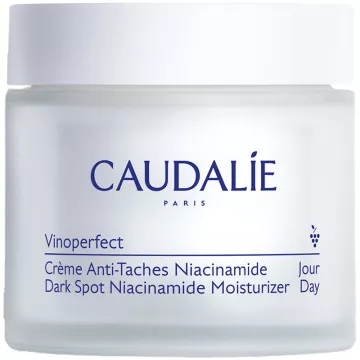
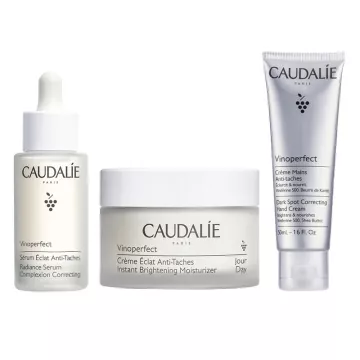
Viniferin (ε-viniferin) is an oligomeric derivative of resveratrol extracted primarily from the shoots and nodes of the grapevine (Vitis vinifera). It differs from resveratrol in its ability to inhibit tyrosinase —a key enzyme in melanogenesis—making it the gold standard active ingredient in naturally derived anti-dark spot skincare products. Discover our anti-aging skincare line.
What is viniferine?
Viniferine is a dimeric stilbene naturally produced by grapevines in response to environmental stressors (UV rays, fungi, stress). It is chemically similar to resveratrol but has a more stable cyclic structure. It is extracted from viticulture byproducts—vine shoots after pruning—making use of a resource available within a sustainable supply chain. Vine shoot extracts are among the polyphenols found in grapes and grape pomace.
Viniferine and pigmentation spots: how does it work?
Viniferine’s anti-dark-spot action is based on a well-documented enzyme inhibition mechanism.
- It inhibits tyrosinase—the key enzyme in melanogenesis that converts tyrosine into DOPA, a precursor to melanin
- According to in vitro studies, its tyrosinase-inhibiting power is 62 times greater than that of kojic acid (the gold standard in anti-dark spot skincare)
- It gradually reduces localized hyperpigmentation: brown spots, sunspots, melasma, and post-acne marks
- Gradual results: first visible improvements after 4 to 8 weeks of regular use
- See our line of facial depigmenting products
Viniferine vs. resveratrol: what are the differences?
Viniferine and resveratrol share the same origin but have distinct primary targets.
- Resveratrol: a powerful antioxidant and sirtuin activator, with cardiovascular and systemic anti-aging benefits—especially when taken as an oral supplement
- Viniferine: a powerful tyrosinase inhibitor, designed to target dark spots and correct pigmentation—primarily when applied topically
- Both are stilbenes derived from grapes—their combination in multi-active formulas is synergistic
- Viniferine is less readily available through diet than resveratrol—topical cosmetic application is its primary use
Viniferine and anti-aging skin care?
Beyond its anti-dark spot action, viniferine contributes to the overall quality of the complexion and skin health.
- Antioxidant action against skin free radicals—protects epidermal cells against photo-induced oxidative stress
- Helps protect collagen and elastin fibers from oxidative degradation
- Improvesthe radiance of the complexion by reducing diffuse hyperpigmentation
- Compatible with moisturizing ingredients: hyaluronic acid, glycerin
- Combine with vitamin C (another complementary tyrosinase inhibitor) for enhanced anti-dark spot action
Topical treatments vs. viniferin supplements?
Viniferine is primarily a topical cosmetic active ingredient —its effects on the skin are achieved through direct local application.
- Topical application: localized effectiveness on hyperpigmented areas (serums, concentrated creams, targeted dark spot treatments)
- Anti-aging serums containing viniferin are the most effective formulation for optimal penetration
- Oral supplementation: systemic antioxidant support via grapevine shoot extracts—less targeted action on dark spots but beneficial for overall protection
- SPF 30+ is essential during the day—without sunscreen, dark spot treatments are ineffective
How to choose viniferine-based skincare products?
A few key criteria for identifying an effective product.
- Check for the explicit mention of “viniferine” or “ε-viniferine” in the INCI list or product description
- Sufficient concentration: viniferine is active at very low concentrations (0.02% in vitro)—cosmetic formulations typically contain 0.1–1%
- Preferred synergistic combinations: viniferine + vitamin C + niacinamide for comprehensive dark spot protection
- Organic French grapevine shoot extract: sustainable use of the viticulture and winemaking industry
- A natural antioxidant source that complements OPCs and resveratrol