What are the essential steps for maintaining your skin’s radiance?
Three pillars form the foundation of healthy, radiant skin every day:
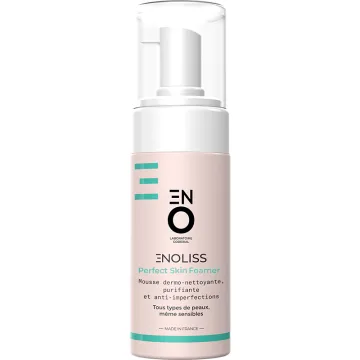
- Gentle cleansing morning and night: removing sebum, pollutants, and skincare residue without damaging the skin barrier
- Moisturizing suited to your skin type (dry, combination, oily, sensitive)
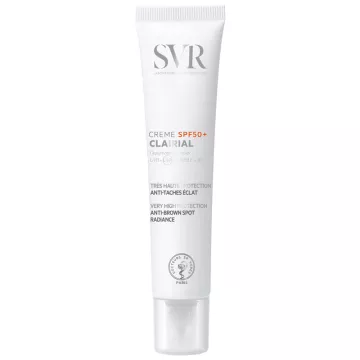
- Daily sun protection with an SPF of at least 30, even on cloudy days
- Always remove makeup every evening if you wear it
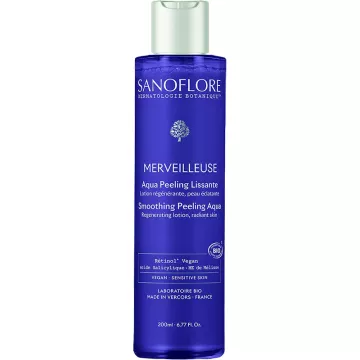
- Cell renewal supported by gentle exfoliation 1 to 2 times a week
- Targeted serum based on needs (hydration, antioxidants, radiance)
- Active ingredients suited to your age and skin type
- Consistency in your skincare routine is more important than sophistication
For skin that tends to look dull or tired, targeted treatments are available: see our guides dedicated to loss of radiance.
How does vitamin C work on the skin?
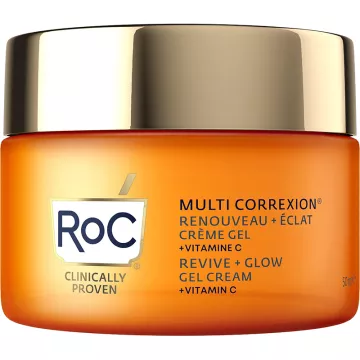
Vitamin C (ascorbic acid) is one of the most well-documented active ingredients in dermocosmetics:
- Antioxidant: neutralizes free radicals produced by UV rays, pollution, and tobacco
- Supports collagen synthesis as part of the skin’s natural functions
- Contributes to an even skin tone and visible radiance
- Helps address pigmentation marks when used in combination with other active ingredients
- Enhances the effectiveness of accompanying sunscreen
Best practices for use:
- Apply vitamin C serum in the morning to cleansed skin, before moisturizer and SPF
- Effective concentrations: 10–20% for pure L-ascorbic acid
- Stabilized forms that are better tolerated: ascorbyl glucoside, magnesium ascorbyl phosphate, ascorbyl tetraisopalmitate
- Opaque, airtightpackaging: Vitamin C oxidizes when exposed to light and air
- Test for tolerance 48 hours before regular use
- Combinations: compatible with hyaluronic acid and niacinamide
See our section dedicated to vitamin C, available as topical products and dietary supplements.
What diet promotes radiant skin?
Diet directly influences skin quality:
- Colorful fruits and vegetables: 5 servings a day, rich in vitamins and antioxidants
- Berries: blueberries, raspberries, blackberries, pomegranates (polyphenols)
- Green vegetables: spinach, broccoli, kale, lamb’s lettuce (folate, vitamin K)
- Fatty fish twice a week: salmon, sardines, mackerel (omega-3, EPA-DHA)
- Nuts and seeds: walnuts, almonds, flaxseeds (essential fatty acids)
- Avocado and olive oil (monounsaturated fatty acids)
- Zinc-rich foods: oysters, meats, lentils
- Carotenoids: carrots, sweet potatoes, tomatoes, apricots
- Green tea: specific antioxidants (catechins)
- Limit intake of simple sugars and ultra-processed foods
- Limit alcohol, which dehydrates the skin and affects its complexion
For targeted supplementation, our natural antioxidants section offers suitable supplements. Selenium, zinc, and vitamin E are among the minerals and vitamins that contribute to skin health.
What professional treatments can complement your routine?
Several aesthetic procedures can complement a skincare routine:
- Chemical peels: glycolic, lactic, mandelic, and salicylic acids; superficial to medium depending on the indication
- Microdermabrasion: gentle mechanical exfoliation
- Microneedling: skin stimulation using microneedles
- Fractional lasers (non-ablative or ablative, depending on the indication)
- Intense pulsed light (IPL) for an even skin tone
- Radiofrequency and focused ultrasound
- Mesotherapy: injections of vitamin cocktails
- Skinboosters: hyaluronic acid in microboluses to improve skin quality
- HydraFacial and combined in-clinic treatments
These procedures are performed by a dermatologist or aesthetic physician. A preliminary consultation is essential to assess indications and contraindications (particularly pregnancy and breastfeeding) and to choose the procedure best suited to your needs. Chemical peels and laser treatments require strict sun protection before and after the procedure.
What habits dull the skin’s radiance?
Several habits can compromise your skin’s radiance:
- Neglecting eveningcleansing, especially if you wear makeup or are exposed to pollution
- Excessive exfoliation, which damages the skin barrier
- Products unsuitable for your skin type
- Combining irritating active ingredients (retinol + AHAs + concentrated vitamin C)
- Failure to use sunscreen daily
- Exposure to UV tanning beds
- Insufficient or poor-qualitysleep
- Smoking and secondhand smoke
- Excessive alcohol consumption
- Unmanagedchronic stress
- Diet low in antioxidants
- Manipulation of skin imperfections (residual marks, scars)
- Washing withwater that is too hot
- Repeated rubbing (rough towel, coarse pillowcase)
Addressing these issues often yields visible results within a few weeks, without the need for additional products.
How does stress affect the skin, and what can you do about it?
Chronic stress has a profound impact on the skin:
- Elevated cortisol levels, which weaken the skin barrier
- Low-grade inflammation and breakouts
- Impaired microcirculation: dull complexion, dark circles
- Disrupted cell regeneration
- Increased oxidative stress and accelerated skin aging
- Associatedharmful habits: smoking, alcohol, poor diet, and poor sleep
Management strategies:
- Cardiac coherence: 3 sessions of 5 minutes per day, 6 breaths per minute
- Yoga, mindfulness meditation, sophrology
- Regular physical activity that regulates stress hormones
- 7 to 9 hoursof quality sleep
- Exposure to natural light during the day
- Social connection and emotional expression
- Adaptogenic herbs as recommended by a pharmacist (rhodiola, ashwagandha)
- Limiting stimulants (caffeine, alcohol)
Stress is unavoidable, but managing it can significantly reduce its impact on the skin.
How much water should you drink to stay hydrated?
Internal hydration contributes to skin suppleness:
- 1.5 to 2 liters of water per day, adjusted according to physical activity and temperature
- Spread out throughout the day rather than drinking large amounts at once
- Water-rich foods: cucumber, watermelon, zucchini, tomato, soup, fresh fruit
- Herbal teas and infusions without contraindicated herbs
- Limit sugary drinks and sodas
- Consume alcohol in moderation, as it dehydrates the body
- Limit salt, which promotes fluid retention
Signs of good hydration: clear urine, supple skin, lips that aren’t dry, and good tolerance for physical exertion. Oral hydration is not a substitute for topical hydration, which acts on the skin barrier through appropriate skincare products. For particularly dry skin,hyaluronic acid —applied topically or taken as a dietary supplement—may be helpful.
Which natural ingredients promote a radiant complexion?
Several naturally derived ingredients are used in cosmetics:
- Honey: moisturizing, traditionally used in face masks (perform an allergy test first; be aware of allergies to bee products)
- Purealoe vera gel: soothing and moisturizing
- Rosehip oil: supports skin health; use in the evening
- Jojoba oil: balances combination skin
- Shea butter: nourishing for dry skin
- Rose or cornflower floral water: toning
- White or pink clay: gentle, for use as a mask
- Green tea and resveratrol: plant-based antioxidants
- Topical turmeric: Ayurvedic tradition; be careful of stains on fabrics
Precautions: Perform a patch test 48 hours before regular use; strictly avoid essential oils during pregnancy and breastfeeding; use lemon on the skin with caution (phototoxic). Home remedies are not a substitute for products formulated to address specific skin concerns. Ask your pharmacist for advice on combining natural approaches with formulated skincare products.
How can you optimize your evening skincare routine?
Nighttime is the skin’s prime regeneration period:
- Thoroughly remove makeup using micellar water, makeup-removing oil, or cleansing milk, depending on your skin type
- Double cleanse for skin wearing makeup or exposed to pollution
- Applya targeted serum based on your needs: hyaluronic acid for dehydrated skin, niacinamide for an even complexion, and cosmetic retinol for skin renewal (use only at night; not recommended during pregnancy or while breastfeeding)
- Specificeye contour treatment
- Night cream, which is richer than day cream and does not contain SPF
- Plant-based oils for dry or mature skin
- Avoid layering irritating active ingredients (retinol + AHA = irritation)
- Facial massage or cold roller to promote skin comfort
- Cleanpillowcase, ideally made of silk
- Sleep in a cool bedroom (18–20 °C)
Avoiding screens for 1 hour before bedtime improves sleep quality and, consequently, skin regeneration. For mature skin, specific skincare products for mature skin are available.
How often should you use face masks?
Face masks deliver concentrated active ingredients over a short period of time. Adjust according to skin type:
- Normal to dry skin: moisturizing mask 1 to 2 times a week
- Combination skin: a purifying mask on the T-zone and a moisturizing mask on the cheeks, once a week
- Oily or blemish-prone skin: a purifying clay mask 1 to 2 times a week, a gentle exfoliating mask once a week
- Sensitive skin: soothing mask once a week, using ultra-gentle formulas
- Mature skin: nourishing and firming mask 1 to 2 times a week
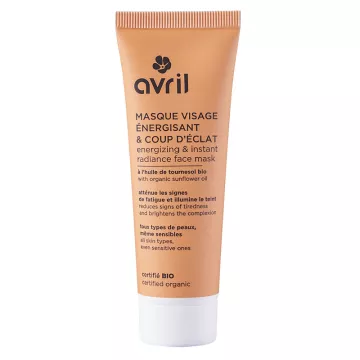
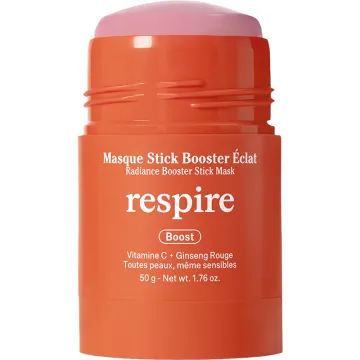
- Dull skin: Radiance-boosting mask with antioxidants once a week
Best practices:
- Apply to clean skin in an even layer
- Follow the recommendedapplication time; do not let it dry out excessively
- Rinse with lukewarm water and gently pat dry
- Follow up with serum and moisturizer
- Do not combine masks during the same session (use only one at a time)
- Do not use a mask on the day of a cosmetic treatment (chemical peel, microdermabrasion)
- Test any new mask on a small area before applying it to the entire face
For skin that is already sensitive or undergoing treatment with specific active ingredients, the frequency may be reduced. Consult your pharmacist if you have any doubts about the routine best suited for your skin.


![Filorga Hydra-Aox [5] 30 ml](https://www.soin-et-nature.com/media/cache/shop_product_thumbnail/products/5/2/5/2/7/52527.jpg "Filorga Hydra-Aox [5] 30 ml")