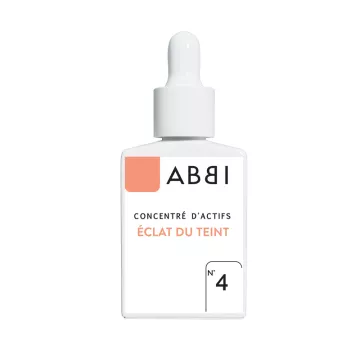
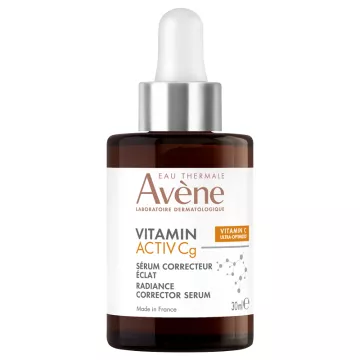
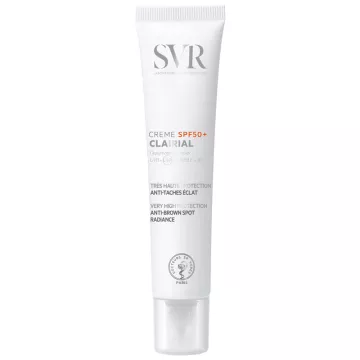
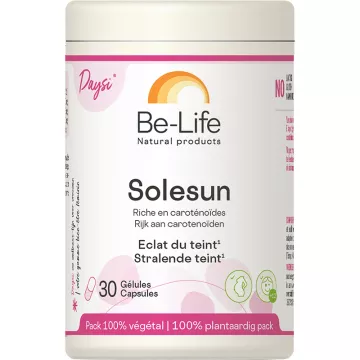
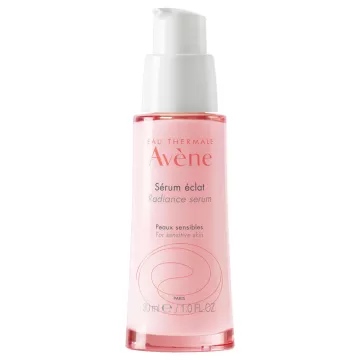
Loss of skin radiance is characterized by a dull, less radiant complexion that reflects light less effectively. It most often results from a decrease in the renewal of the stratum corneum and a decline in superficial skin hydration. Among the main contributing factors are:
If the loss of radiance occurs suddenly and is accompanied by prolonged paleness, yellowing of the skin, or marked fatigue, a medical consultation is recommended (anemia, thyroid disorder, or liver damage may be the cause).
Prevention relies on a simple and consistent skincare routine, combined with a healthy lifestyle. Adopt the following daily:
Supplementing with a targeted regimen of oral antioxidants (green tea, berries, vitamin C) can support overall antioxidant defense—after consulting a professional if you’re undergoing chronic treatment or have a medical condition.
Several cosmetic and medical approaches are available:
A preliminary consultation is essential before any invasive or semi-invasive procedure to assess the indication, expected benefits, possible side effects (redness, peeling, transient photosensitivity, pigmentary changes), and any contraindications (pregnancy, breastfeeding, specific medical history).
Hydration is one of the cornerstones of radiant skin. Well-hydrated skin better maintains its comfort, suppleness, and the integrity of its skin barrier, which promotes better light reflection and a more luminous complexion. Loss of hydration is one of the primary causes of a dull complexion and fine lines caused by dehydration.
Using a suitable moisturizer morning and night—one rich in hyaluronic acid, glycerin, or aquaporins—and supplementing this with an adequate water intake based on your activity level and climate (on average, 1.5 to 2 L/day for a healthy adult) provides a solid foundation. No miracle cure can replace a consistent daily routine.
Several natural remedies are traditionally used to soothe the skin and enhance its natural radiance:
These approaches are meant to be complementary and do not replace a structured skincare routine. For children under 1 year of age, never apply or allow them to ingest honey (risk of infant botulism).
Exfoliation removes dead skin cells from the stratum corneum, which helps reveal a more luminous complexion and improves the absorption of subsequent skincare products. Two approaches are used:
Recommended frequency: 1 to 2 times per week, depending on tolerance. Do not use multiple exfoliants on the same evening.
Hormonal fluctuations visibly affect the quality of the complexion. During pregnancy, changes in the menstrual cycle, or menopause, you may notice increased sebum production, uneven pigmentation (pregnancy mask), or a loss of elasticity. During menopause, declining estrogen levels contribute to thinner, drier skin and a less radiant complexion.
To address these changes: adjust your skincare routine (intensified hydration, targeted treatments), maintain strict sun protection, support your skin’s radiance from the inside with a diet rich in antioxidants and omega-3s, and consider a course of marine collagen or peptides as advised by a healthcare professional. In cases of pronounced hormonal symptoms, a medical consultation (with a gynecologist, endocrinologist, or dermatologist) can help guide your care.
Diet plays a key role in the overall quality of the skin. Several food groups help promote a healthy glow:
Conversely, a highly processed diet rich in fast-acting sugars and pro-inflammatory foods often exacerbates a dull complexion over the long term. Limiting alcohol and quitting smoking are among the most effective strategies.
Chronic stress leads to a prolonged increase in cortisol, which can disrupt hormonal balance, weaken the skin barrier, trigger breakouts, and contribute to an uneven complexion. It also often impairs sleep quality, another cornerstone of well-rested skin.
To mitigate these effects: incorporate daily breaks (deep breathing, meditation, yoga, walking outdoors), engage in regular physical activity, and support healthy sleep. Certain adaptogenic or soothing herbs (rhodiola, hawthorn, passionflower, valerian) are traditionally used to help manage periods of stress; consult a healthcare professional when selecting them. In cases of debilitating stress or persistent symptoms, a medical or psychological consultation is recommended.
Sleep is one of the key moments in the skin’s physiological renewal. During the night, skin microcirculation and cellular repair processes follow their natural cycles, contributing to a rested complexion upon waking. Conversely, insufficient sleep quickly results in a dull complexion, more pronounced dark circles, and skin that looks tired.
To optimize this: aim for 7 to 9 hours of sleep per night depending on your needs, maintain a regular sleep schedule, limit screen time and blue light in the evening, and sleep in a cool, dark room. A nighttime skincare routine with restorative ingredients (peptides, niacinamide, ceramides) can support this natural process. A humidifier can be helpful in the winter, when heating dries out the air and the skin.