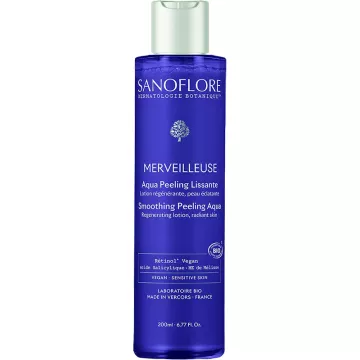
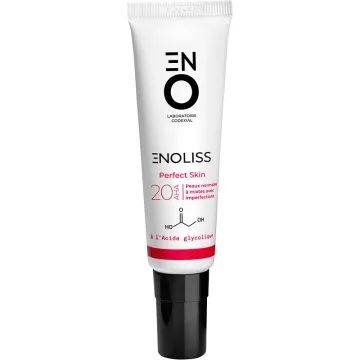
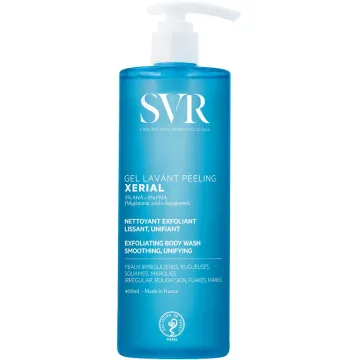
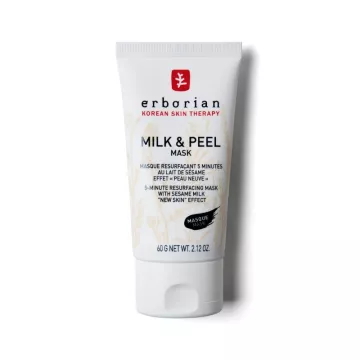
What is a gentle peel?
A gentle peel is a chemical exfoliation technique that uses low-concentration acids to remove superficial corneocytes and stimulate cell turnover in the epidermis. Unlike medium or deep peels, which are performed exclusively in a dermatologist’s office (trichloroacetic acid [TCA], phenol), a gentle peel acts solely on the stratum corneum and the junction with the granular layer. It is part of a routine or a series of regular sessions at a skincare center, requires no downtime, and is suitable for most skin types. It is never a trivial procedure: its context, frequency, and precautions deserve to be fully understood.
Which acids are used in gentle peels?
Three main families ofcosmetic acids dominate:
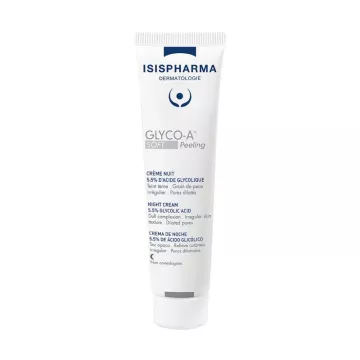
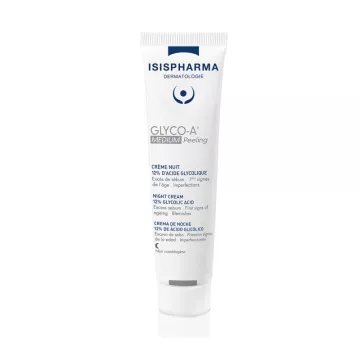
- AHAs — Water-solublealpha-hydroxy acids: glycolic acid (the most penetrating), lactic acid (the gentlest and most hydrating), mandelic acid (a mild antibacterial), malic acid, citric acid;
- BHA — Fat-solublebeta-hydroxy acids: salicylic acid, capable of penetrating sebum and targeting pores—the gold standard for treatingacne and blackheads;
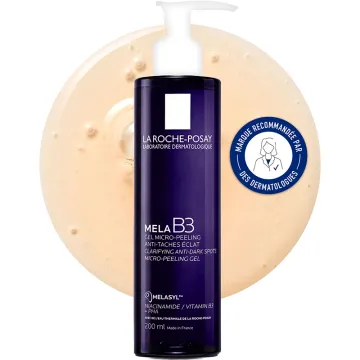
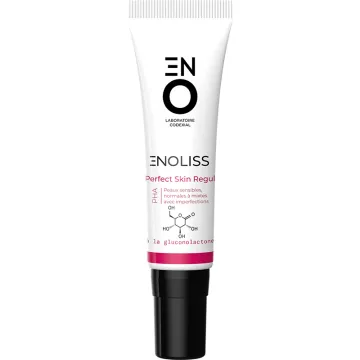
- PHA — Polyhydroxy acids: gluconolactone, lactobionic acid — larger molecules, gradual penetration, optimal tolerance, recommended for sensitive skin new to peels.
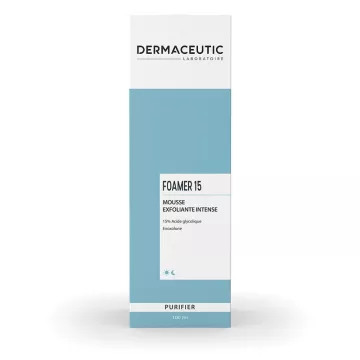
Typical concentrations in cosmetics: 5 to 10% for at-home use; up to 20–30% in professional salons; concentrations higher than that require medical treatment at a dermatologist’s office.
How do they work on the skin?
Cosmetic acids work through gentle keratolysis:
- They weaken the bonds between corneocytes (desmosomal bridges);
- Dead cells shed more easily, revealing more even-toned skin;
- Surface cell turnover is accelerated;
- Indirect stimulation of fibroblasts and collagen synthesis with regular use over several weeks;
- Visible improvement in skin texture andcomplexion radiance, with gradual fading of superficial dark spots;
- Additional moisturizing effect from AHAs, which have an affinity for water.
Who is this treatment really intended for?
The primary indications cover several skin concerns:
- Dull complexion, seasonal loss of radiance, uneven skin texture;
- Superficial hyperpigmentation, post-inflammatory spots, post-pregnancy hyperpigmentation (melasma should be referred to a dermatologist);
- Mild to moderate acne and blackheads (BHA as a first-line treatment);
- Early signs of photoaging: fine lines, incipient loss of firmness;
- Skin with normal to good tolerance;
- Avoid: ultra-sensitive skin, intolerant skin, active skin conditions (eczema, active rosacea, localized psoriasis), pregnant or breastfeeding women (as a precaution), and areas with open wounds or that have recently been exposed to the sun.
What does a typical session involve?
A professional session follows a specific protocol:
- Cleansing and degreasing the skin with acetone or a mild alcohol-based cleanser;
- Application ofthe acid with a brush or compress, in controlled layers;
- Dwell time of 2 to 10 minutes, depending on the acid and concentration;
- Monitoring for signs of saturation (light frosting, erythema);
- Neutralization (for AHAs) or thorough rinsing with water;
- Apply a soothing serum and a restorative cream;
- SPF 50 sun protection is mandatory immediately after the treatment;
- At home: Use low-concentration products (5–10%), apply no more than 2–3 evenings per week, and never apply to damp skin at the start of the treatment.
What results can you expect?
Gradual results generally appear after several weeks:
- After the first session or 2 weeks of at-home care: a clearer complexion and a refined skin texture;
- After 4 to 6 weeks: visible reduction in superficial spots, reduced blackheads;
- After 2 to 3 months of regular use: improved firmness and a reduction in fine lines;
- Results are maintained with ongoing use (1 to 2 sessions per month at a spa, or 2 evenings per week at home);
- For pitted acne scars, deep wrinkles, or severe melasma, gentle peels are limited —other approaches (medium peels, laser treatments, micro-needling) require a dermatological consultation.
What precautions should be taken before and after?
Before the peel:
- Discontinue retinoids, strong AHAs, and mechanical exfoliants 7 days beforehand;
- Avoid all sun exposure for 2 weeks beforehand;
- Do not undergo hair removal or cosmetic procedures within the 5 days prior;
- Report any ongoing medical treatments (oral isotretinoin = absolute contraindication).
After the peel:
- Strict daily use of SPF 50 sunscreen for at least 4 weeks (the skin is more vulnerable to UV rays);
- Intensive moisturizing morning and evening with gentle products (ceramides, glycerin, niacinamide);
- Do not peel or scratch off any flaking skin;
- Discontinue all other concentrated active ingredients for 7 to 10 days;
- Avoid saunas, steam rooms, chlorinated pools, and intense exercise for 48 to 72 hours;
- In case of severe redness, pain, oozing, or blisters: seek medical attention promptly.
When should you see a dermatologist?
A specialist’s opinion is necessary in several situations:
- Before your first chemical peel on skin with a dermatological condition (rosacea, eczema, melasma);
- If the skin has indented acne scars, deep wrinkles, or marked hyperpigmentation—a medium-depth peel or a dermatological procedure will be more appropriate;
- Unusual post-peel reaction (persistent redness lasting more than 5 days, post-inflammatory hyperpigmentation);
- A history of hypertrophic or keloid scarring;
- Desire to begin a structured anti-aging skincare regimen;
- Pregnant or breastfeeding women seeking personalized advice.
The community pharmacist can recommend at-home dermo-cosmetic exfoliating products tailored to each skin type and identify situations that warrant an in-office procedure.