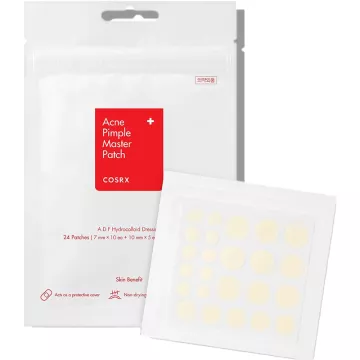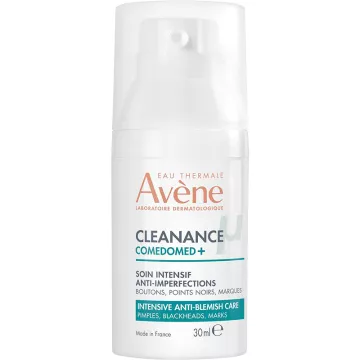
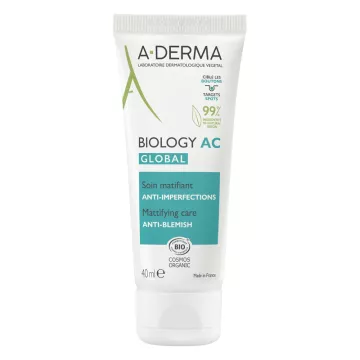
A blackhead (open comedone) forms when a mixture of sebum and keratin clogs the ostium of a hair follicle whose opening remains exposed to the air. The sebaceous contents oxidize upon contact with oxygen and take on their characteristic black color—due to the oxidation of lipids and melanin. The black color is not caused by dirt but by an inevitable chemical reaction. The most commonly affected areas are the nose, chin, and forehead—areas with a high density of sebaceous glands. Zinc is a key active ingredient for reducing excess sebum, which fuels the formation of comedones—whether used topically or as a dietary supplement (it inhibits 5α-reductase, a key enzyme in sebum production).
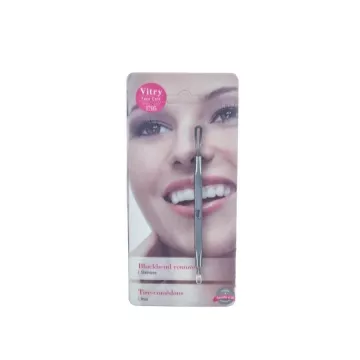
A blackhead remover is a mechanical extraction tool made of stainless steel that allows you to remove an open blackhead without pinching or damaging the skin. The correct technique: thoroughly cleanse the face (ideally after applying a warm compress to soften the plug), place the ring around the blackhead, apply light, even pressure, and disinfect immediately after extraction. This technique is intended only for well-formed, open comedones—it should never be used on an inflamed pimple (risk of bacterial spread).Tea tree essential oil (terpinen-4-ol, 1–2 drops diluted on a cotton pad) is the go-to natural antiseptic to apply after extraction to minimize the risk of infection in the open follicle.
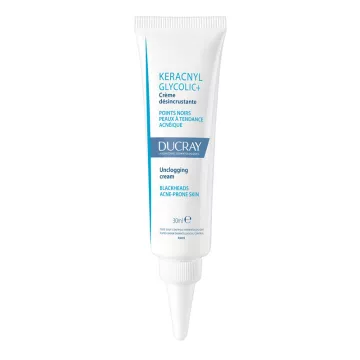
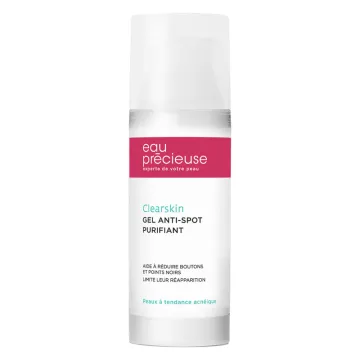
Chemical exfoliants are the most effective active ingredients for treating blackheads without manual extraction:
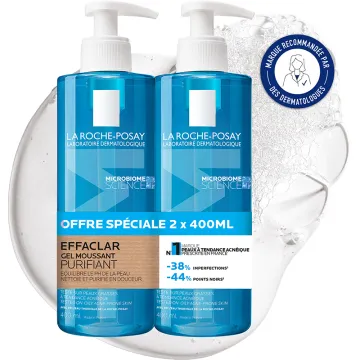
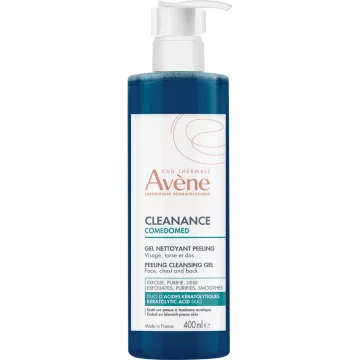
Cleansers containing 0.5–2% AHA or BHA provide a gentle exfoliating effect with each use, even during brief contact with the skin—they gradually reduce keratin buildup in the follicles and thin the sebum. Use morning and evening, gently massaging for 30 to 60 seconds onto a wet face, then rinse thoroughly. Wild pansy (Viola tricolor) is a plant traditionally used for oily, comedogenic skin—its flavonoids have a mild anti-inflammatory and sebum-regulating effect when used in 4- to 8-week treatment courses.
Burdock (Arctium lappa, a root rich in polyacetylenes and inulin) is the classic liver-purifying herb for oily, acne-prone skin—its bile-stimulating action improves the elimination of excess androgens that stimulate sebum production. Crajiru (Arrabidaea chica, an Amazonian plant rich in polyphenols) is used for its purifying properties when applied topically to blackheads. These phytotherapeutic approaches address the internal causes of hyperseborrhea—they complement topical treatments in 8- to 12-week regimens.
Prevention relies on four fundamental steps. Cleansing twice daily with a soap-free gel removes sebum and dead skin cells before they clog the follicles. A gentle chemical exfoliant (BHA or mild AHA) 2 to 3 times a week keeps the follicles clear. A lightweight, non-comedogenic moisturizer balances sebum production by preventing a rebound effect. Daily use of a non-comedogenic SPF 30+ (preferably with mineral filters) provides protection without aggravating blackheads. A gentle weekly peel (low-concentration mandelic or pyruvic acid) rounds out the routine to keep follicles clear between daily skincare sessions.