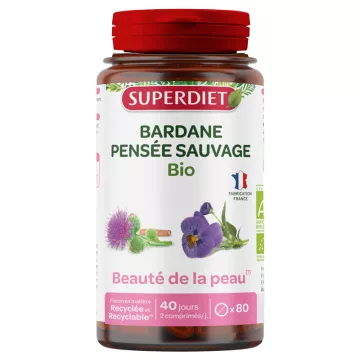
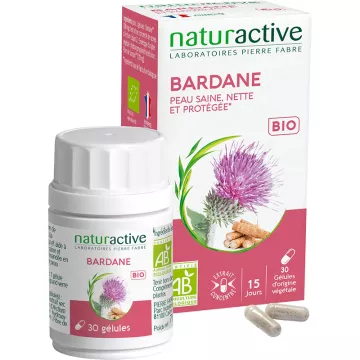
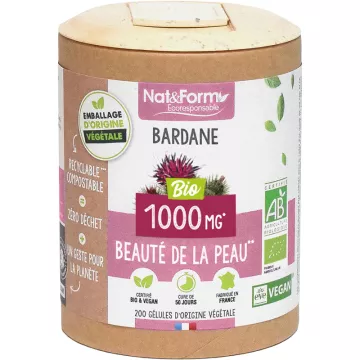
Burdock (Arctium lappa) is a biennial plant in the Asteraceae family, native to Europe and Asia, that has been used since ancient times in herbal medicine and traditional Chinese medicine. It is primarily the root (Bardanae radix) that is used, which is rich in inulin (a prebiotic fiber), polyphenolic compounds, and phenolic acids. Burdock is traditionally classified as a depurative herb, alongside dandelion. It is particularly renowned for soothing oily, blemish-prone skin, when used both internally and externally. It can be consumed as an infusion, decoction, dietary supplement, or applied to the skin.
The EMA (European Medicines Agency) recognizes burdock root for traditional use in two main indications. First, to increase urine volume to support elimination functions (mild diuretic effect) as part of a detoxification regimen. Second, it is traditionally used to support skin with seborrheic conditions. This recognition is based on long-standing traditional use rather than on large-scale clinical trials. Burdock is not a substitute for medical treatment of chronic skin conditions. For severe dermatological conditions, a dermatologist’s consultation remains essential.
For acne-prone and combination skin, burdock is a go-to herb for both internal and external use:
Its action helps soothe oily skin, as a complement to a suitable skincare routine and dermatological follow-up if necessary.
Burdock is one of the key herbs in traditional detox regimens, alongside dandelion and artichoke. Its traditional use as a mild diuretic supports urinary elimination as part of a seasonal cleansing regimen. It is traditionally used to support healthy lymphatic circulation as part of spring detox regimens. A standard regimen lasts 3 weeks, with 1 to 2 cups of herbal tea per day or as a dietary supplement, depending on the instructions. To maximize the effect, combine it with adequate hydration (at least 1.5 L of water per day) and a balanced diet. These cleansing regimens are intended to promote comfort and well-being and do not claim to have therapeutic effects.
Burdock root is rich in inulin, a prebiotic fiber that nourishes the beneficial bacteria in the gut microbiome and contributes to digestive comfort. To support digestion, it is traditionally consumed as a tea after meals. Its high fiber content supports healthy bowel movements and may help reduce the feeling of a bloated stomach in people with sluggish digestion. Since inulin is a fermentable fiber, a gradual introduction is recommended to avoid initial digestive discomfort (temporary bloating). Burdock is part of a holistic approach to digestive comfort that includes a high-fiber diet, hydration, and regular physical activity.
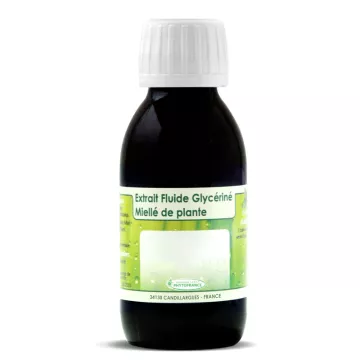
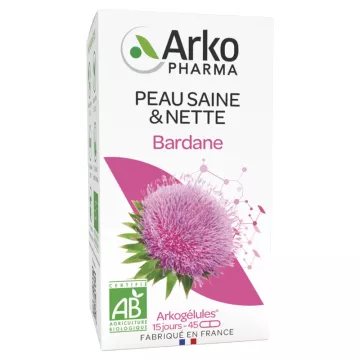
Burdock is available in several forms depending on its intended use.An infusion made from dried root is prepared using one tablespoon per 250 ml of water, simmered for 10 minutes, and taken 1 to 2 cups per day. The more concentrated decoction (simmered for 15 to 20 minutes) is suitable for detox regimens and for external use as a lotion. Capsules and tablets containing dry extract provide a precise and convenient dosage for internal use. Oral ampoules and liquid extracts offer adjustable concentrations. For external use, the cooled decoction can be applied as a lotion or compress to oily, blemish-prone skin. The mother tincture rounds out the range of products. Opt for standardized extracts to ensure a consistent dosage of active ingredients.
Several precautions are necessary. People allergic to the Asteraceae family (dandelion, chamomile, daisy, arnica, ragweed) should avoid burdock due to the risk of cross-allergy, which is common within this botanical family. Pregnant or breastfeeding women should avoid burdock due to insufficient safety data. Its mild diuretic effect may interact with certain medications, particularly antidiabetics (monitor blood sugar levels), antihypertensives, and diuretics (additive effect). People prone to low blood pressure should exercise caution, as burdock may slightly lower blood pressure. Individuals taking anticoagulants or diabetes medications should seek advice from a pharmacist. A 48-hour patch test on the inner elbow is recommended before any topical use. If skin problems persist or worsen, consult a healthcare professional. Inulin should be introduced gradually to minimize digestive discomfort.
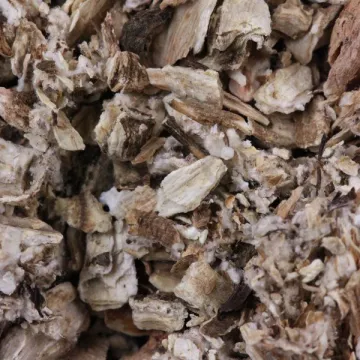
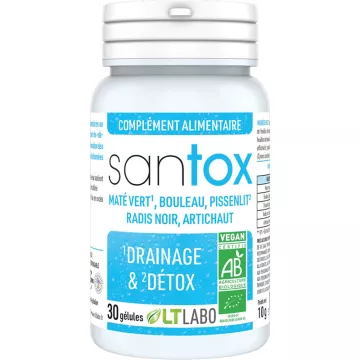
Several criteria help identify a reliable product. The part used must be specified: the root (radix) is most commonly used for detoxifying and topical applications. The Bio AB or Ecocert label guarantees the absence of pesticide residues, which is important for a root that concentrates soil elements. For standardized extracts, the content of active ingredients (inulin, phenolic compounds) must be listed to ensure a consistent dosage.European origin (France, Eastern Europe) is a mark of quality and traceability.The appearance of the dried root should be uniform, with no mold or suspicious odor. Packaging in airtight pouches or opaque bottles preserves quality by protecting the product from moisture and light. For detox regimens, burdock is also available in ready-to-use blends with other cleansing herbs.