Acne is a very common skin condition that affects the vast majority of adolescents (to varying degrees) as well as many adults, particularly women. More than just a cosmetic concern, it is a chronic inflammatory skin condition that can affect quality of life and psychological well-being. It results from a multifactorial process involving excess sebum production, hyperkeratinization of the pilosebaceous follicles, proliferation of the bacterium *Cutibacterium acnes*, and associated skin inflammation.
What is acne, and what are its main causes?
Acne manifests as various types of lesions on sebaceous areas (face, forehead, cheeks, chin, back, chest):
- Retentional lesions: blackheads (open comedones) and microcysts (closed comedones).
- Inflammatory lesions: red bumps (papules), pustules.
- Deeper lesions: nodules, cysts (nodulocystic acne).
The main factors involved:
- Hyperseborrhea (excess sebum) caused by hormonal influences (androgens).
- Hyperkeratinization of the hair follicle that clogs the pores.
- Proliferation of *Cutibacterium acnes* (current nomenclature; formerly *Propionibacterium acnes*).
- Local inflammation.
- Hormonal factors: puberty, menstrual cycle, pregnancy, polycystic ovary syndrome (PCOS), certain treatments.
- Aggravating factors: certain comedogenic cosmetics, friction, stress, and a high-glycemic-index diet in some individuals.
How can acne be treated effectively?
Acne management depends on its severity (mild, moderate, severe, nodulocystic) and its impact. French guidelines (SFD, HAS) recommend a stepwise approach:
- Mild to moderate acne:
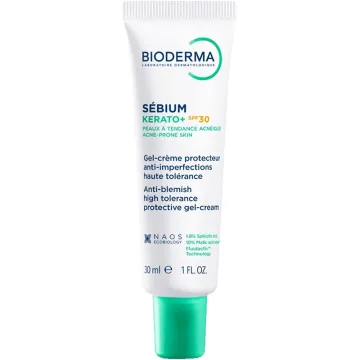
- Topical treatments: salicylic acid at cosmetic concentrations (max 2% according to EC Regulation 1223/2009), niacinamide, and low-concentration alpha-hydroxy acids.
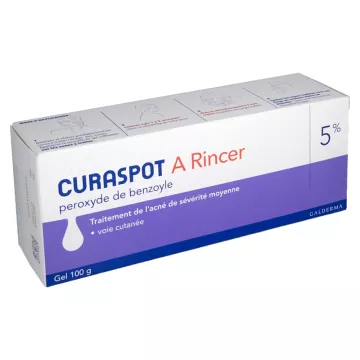
- Benzoyl peroxide gel or cream (typical concentrations 2.5% to 5%): available at pharmacies with a pharmacist’s advice or by prescription, depending on the country and concentration. Precautions: photosensitizing (SPF essential), bleaches fabrics and bedding, initially irritating (start with brief applications and gradually increase).
- Prescription topical retinoids (adapalene, tretinoin, topical isotretinoin): effective for both comedonal and inflammatory forms of acne. Photosensitizing; some are contraindicated during pregnancy. Not to be confused with cosmetic retinol (available over the counter, less potent, may be used alongside but not as a substitute for medical treatment).
- Prescribed fixed-dose combinations (benzoyl peroxide + adapalene, etc.).
- Moderate to severe acne:
- Topical antibiotics (clindamycin, erythromycin—only in combination, never alone, to limit bacterial resistance).
- Oral antibiotics: cyclines (doxycycline, lymecycline) by prescription, in short courses (generally 3 months); avoid in cases of known allergy, in children under 8 years of age, and during pregnancy.
- For women: may be combined with hormonal therapy depending on the specific situation (by prescription).
- Severe or resistant acne:
- Oral isotretinoin (systemic form): the standard of care for severe or resistant forms, prescribed by a dermatologist. Highly effective but with a significant side effect profile. **Teratogenic (absolute contraindication during pregnancy)**: A pregnancy prevention program (ANSM) requires continuous effective contraception, regular pregnancy tests, and prior consent for women of childbearing age. Strict medical monitoring (liver and lipid function tests, monitoring for psychological side effects, and severe skin and mucous membrane dryness). If psychological symptoms occur during treatment (mood changes, depressive thoughts), seek medical attention immediately.
Self-prescribing these treatments is not appropriate: a medical consultation allows the treatment strategy to be tailored to the individual’s profile and helps manage side effects.
Are there any natural remedies for acne?
For mild cases, several approaches can complement standard care:
- Purealoe vera gel: soothing and well-tolerated.
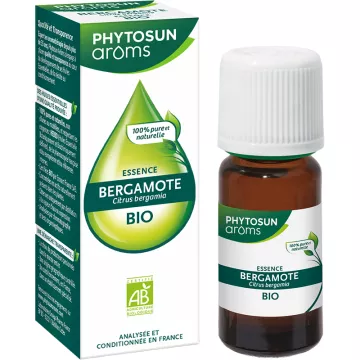
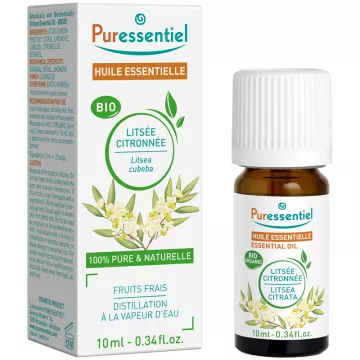
- Dilutedtea tree essential oil: has documented cleansing properties. Always dilute (maximum 1% in a carrier oil), and test on the inner elbow for 24 to 48 hours. Standard precautions: pregnancy, breastfeeding, children under 7 years of age, potential for sensitization.
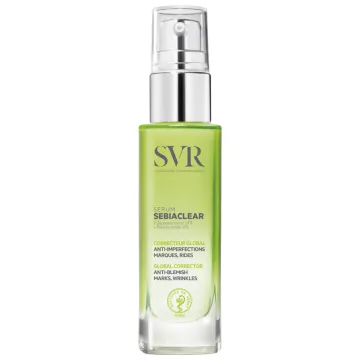
- Niacinamide (B3) in a cosmetic serum: regulates sebum, soothes redness.
- Green or white clay as an occasional mask: surface-absorbing effect.
These approaches are suitable as a complement to a gentle skincare routine. They are not a substitute for medical treatment in cases of moderate or severe acne. Pure lemon juice, which is sometimes recommended, should be avoided (due to its acidity and photosensitization caused by furocoumarins).
How can you prevent acne from developing?
A few simple steps can help limit aggravating factors:
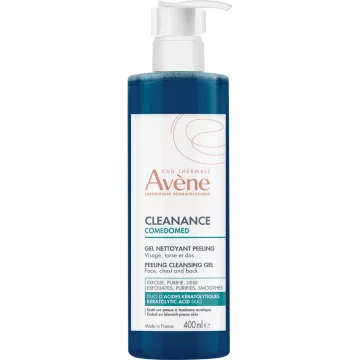
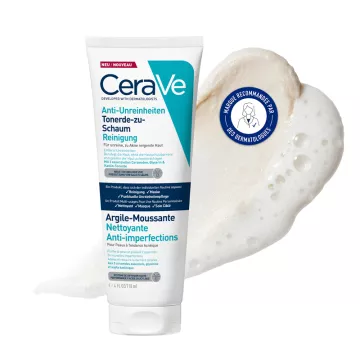
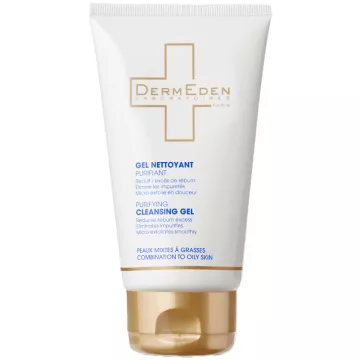
- Gently cleanse morning and night with a product suitable for combination to oily skin (syndet or a mild gel with a pH close to 5.5).
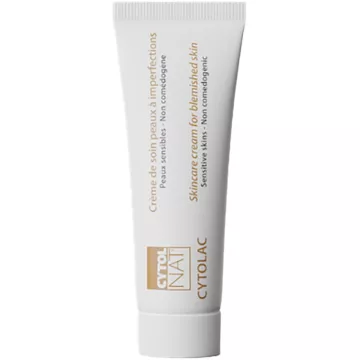
- Light, non-comedogenic moisturizer.
- Non-comedogenic cosmetics and hair care products.
- Always remove makeup if you wear it.
- Avoid touching your face frequently and squeezing pimples.
- Wash pillowcases and makeup brushes regularly.
- Appropriate sun protection (non-comedogenic mineral or organic filters).
- A varied diet: limit added sugars and dairy products depending on individual profiles (effects vary and should be assessed on a case-by-case basis).
- Stress management and quality sleep.
What impact does diet have on acne?
The link between diet and acne has been studied for several years. The data points to a few key findings:
- A high-glycemic-index diet (refined sugars, sodas, pastries, ultra-processed foods) can worsen acne in some people (due to effects on insulin levels and IGF-1).
- Dairy products (especially skim milk) have been linked to a possible worsening of acne in several studies; however, the effect is variable and debated.
- Omega-3s (fatty fish, nuts, flaxseeds) generally have a beneficial effect on systemic inflammation.
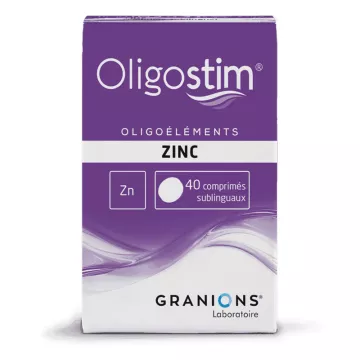
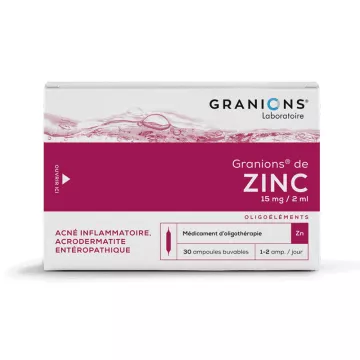
- Zinc contributes to skin health; supplementation may be considered in cases of deficiency.
The evidence remains mixed depending on individual profiles. Consulting a doctor or dietitian allows for a personalized approach, avoiding empirical elimination of foods.
What role does stress play in the development of acne?
Stress is not a direct cause of acne, but it can worsen flare-ups: the secretion of cortisol and other stress hormones can stimulate sebum production and exacerbate skin inflammation. Helpful approaches: regular physical activity, adequate sleep, breathing techniques (cardiac coherence), meditation, sophrology, and psychological counseling if the impact is significant. Acne management often includes a psychological component because the condition has a proven impact on self-esteem, particularly during adolescence.
Can cosmetics cause acne?
Yes, certain cosmetics can cause or worsen acne (cosmetic acne). The most commonly suspected ingredients are:
- Heavy mineral oils and certain highly comedogenic vegetable oils (unfractionated coconut oil, cocoa butter).
- Occlusive silicones with repeated application.
- Thick waxes, lanolin.
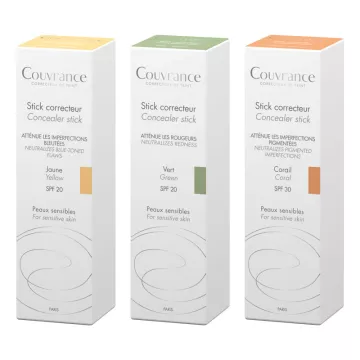
- Certain pigments in foundation applied in thick layers without proper makeup removal.
Choose products clearly labeled as non-comedogenic, dermatologically tested, and with fluid or gel textures. Always remove makeup in the evening; double-cleanse if using water-resistant SPF or long-wearing makeup. Replace brushes, sponges, and pillowcases regularly.
Can acne be permanently cured?
Acne is a chronic skin condition that occurs in flare-ups. For most people, it subsides with age (usually starting in late adolescence or in one’s twenties), but certain forms persist into adulthood, particularly in women. The goal of treatment is to achieve long-term remission and minimize scarring, rather than a definitive “cure” in the strict sense. Oral isotretinoin, used for severe forms of the condition, often leads to prolonged remissions in some patients, though there is no guarantee that the condition will not recur. Regular follow-up allows the treatment to be adjusted as the condition progresses.
How does sunlight affect acne?
Sunlight is often perceived as beneficial for acne, but the effect is nuanced:
- In the short term, moderate sun exposure can temporarily dry out lesions and mask redness (tanning).
- In the medium term, a classic rebound effect occurs: thickening of the stratum corneum, worsening of hyperkeratosis, and a resurgence of lesions in the fall.
- Sunlight accentuates acne scars and post-inflammatory hyperpigmentation (more pronounced in skin types IV through VI).
- Several acne treatments are **photosensitizing** (benzoyl peroxide, topical retinoids, oral cyclines).
- Oral isotretinoin requires strict sun protection during treatment and for several months afterward.
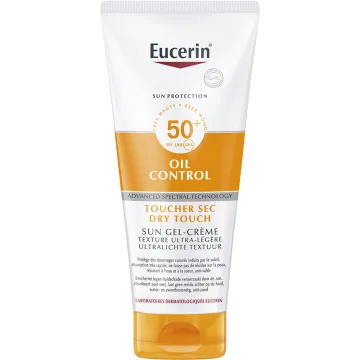
Daily use of a sunscreen with SPF 30 to 50, formulated for acne-prone skin with a lightweight, non-comedogenic texture, is recommended year-round.
Can acne leave scars, and how can they be prevented?
Yes,acne—particularly in its inflammatory and cystic forms, and when lesions are picked at—can leave lasting scars:
- Depressed scars (atrophic, known as “ice pick,” “rolling,” or “boxcar” scars).
- Hypertrophic scars or keloids (more commonly on the back and chest, in predisposed skin types).
- Post-inflammatory hyperpigmentation (more pronounced in skin types IV through VI).
- Post-inflammatory erythema (persistent redness).
Prevention: Treat acne early and in a manner appropriate to its severity; never squeeze or scratch lesions; practice strict sun protection; use soothing skincare products. Scar management (after treatment of active acne): chemical peels, non-ablative or ablative fractional lasers, microneedling, subcision, and fillers (hyaluronic acid) as indicated. These medical procedures require a dermatological or medical-aesthetic consultation to assess the risk-benefit ratio based on the patient’s profile and the type of scars.
When to seek consultation? Moderate to severe acne, deep inflammatory lesions (nodules, cysts), psychological impact, failure of basic treatments after 1 to 3 months of proper use, persistent scarring, adult acne (particularly in women with signs of hyperandrogenism: irregular periods, hirsutism, alopecia—rule out PCOS), current pregnancy. While taking isotretinoin: psychological symptoms, abdominal pain, visual disturbances—seek medical attention immediately.
Sources: HAS — acne guidelines; ANSM — proper use of isotretinoin and benzoyl peroxide, pregnancy prevention program; Inserm — acne report; French Society of Dermatology (SFD).