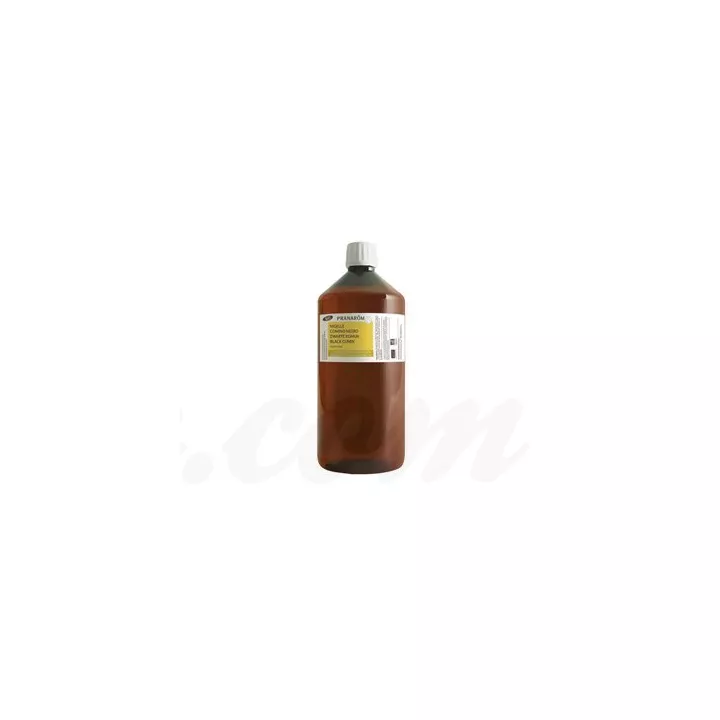
What is Pranarom black cumin vegetable oil used for?
When can you use Pranarom black cumin seed oil?
- Acne
- Eczema and psoriasis
- Shingles
- Mild hair loss
- Anti-aging protection
- Respiratory allergies
- Healthy Eating and Gastronomy
The oil of the elite in ancient Egypt, which Muhammad later said “cures everything except death.” A premium ingredient with a spicy flavor, ideal for treating more severe skin conditions such asacne, psoriasis, or shingles. Used alone or as a dermo-cosmetic ingredient. It’s also an anti-aging treasure and a godsend for those seeking a preventive anti-aging dietary supplement.
Its aromatic compounds (including thymoquinone) make it particularly potent yet very well tolerated.
This oil is prized for its skin-care properties. It is used in cosmetics for its soothing effects on skin irritations. It can be incorporated into skincare formulations to deeply moisturize, relieve itching, and promote balanced skin.
Pranarom Nigella Oil is also used in health and aromatherapy. It is taken internally, usually in capsule form, for its potential benefits for digestion and the immune system. In aromatherapy, it is diffused to create a soothing and relaxing atmosphere.
The most commonly cited uses in the literature:
- Moisturizing for all skin types
- UV sun protection (limited)
- Protection against environmental aggressors and skin aging
- Regulation of sebum production for oily skin
- Antibacterial and anti-inflammatory for the skin
Tip: For damaged hands, massage 2 to 3 drops of our Black Cumin Seed Oil into your hands after each wash. It absorbs quickly, leaving your hands silky smooth, so you can massage them several times throughout the day. Be sure to keep this precious elixir out of reach of young children and away from heat and light.
Give your skin and hair the care they deserve with our Black Cumin Vegetable Oil. Order now and discover the secret to radiant natural beauty.
We also offerhazelnut vegetable oil from Pranarom, a laboratory specializing in aromatherapy, at the best price in our online pharmacy.
How to use this vegetable oil?
- Oral use: 10 g (1 tablespoon) per day.
- Cosmetic use: Suitable for dry, irritated, or chapped skin. Use for hair loss (massage into the scalp).
For oily hair:
Once or twice a week, massage 1 to 3 tablespoons of black cumin oil into clean, damp hair. Focus on the scalp. Leave it on under a warm towel for at least one hour, or up to an entire night. Rinse with a mild shampoo. Hair will become less oily after 2 or 3 treatments. For faster results or in cases of very oily hair, add essential oils to the black cumin oil. Use 2 drops of tea tree essential oil and 2 drops of rosemary verbenone essential oil per massage (not recommended for children under 6; not suitable for pregnant or breastfeeding women).
What are the precautions for use?
- Do not exceed the recommended dose
- Keep out of reach of young children
- Not a substitute for a varied and balanced diet and a healthy lifestyle
- Store away from heat and light
FAQ: Your Questions, Our Answers
How long does it take to feel the benefits of black cumin oil?
The effects on the skin and hair are visible after a few days of regular use. To boost immunity, a 3-week course of treatment is recommended.
Can I use this oil on my face if I have oily skin?
Yes, despite its oily texture, it regulates sebum production and helps prevent breakouts without clogging pores.
Does black cumin oil help reduce hair loss?
Yes, thanks to its fortifying and stimulating properties, it strengthens the roots and helps prevent hair loss.
Can this oil be taken daily?
Yes, but it’s recommended not to exceed 1 teaspoon per day to avoid any adverse effects.
Are there any contraindications for long-term use?
Black cumin oil is generally well tolerated, but excessive consumption may cause digestive issues. If in doubt, consult a healthcare professional.
What is the composition?
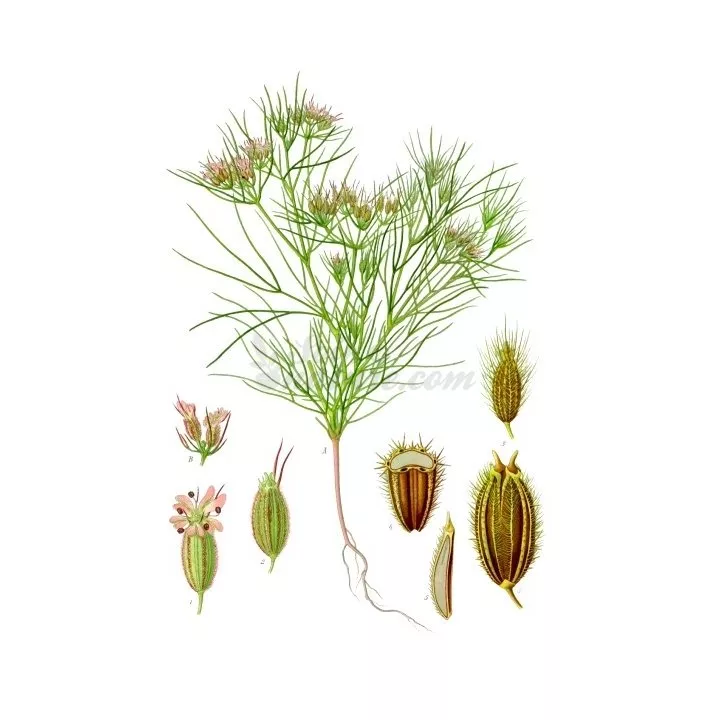
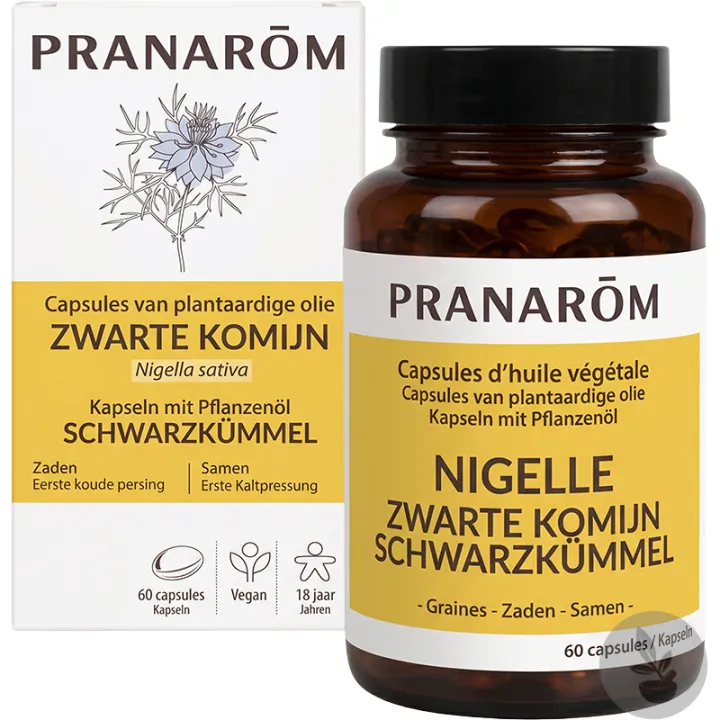
100% vegetable oil from: Organic Black Cumin (Nigella sativa)
Other names: Black cumin, Nigella, Kalinji, Nielle, Poivrette, al-sânoudj in Algeria, habat al-baraka (the blessed seed) in Egypt, al-kamoun in Libya, al-qahta in Yemen, al-shounîz in Iran.
Organic means: ingredient sourced from organic farming (Certisys-BE-BIO-01 certified).