What is seasonal allergy, and why does it occur?
Seasonal allergies are an exaggerated immune response to airborne allergens—primarily plant pollen—that occur during specific times of the year corresponding to pollination. The immune systems of sensitized individuals mistakenly identify these particles as pathogens and trigger an IgE-mediated inflammatory cascade: mast cells release histamine and other mediators that cause the full range of symptoms. It affects 20 to 30% of the French population, and its prevalence is increasing in connection with air pollution and climate change (a longer pollen season). Natural products for allergies are available in the store.
- Main symptoms: nasal congestion, sneezing fits, clear nasal discharge, itching of the nose, eyes, and soft palate, watery eyes, cough—see allergic rhinitis for a detailed explanation of the mechanism and hay fever for the pollen calendar
- Seasonal vs. perennial allergies: seasonal (pollen—symptoms limited to specific periods)—perennial (dust mites, animal dander, mold—symptoms present year-round)—mixed (sensitization to both)—a seasonal allergy may progress to a perennial allergy over time (widening of sensitizations)
- Air pollution: Fine particles (PM2.5, diesel) irritate the mucous membranes and lower the threshold for allergic reactions—they attach to pollen grains and break them down into ultrafine particles that penetrate even deeper into the respiratory tract — Pollution spikes consistently worsen symptoms in people with allergies — monitor both air quality indices (Atmo France) and pollen reports (RNSA)
- Changes over time: Seasonal allergies are not static — some people develop new sensitivities as they age (ragweed pollen sensitivities emerging after years of grass pollen rhinitis) — Moving to a new region can trigger or reduce symptoms depending on the plant species present — Spontaneous remission is possible but unpredictable
How are seasonal allergies diagnosed and treated?
The diagnosis is based on the consistency between symptoms, the seasonal context, and laboratory confirmation. Prick tests (skin tests) are the gold standard—a positive reaction (a wheal ≥ 3 mm at 15 minutes) confirms sensitization. Specific serum IgE levels are used to supplement the evaluation when prick tests are not feasible. The physician or allergist then establishes a treatment plan tailored to the severity of the condition (ARIA classification).
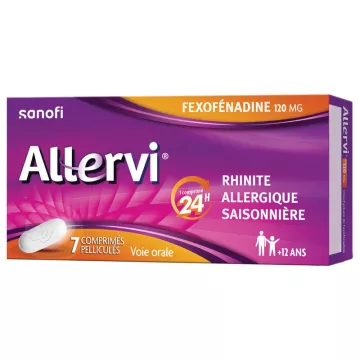
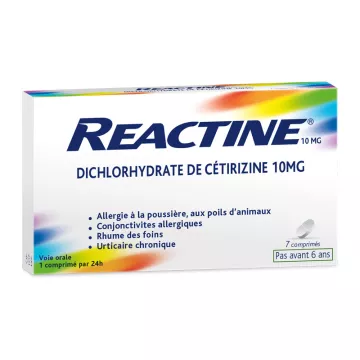
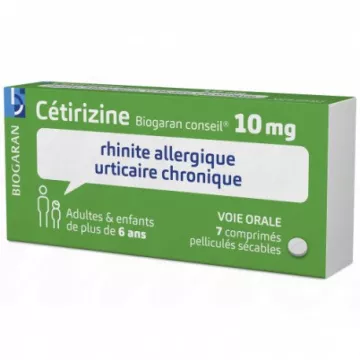
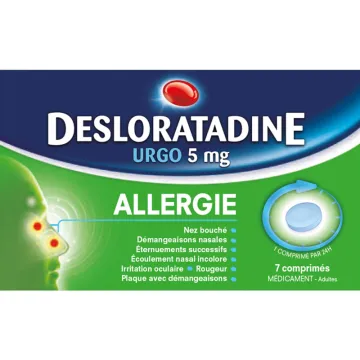
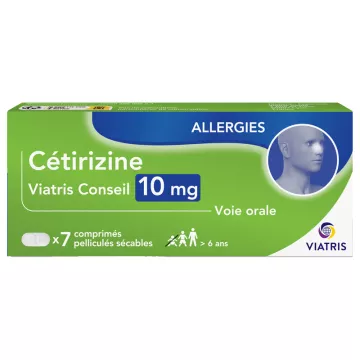
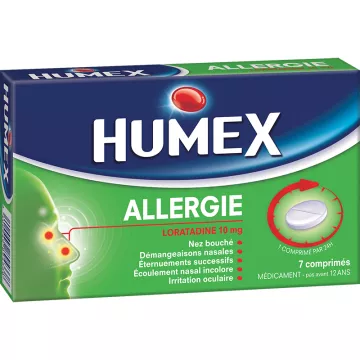
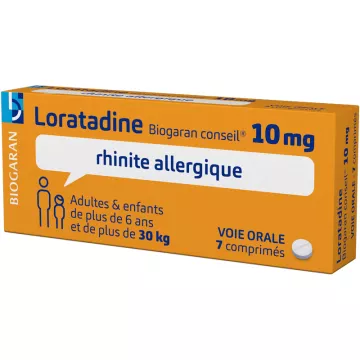
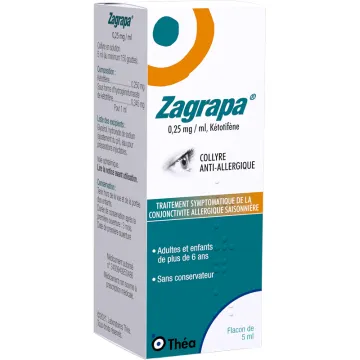
- Second-generation antihistamines: cetirizine, loratadine, bilastine—non-sedating—rapid relief from itching and sneezing—less effective for nasal congestion—should be taken 30 to 60 minutes before exposure or continuously throughout the season
- Nasal corticosteroids: fluticasone, mometasone — standard of care for persistent forms — effective against all symptoms, including nasal congestion — start 2 weeks before the identified pollen season for maximum effectiveness — proven long-term safety
- Allergen immunotherapy: the only treatment that permanently modifies the immune response — subcutaneous (monthly injections) or sublingual (daily tablets or drops) — duration: 3 to 5 years — reduces symptom severity, decreases the need for medication, and prevents progression toallergic asthma
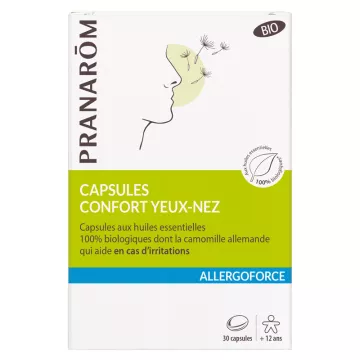
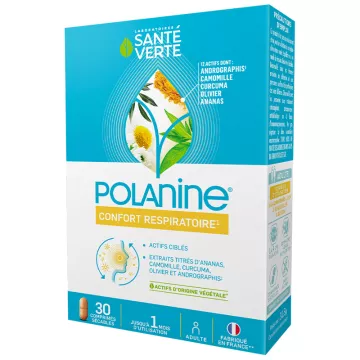
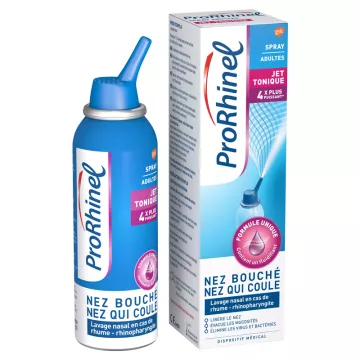
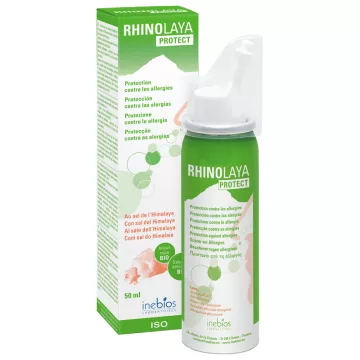
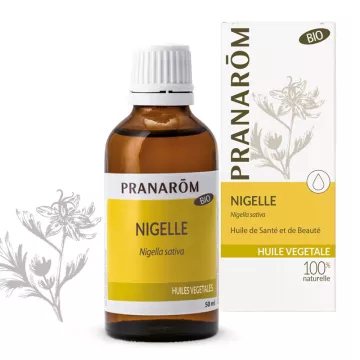
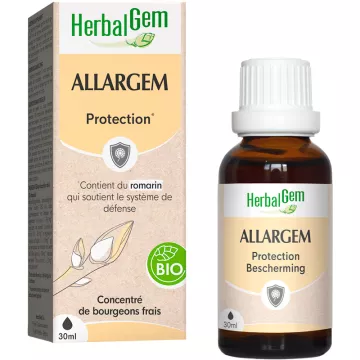
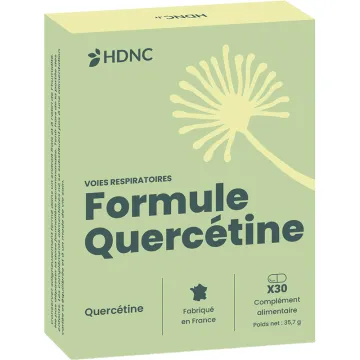
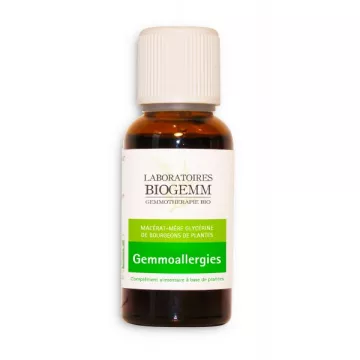
- Complementary natural remedies: nasal rinsing with saline solution (mechanically removes pollen from the mucous membranes—an essential basic practice)—black cumin (documented antihistamine properties)—quercetin (stabilizes mast cells) — vitamin C (reduces histamine release) — probiotics (restores Th1/Th2 balance)
Environmental management, sleep, and mental health
The indoor environment can become either a refuge or an additional source of exposure, depending on how it’s managed. An air purifier with a HEPA filter in the bedroom captures pollen that seeps in. Avoid hanging laundry outside during pollen season, keep windows closed during peak pollen hours (10 a.m.–1 p.m.), and shower and wash your hair when you get home—these measures significantly reduce indoor allergen levels.
- Seasonal allergies and sleep quality: Nighttime nasal congestion leads to mouth breathing, snoring, and frequent micro-awakenings—sleep deprivation worsens sensitivity to allergens and weakens the immune response—use nasal corticosteroids in the evening before bed, sleep in a semi-upright position or with a raised pillow, dust mite-proof pillowcases (frequent cross-sensitization)—a poor night’s sleep amplifies the perception of all allergic symptoms the next day
- Impact on mental health: uncontrolled or poorly controlled seasonal allergies can lead to chronic fatigue, difficulty concentrating, irritability, and contribute to anxiety or depression—first-generation antihistamines (chlorpheniramine, promethazine) worsen daytime drowsiness and can themselves affect mood — always opt for non-sedating second-generation antihistamines — recognizing and treating psychological repercussions is part of comprehensive management
- Seasonal allergies and sinusitis: allergic inflammation of the nasal mucosa obstructs the sinus ostia and promotes recurrent sinusitis—treating the underlying allergy is the best prevention for allergic sinusitis—regular nasal irrigation plus nasal corticosteroids reduce the risk of secondary sinus infection