NOTICE
ANSM - Updated on : 18/09/2024
Product name
ZAGRAPA 0.25 mg/ml, eye drops solution
Ketotifen
Sidebar
Please read this leaflet carefully before using this medicine, as it contains important information for you.
Always use this medicine exactly as it is described in this leaflet or by your doctor, pharmacist or nurse.
- Keep this leaflet. You may need to read it again.
- Ask your pharmacist for advice and information.
- If you experience any side effects, talk to your doctor, pharmacist or nurse. This also applies to any side effects not mentioned in this leaflet. See section 4.
- You should contact your doctor if you do not feel better or feel worse after 7 days (see section 2).
What does this leaflet contain?
1. What is ZAGRAPA 0.25 mg/ml, eye drops solution and what is it used for?
2. What do I need to know before using ZAGRAPA 0.25 mg/ml, eye drops solution ?
3. How should ZAGRAPA 0.25 mg/ml eye drops be used?
4. What are the possible side effects?
5. How should ZAGRAPA 0.25 mg/ml eye drops be stored?
6. Package contents and other information.
1. WHAT IS ZAGRAPA 0.25 mg/ml, eye drops solution AND WHAT IS IT USED FOR?
Pharmacotherapeutic class: Ophthalmological agents, other anti-allergic agents - ATC code: S01GX08
ZAGRAPA is a preservative-free eye drop solution containing the anti-allergic active substance ketotifen.
ZAGRAPA is indicated in adults and children aged 6 and over for the symptomatic treatment of seasonal allergic conjunctivitis.
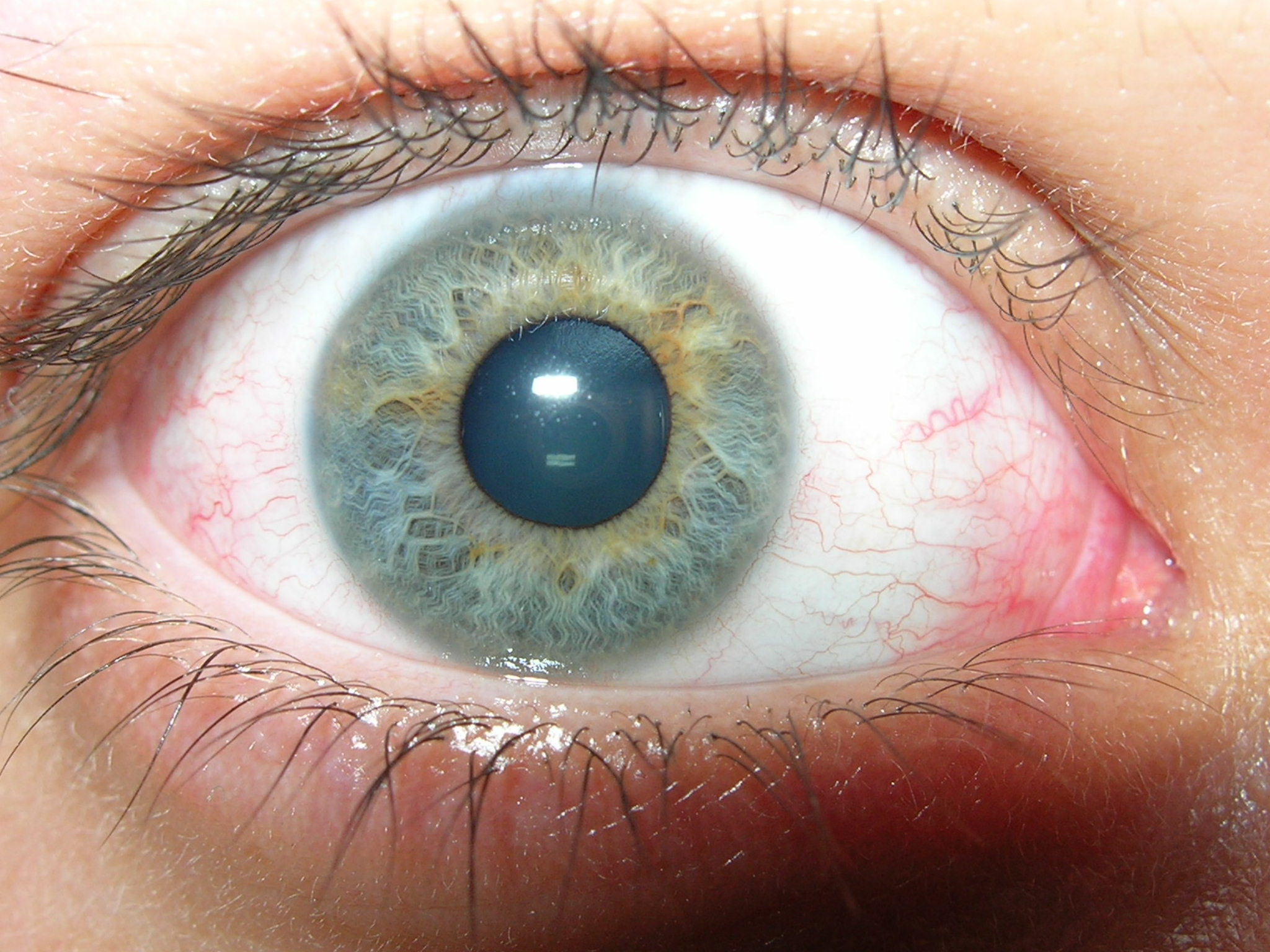
The most common symptoms of seasonal allergic conjunctivitis are intense itching of both eyes associated with redness, swelling, excessive tearing, conjunctival swelling (chemosis) and sensitivity to light. Symptoms are recurrent and triggered by the onset of the pollen season. Seasonal allergic conjunctivitis may also be associated with other hay fever symptoms, such as rhinitis.
You should consult your doctor if you do not feel any improvement or if you feel less well after 7 days of treatment (see section 2).
2. WHAT DO I HAVE TO KNOW BEFORE USING ZAGRAPA 0.25 mg/ml, eye drops solution?
Never use ZAGRAPA 0.25 mg/ml, eye drops solution:
- if you are allergic to ketotifen or any of the other ingredients listed in section 6.
Warnings and precautions
Talk to your doctor, pharmacist or nurse before using ZAGRAPA 0.25 mg/ml, eye drops solution.
Do not exceed the recommended dosage.
If symptoms do not improve or persist beyond 7 days, seek medical advice.
The following signs and symptoms are not common in allergic conjunctivitis:
- purulent discharge,
- visual disturbances,
- morning crusting, difficulty opening eyelids in the morning,
- swollen lymph nodes near the ears,
- persistent symptoms,
- unilateral symptoms.
If you experience any of these signs or symptoms, you may have an eye condition other than allergic conjunctivitis. In this case, you should seek medical advice.
Children
For children aged 3 to 6, medical advice is required.
Other medicines and ZAGRAPA 0.25 mg/ml, eye drops solution
If you need to use another eye drop at the same time as ZAGRAPA, wait at least 5 minutes between instillations.
Inform your doctor or pharmacist if you are taking, have recently taken or may take any other medication.
This is particularly important if you are taking medications used to treat :
- depression, anxiety and sleep disorders,
- allergies (e.g. antihistamines).
ZAGRAPA 0.25 mg/ml, eye drops with food, drink and alcohol
ZAGRAPA may increase the effects of alcohol.
Pregnancy and breast-feeding
Pregnancy
ZAGRAPA should not be used during pregnancy.
If you are pregnant, think you may be pregnant or are planning to become pregnant, ask your doctor or pharmacist for advice before using this medicine.
Breast-feeding
ZAGRAPA may be used during breast-feeding.
Driving vehicles and operating machinery
If you experience blurred vision or drowsiness after using ZAGRAPA, you should wait until these symptoms have disappeared before driving a vehicle or operating machinery.
ZAGRAPA 0.25 mg/ml, eye drops solution contains
Not applicable.
3. HOW SHOULD ZAGRAPA 0.25 mg/ml eye drops be used?
Always use this medicine exactly as instructed in this leaflet or as directed by your doctor, pharmacist or nurse. Check with your doctor, pharmacist or nurse if in doubt.
Dosage
Adults, seniors and children aged 6 and over: The recommended dose is one drop in the affected eye(s) twice a day (morning and evening).
For children aged 3 to 6, medical advice is required.
Do not exceed the recommended dose.
Method of administration
Do not inject or swallow.
This drug is to be administered into the eye (ophthalmic route).
Before first use, remove the first 5 drops.
And then, each time you use this medicine:
Wash your hands thoroughly before use.
To avoid contamination of the drops, do not touch the tip of the bottle to your ear, eyelids or any other surface.
Place one drop in the eye(s), looking upwards and pulling the lower eyelid slightly downwards.
Close the eyelid and press gently on the inside of the eye with your index finger for 1-2 minutes. This will help prevent the medication from spreading to the rest of your body.
Recap the bottle after use.
If you find that the effects of ZAGRAPA are too strong or too weak, or if you experience any unexpected side effects, please tell your doctor or pharmacist.
Duration of treatment
Do not prolong treatment beyond 7 days without medical advice: if symptoms persist or do not improve, seek medical advice.
If you have used more ZAGRAPA 0.25 mg/ml, eye drops solution than you should have
There is no risk if you accidentally swallow a few drops of ZAGRAPA. Similarly, don't worry if you accidentally instilled more than a drop into your eye.
If you forget to use ZAGRAPA 0.25 mg/ml, eye drops solution
Instill one drop as soon as possible, then return to normal dosage. Make sure the drop falls well into the eye. Do not instill a double dose to make up for the one you have missed.
If you stop using ZAGRAPA 0.25 mg/ml, eye drops solution
Not applicable.
If you have any further questions about the use of this medicine, please ask your doctor or pharmacist.
4. WHAT ARE THE POSSIBLE SIDE EFFECTS?
Like all medicines, this product may cause undesirable effects, but they do not occur systematically in everyone.
If you experience allergic reactions, including rash, swelling of the face, lips, tongue and/or throat, which may cause difficulty in breathing or swallowing, or other serious side effects, you should stop taking ZAGRAPA and contact your doctor or nearest hospital emergency department immediately.
The following ocular side effects have been described:
Common (affecting less than 1 in 10 patients):
- eye irritation or pain,
- inflammation of the eye.
Uncommon (affecting less than 1 in 100 patients):
- blurred vision,
- dry eyes,
- eyelid irritation,
- conjunctivitis (inflammation of the surface of the eye),
- increased sensitivity of the eyes to light,
- visible bleeding in the white of the eye,
- headaches,
- drowsiness,
- skin rash (possibly itchy),
- eczema (rash with redness, itching and burning),
- dry mouth,
Undetermined frequency (cannot be estimated on the basis of available data)
- allergic reaction (including swelling of the face and eyelids) and aggravation of existing allergic conditions such as asthma and eczema,
- dizziness.
Reporting side effects
If you experience any side effects, please tell your doctor or pharmacist. This also applies to any side effects not mentioned in this leaflet. You can also report adverse reactions directly via the national reporting system: Agence nationale de sécurité du médicament et des produits de santé (ANSM) and the network of Centres Régionaux de Pharmacovigilance - Website: https://signalement.social-sante.gouv.fr/.
By reporting adverse reactions, you contribute to providing further information on drug safety.
Adverse reactions can also be reported to the MA holder.
5. HOW TO CONSERVE ZAGRAPA 0.25 mg/ml, eye drops solution?
Keep out of sight and reach of children.
Do not use this medicine after the expiration date indicated on the box or bottle after EXP. The expiration date refers to the last day of that month.
ZAGRAPA can be used up to 3 months after first opening.
Note the date of first opening on the box.
Do not dispose of any medicine by pouring it down the drain or throwing it away with your household garbage. Ask your pharmacist to identify any medicines you no longer use. These measures will help protect the environment.
6. CONTENTS AND OTHER INFORMATION
What ZAGRAPA 0.25 mg/ml eye drops solution contains
- The active substance is :
Ketotifen....................................................................................................................................0,250 mg
In the form of ketotifen hydrogen fumarate.........................................................................0,345 mg
For 1 ml
- Other components are :
Glycerol, sodium hydroxide (pH adjustment), water for injection.
What ZAGRAPA 0.25 mg/ml eye drops solution is and what it contains
ZAGRAPA is an eye drop solution packaged in 5 ml multi-dose bottles (minimum 150 drops, preservative-free). The liquid is colorless to slightly brown/yellow.
Marketing authorization holder
LABORATOIRES THEA
12 RUE LOUIS BLERIOT
63017 CLERMONT FERRAND CEDEX 2
Marketing authorization holder
THEA PHARMA
37 RUE GEORGES BESSE
63100 CLERMONT-FERRAND
Manufacturer
EXCELVISION
RUE DE LA LOMBARDIERE
07100 ANNONAY
or
LABORATOIRES THEA
12, RUE LOUIS BLERIOT
63017 CLERMONT FERRAND CEDEX 2
or
FARMILA-THEA FARMACEUTICI S.P.A :
VIA E. FERMI, 50
20019 SETTIMO MILANESE (MI)
ITALY
Product names in member states of the European Economic Area
This product is authorized in the member states of the European Economic Area under the following names: In accordance with current regulations.
[To be completed subsequently by the holder].
The last date on which this leaflet was revised was :
[to be completed at a later date by the registrant]
Other
Detailed information on this drug is available on the ANSM (France) website.
HEALTH ADVICE/EDUCATION
a) What is allergy and what is an allergic reaction?
Allergy is an excessive reaction by the body to substances it considers harmful, known as allergens. Allergens are the factors and substances that trigger allergy and the associated disorders.
When the body comes into repeated contact with an allergen, an allergic reaction is triggered.
The allergic reaction refers to the set of symptoms that appear minutes or hours after exposure to allergens. These allergens may come from plants, animal hair, food, dust mites, molds or substances of occupational origin.
This allergic reaction causes the body to release substances such as histamine, which are responsible for the symptoms experienced.
As with any illness of an allergic nature, it's important to consult a doctor at least once. He or she will determine the need for an allergy test.
b) How to recognize allergic conjunctivitis
Redness of the eye and inner eyelids, accompanied by itching, swelling and watering of the eye, are the signs of allergic conjunctivitis.
This condition often accompanies allergic rhinitis (sneezing, runny nose, blocked nose), as they are triggered by the same allergens (pollen, dust mites, animal hair, etc.).
c) Some practical advice
- Don't rub your eyes, even if they're itchy, because after temporary relief, rubbing can only make the situation worse.
- Gently rinse your eyes with clean water or a sterile eyewash solution to remove the pollen and relieve the itch.
- Remove make-up temporarily. Healing of the conjunctivitis, or its reappearance on reapplication, may help to identify the substance responsible. The presence of an ocular allergy should prompt you to be vigilant in your choice of cosmetics.
- If you wear contact lenses, it's best to remove them for the duration of the eye drop treatment.
d) In the event of acute eye pain, a sensation of reduced vision or visual blur, consult your doctor.
e) Preventing recurrences
- Eliminating the allergen (eviction) is the best way to eliminate or reduce allergy symptoms.
- For household allergens, it is essential to take measures to reduce the presence of allergens:
- Mattresses and pillows should be completely encased in anti-dust mite plastic covers. The bed base, unless it is made of slats or metal, should be encased in plastic. All bedding should be washed twice a month at 60°C if possible.
- The bedroom should be regularly aired and cleaned.
- On the floor, avoid bedspreads and carpets.
- Avoid approaching pets.
- During the pollen season, you can reduce your exposure to pollens:
- In your garden, diversify your plantings, avoiding the most allergenic species (cypress, cedar, birch).
- Avoid mowing the lawn yourself during the pollen season.
- Garden preferably with protective goggles and mask.




 Driver: instillation of this eye drop may cause transient visual discomfort.