What is sinusitis, and how can you recognize it?
Sinusitis is an inflammation of the paranasal sinuses—the air-filled cavities in the bones of the skull (maxillary sinuses under the cheeks, frontal sinuses above the eyes, ethmoid sinuses between the eyes, and sphenoid sinuses behind the nose). It differs from simple rhinitis in that it involves localized facial pain in addition to nasal symptoms. Natural products for winter ailments and respiratory conditions are available in the store.
- Acute sinusitis: duration < 4 weeks—most often viral (following a cold)—yellow-green mucopurulent nasal discharge persisting beyond 10 days, along with fever and facial pain, suggests a bacterial superinfection—maxillary sinusitis (pain under the eye, unilateral) is most common in adults—ethmoid sinusitis (pain between the eyes) is more common in children
- Chronic sinusitis: duration > 12 weeks — often multifactorial (allergies, polyps, deviated septum, recurrent infections) — persistent nasal congestion, hyposmia, chronic postnasal drip, nocturnal cough due to postnasal drip — significantly impaired quality of life (fatigue, sleep disturbances)
- Characteristic symptoms: facial pain (under the eyes, on the forehead, between the eyes) that worsens when bending forward or blowing one’s nose — nasal congestion — mucopurulent rhinorrhea — hyposmia (diminished sense of smell) — headaches — fever (bacterial forms)
- Main causes: viral infection following a cold (most common cause—90% of acute sinusitis cases) — bacterial infection (Streptococcus pneumoniae, Haemophilus influenzae) — allergic rhinitis (inflammation of the sinus mucosa) — nasal polyps — deviated nasal septum — irritants (tobacco, pollution)
How can sinusitis be effectively treated and relieved?
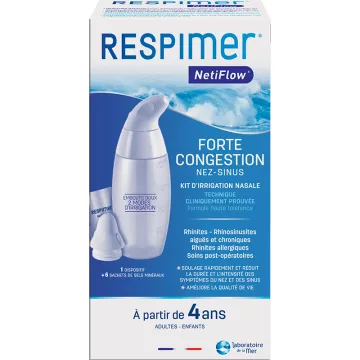
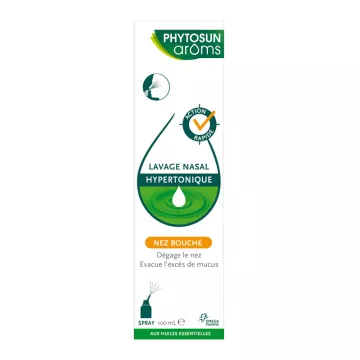
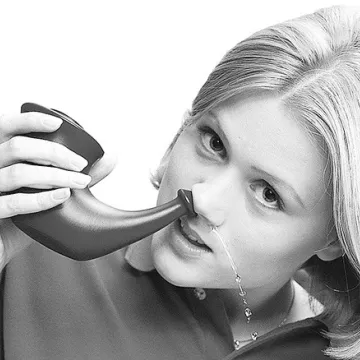
Acute viral sinusitis resolves on its own within 10 to 14 days without antibiotics. Antibiotics are indicated only if the criteria for a bacterial superinfection are met (fever > 38.5 °C, severe unilateral facial pain, persistent purulent nasal discharge lasting > 10 days, or worsening of symptoms after initial improvement). Nasal irrigation with saline solution or seawater remains the first-line treatment—it clears the sinus ostia (sinus drainage openings) and facilitates healing.
- Medications as indicated: nasal corticosteroids (fluticasone, mometasone—maintenance therapy for chronic sinusitis and acute sinusitis with an allergic component)—nasal decongestants (max 5 to 7 days—temporarily open the ostia)—acetaminophen or ibuprofen (facial pain and fever) — antibiotics only when bacterial infection is confirmed (amoxicillin-clavulanic acid as first-line treatment)
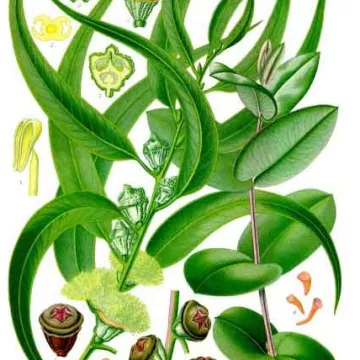
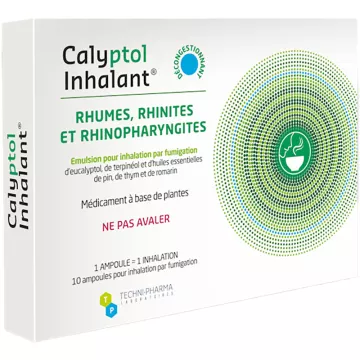
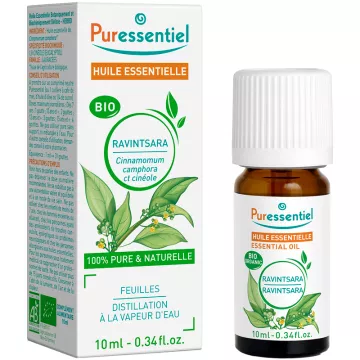
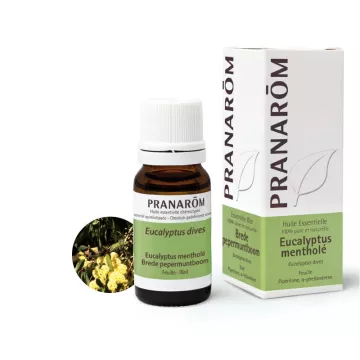
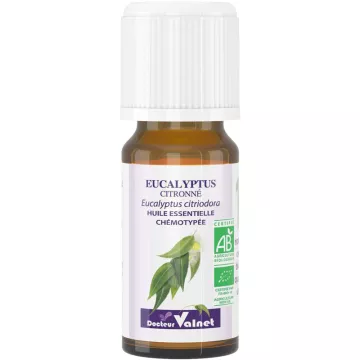
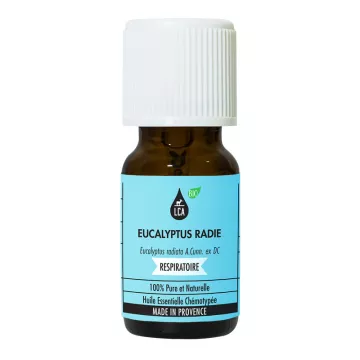
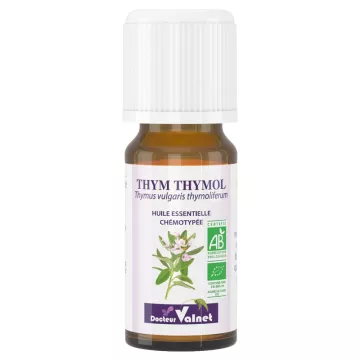
- Complementary natural remedies: eucalyptus inhalation (cineole—decongestant and anti-inflammatory for the sinus mucosa)—warm compresses on the face (pain relief through local vasodilation) — honey and thyme herbal tea (soothes the upper respiratory tract) — propolis nasal spray (natural antibacterial) — vitamin C and zinc (immune support)
- Hydration and steam: drink 1.5 to 2 L/day (water, hot herbal teas) — steam inhalations for 10 minutes 2 to 3 times a day — maintain indoor humidity at 40–60% — dry air from heating thickens sinus secretions and impedes their drainage
- Sinus surgery: indicated for chronic sinusitis resistant to medical treatment — functional endoscopic sinus surgery (FESS) — enlargement of the ostia to restore drainage — effective for nasal polyps and recurrent sinusitis
How to prevent sinusitis and when to seek medical attention?
Preventing sinusitis begins with preventing respiratory infections (handwashing, infection control measures) and treating any underlying allergic rhinitis, if present. Daily nasal hygiene (rinsing with saline solution) keeps the sinuses clear and reduces the risk of blockage. Quitting smoking is essential—smoke paralyzes the bronchial and sinus cilia that ensure mucociliary drainage.
- Practical prevention: daily nasal irrigation — treatment of allergic rhinitis (nasal corticosteroids + antihistamines) — quitting smoking — humidifying indoor air — avoiding chlorinated swimming pools in cases of active sinusitis (chlorine irritates the mucous membranes) — treat a cold promptly to prevent it from spreading to the sinuses
- Signs requiring immediate medical attention: persistent fever > 38.5 °C — severe unilateral facial pain unresponsive to pain relievers — swelling or redness around the eye (orbital cellulitis — emergency) — blurred or double vision — stiff neck — very severe headaches (meningitis must be ruled out) — persistent unilateral symptoms (polyps or tumors should be investigated)
- Chronic sinusitis and quality of life: persistent hyposmia, chronic fatigue, snoring, nocturnal cough — a patient who does not respond to 6 weeks of medical treatment should be referred for an ENT consultation with nasal endoscopy and a sinus CT scan — surgery can significantly improve quality of life in severe cases