





Psoriasis is a chronic inflammatory skin disease of autoimmune origin, characterized by abnormally accelerated cell turnover in the epidermis: while a normal cycle lasts about 28 days, it is reduced to 3–5 days in an affected person, causing dead cells to accumulate in thick, scaly patches. This dysregulation involves excessive activation of T lymphocytes via the Th17, IL-17, and IL-23 pathways, which are now well characterized and form the basis of the most recent biologic treatments. Certain topical regimens combine vitamin D3 derivatives (calcipotriol, calcitriol) with a corticosteroid, available by prescription, to slow this excessive cell proliferation.
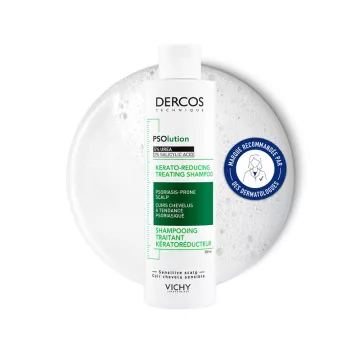
Psoriasis and eczema are often confused because both cause red patches, but their underlying mechanisms differ fundamentally. Eczema results from a compromised skin barrier with a strong allergic component, whereas psoriasis stems from an autoimmune-driven overactivation of cell turnover, unrelated to any allergy. Psoriasis plaques are generally well-defined, covered with thick, whitish scales that flake off easily, an appearance thatsalicylic acid helps soften and loosen in preparation for topical treatment, unlike eczema, which oozes more during its acute phase.
Plaque psoriasis (psoriasis vulgaris) is the most common form, primarily affecting the elbows, knees, scalp, and lower back. Guttate psoriasis, more common in children and young adults, presents as small, scattered lesions, sometimes triggered by a streptococcal upper respiratory tract infection. More severe forms exist: pustular psoriasis and erythrodermic psoriasis, which affect a large area of the body and require prompt specialized care due to the risk of dehydration and infectious complications. Turmeric is sometimes cited in herbal medicine as an adjunct anti-inflammatory support, though it is not a substitute for medical treatment of these severe forms.
Psoriasis flare-ups are triggered by several well-identified factors: psychological stress, certain infections (particularly streptococcal infections), repeated skin trauma (the Koebner phenomenon, where a minor injury triggers a new plaque at the same site), smoking, alcohol, and certain medications (beta-blockers, lithium, antimalarials). Identifying one’s own triggers—often through regular monitoring of flare-ups—helps to better anticipate and reduce their frequency over time.
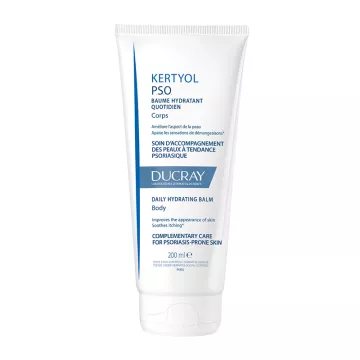
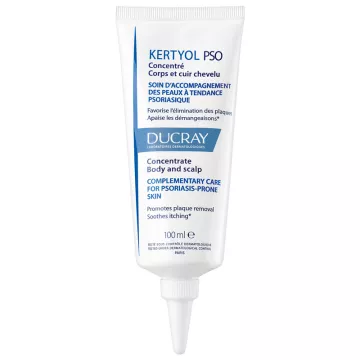
Topical treatments remain the cornerstone of care for limited forms of the disease: topical corticosteroids alone or in a fixed combination with a vitamin D derivative (medications such as Daivobet or Enstilar), always by prescription and according to a specific application regimen to avoid the adverse effects of prolonged use. In addition, daily use of aRhealba oat-based emollient helps reduce dryness and discomfort between applications of active treatment, without ever replacing it.
When topical treatments are no longer sufficient or the affected area is too extensive, narrow-band UVB phototherapy (311 nm), performed in a specialized setting, is an effective second-line option; natural sun exposure must never replace this supervised protocol, and sunscreen remains necessary on untreated areas. Beyond that, conventional systemic treatments (methotrexate, cyclosporine, acitretin) and modern biologics (anti-TNF, anti-IL-17, anti-IL-23, apremilast, deucravacitinib) are reserved for specialized prescription, with strict monitoring of laboratory tests and infectious complications, particularly due to the teratogenic nature of several of these compounds.
Psoriasis is not solely a skin disease: it is associated with an increased risk of psoriatic arthritis, an inflammatory joint condition similar to spondyloarthritis, which warrants an early consultation with a rheumatologist in cases of associated joint pain. Cardiovascular risk, metabolic syndrome, chronic inflammatory bowel diseases, and a higher prevalence of depression have also been documented, which justifies regular screening beyond dermatological follow-up alone.
A consistent daily routine—combining regular moisturizing, stress management, and a healthy lifestyle—helps reduce the frequency of flare-ups. Magnesium supports normal nervous system function and can complement daily stress management efforts, in addition to prescribed treatments. Avoiding scratching or forcibly removing scales helps limit the risk of new lesions caused by the Koebner phenomenon, and regular dermatological follow-up allows treatment to be adjusted as the disease progresses over time.