Stress is the body’s adaptive physiological response to a situation perceived as threatening or demanding. It activates the sympathetic nervous system and triggers the release of cortisol and adrenaline—the well-known “fight-or-flight” response—to prepare the body to act quickly. This reaction is beneficial in the short term, but becomes harmful when it persists without sufficient recovery time. Stress manifests itself in three ways:
The triggers of stress are numerous and unique to each individual: work overload and deadline pressures in a professional setting, family or relationship conflicts, health issues, as well as environmental factors such as excessive noise or urban noise pollution. Chronic stress—when this activation persists without respite—has documented effects on numerous systems:
Several behavioral strategies have been shown to be effective in reducing stress. Deep breathing and cardiac coherence (5 breaths per minute for 5 minutes) provide rapid relief in acute stress situations by activating the vagus nerve. Regular physical activity—brisk walking, jogging, swimming, cycling, or yoga—stimulates the production of endorphins and sustainably reduces cortisol levels. Mindfulness meditation, when practiced regularly, strengthens prefrontal control over emotional reactions and reduces activity in the amygdala, with measurable effects after 8 weeks of practice.
Time management also plays a key role: prioritizing tasks, delegating what can be delegated, and setting realistic boundaries reduce the overall mental load. Social support—talking with loved ones, colleagues, or a healthcare professional—helps you step back and put stressful situations into perspective. Finally, quality sleep (7 to 9 hours per night, at regular times) is essential: sleep deprivation directly raises perceived cortisol levels and reduces the body’s ability to manage the next day’s stressors.
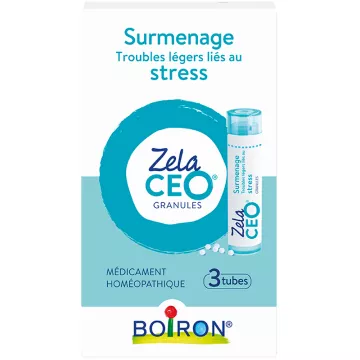
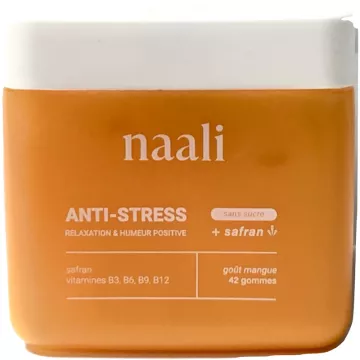
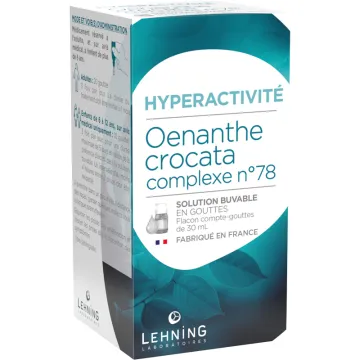
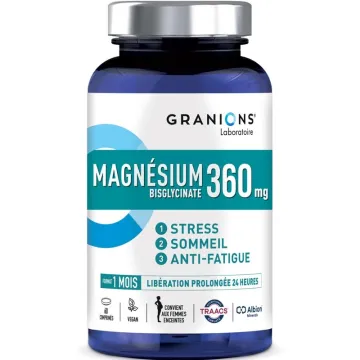
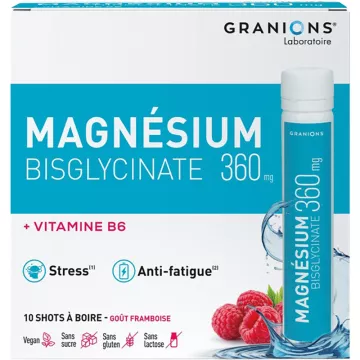
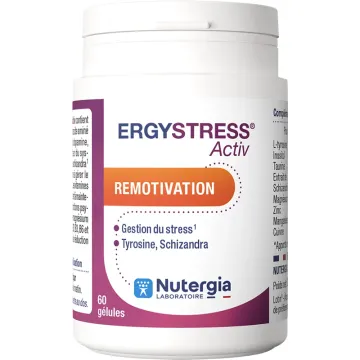
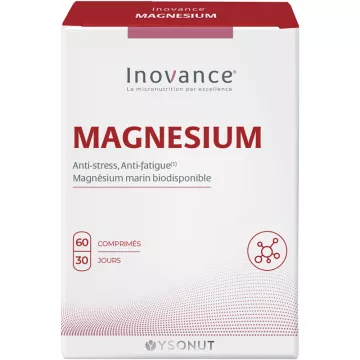
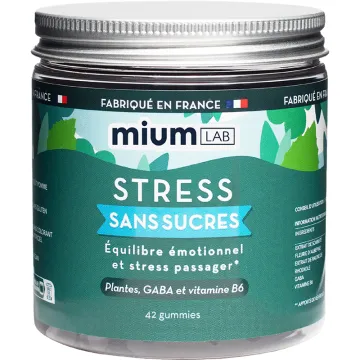
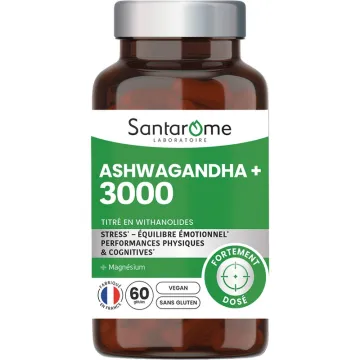
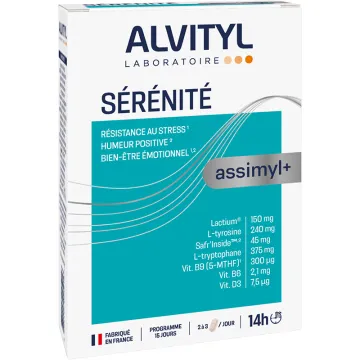
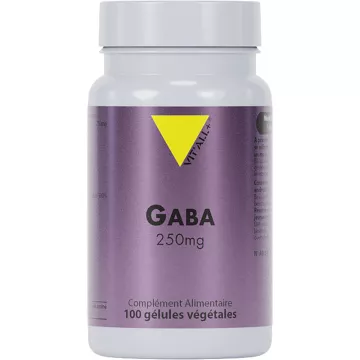
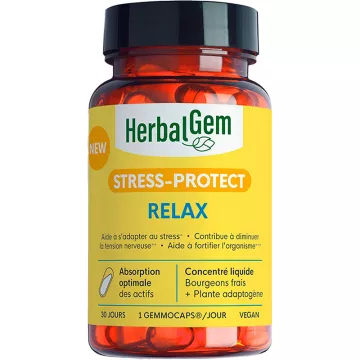
Magnesium bisglycinate (300 mg/day) is the first-line supplement: as a cofactor in over 300 enzymatic reactions, it directly regulates the cortisol response and reduces neuromuscular hyperexcitability. A magnesium deficiency—which is extremely common in situations of chronic stress—perpetuates a vicious cycle: stress depletes magnesium, and the resulting magnesium deficiency, in turn, amplifies the stress response. Rhodiola (an adaptogen—standardized for rosavins and salidroside) improves physical and mental resilience to stress, reduces cognitive fatigue, and restores motivation—to be taken in the morning; contraindicated in cases of bipolar disorder or agitation.
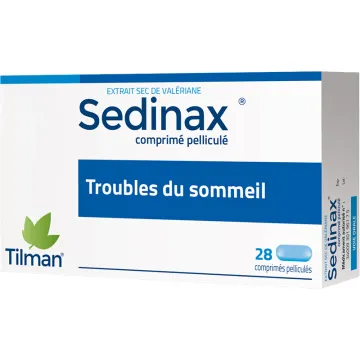
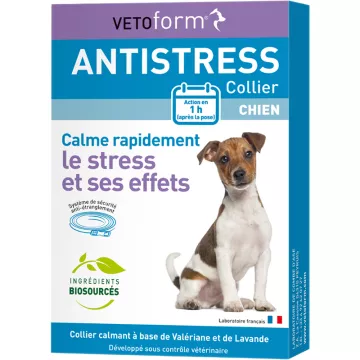
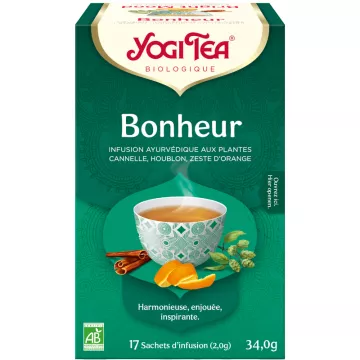
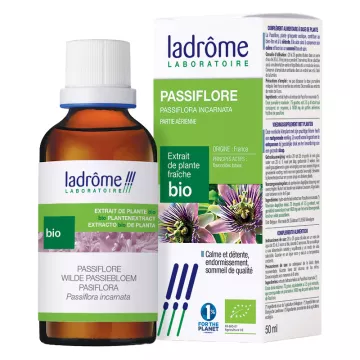
For soothing effects in the evening, valerian (EMA: well-established use) helps you fall asleep after a stressful day, while passionflower (EMA: well-established use, non-habit-forming) relieves the anxiety component of stress without causing excessive drowsiness. Omega-3 EPA-DHA (1 to 3 g/day—EFSA claim) reduces brain inflammation associated with chronic stress and supports long-term mood regulation. These supplements support behavioral practices—severe stress that persists for several weeks or is accompanied by depressive symptoms warrants a medical consultation.