What is a natural sedative?
A natural sedative is a substance of plant or physiological origin that promotes relaxation, alleviates mild anxiety, and helps you fall asleep. Unlike chemical anxiolytics and hypnotics, they gently act on the body’s natural nervous regulation systems (GABA, serotonin, melatonin) without causing physical dependence at recommended doses.
Recognized by the European Medicines Agency (EMA) for numerous indications, these active ingredients are a reasonable first-line treatment for transient sleep disorders, stress, and mild to moderate nervousness. For herbal medicine in general, additional resources are available.
Which active ingredients are most widely recognized?
Several plants and compounds have documented uses:
- Valerian: insomnia, anxiety; acts via GABA receptors
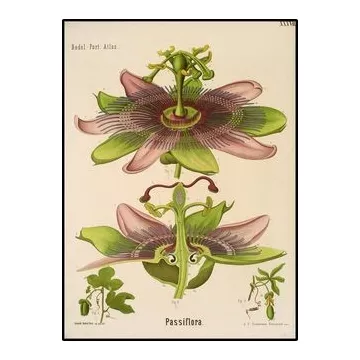
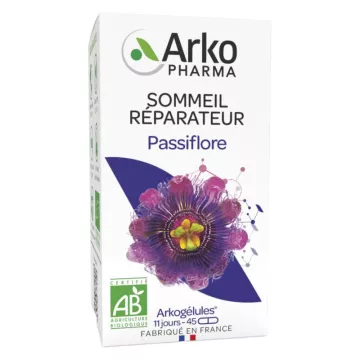
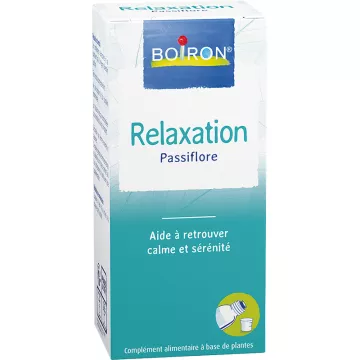
- Passionflower: nervousness, restlessness, mild sleep disturbances
- Lemon balm: mild anxiety, stress-related digestive issues
- Chamomile (German or Roman): general relaxation, children’s sleep
- Linden: calming, mild palpitations, sleep for the whole family
- Escholtzia (California poppy): falling asleep, nighttime awakenings
- Hawthorn: nervousness with palpitations, underlying anxiety
- Melatonin: sleep hormone, circadian rhythm regulator
- Magnesium: common deficiency during chronic stress, nervous system support
For valerian, passionflower, and lemon balm in general, specific resources are available.
How do you choose based on your needs?
The indication guides the choice of active ingredient:
- Difficulty falling asleep: Escholtzia, immediate-release melatonin, valerian
- Waking up during the night: extended-release melatonin, Escholtzia, valerian
- Daytime stress and nervousness: passionflower, lemon balm, magnesium, hawthorn
- Anxiety with palpitations: hawthorn, lemon balm
- Jet lag: melatonin
- Children: chamomile, linden, lemon balm as a mild herbal tea
- Elderly: valerian, escholtzia (use with caution due to potential interactions)
Synergistic combinations are common: valerian + passionflower + escholtzia for sleep; lemon balm + hawthorn + magnesium for stress. For chamomile, linden, andhawthorn in general, specific resources are available.
In what forms should they be used?
Several forms are available:
- Herbal teas: a traditional, mild, and enjoyable form, particularly well-suited for families
- Capsules and tablets of standardized extracts: precise dosing, more pronounced effect
- Standardized herbal extracts (SHE): reproducible medical-grade concentration
- Melatonin or herbalsprays: rapid absorption for those who have trouble falling asleep
- Bud macerates (gemmotherapy): linden and hawthorn buds for a gentle regulating effect
- Essential oils for diffusion (true lavender, mandarin, marjoram): use with caution in children and pregnant women
Treatments last 2 to 4 weeks with a break in between, ideally combined with a healthy lifestyle (regular sleep, limiting screen time, physical activity). Specific resources are available for magnesium and sleep in general.
What precautions should be taken?
Natural does not mean harmless:
- Pregnancy and breastfeeding: many herbs are contraindicated (St. John’s wort, sage, high-dose valerian); a pharmacist’s advice is required
- Young children: only mild herbs (chamomile, linden, lemon balm) under the guidance of a pharmacist or pediatrician
- Driving and operating machinery: exercise caution at the start of a treatment regimen with valerian, escholtzia, or melatonin
- Drug interactions: St. John’s wort with contraceptives, anticoagulants, and antidepressants; valerian with sedatives; melatonin with anticoagulants
- Chronic conditions (epilepsy, bipolar disorder, liver disorders): seek medical advice beforehand
- Avoidalcohol during treatment (may increase effects)
- Limited duration: Do not continue for more than 4 weeks without a break or professional advice
If symptoms persist beyond 4 weeks, or if you experience overwhelming anxiety or prolonged sadness, a medical consultation is necessary to identify the causes and guide appropriate treatment. Your pharmacist remains a valuable resource for helping you choose the right active ingredient, checking for drug interactions, and providing support during the first few weeks of treatment, in addition to appropriate medical follow-up. Specific resources are available for general stress and nervousness.