


Nervousness is a state of agitation or worry often triggered by the anticipation of a future event (an interview, an exam, speaking in public) or by a buildup of daily stress. Unlike pathologicalanxiety, nervousness is generally a temporary adaptive response to an identifiable situation, although it can become chronic in cases of prolonged stress. Physiologically, it reflects activation of the sympathetic nervous system with the release of adrenaline, which causes characteristic physical symptoms:
Nervousness most often results from a combination of factors: demanding work situations, social or family pressures, personality traits that make one more sensitive to stress, and nutritional deficiencies that lower the nervous system’s tolerance threshold—with magnesium deficiency being the most commonly implicated. Past experiences and individual sensitivity also influence the intensity of the reaction to objectively similar situations.
Nervousness frequently disrupts sleep: difficulty falling asleep due to rumination, waking up during the night, and light, non-restorative sleep. This vicious cycle is self-perpetuating—lack of sleep reduces the prefrontal cortex’s ability to regulate anxiety, which amplifies nervousness the next day. To minimize this impact, it is recommended to avoid caffeine after 2 p.m., establish a calming bedtime routine (dim lighting, no screens), and create a calm, cool sleeping environment.
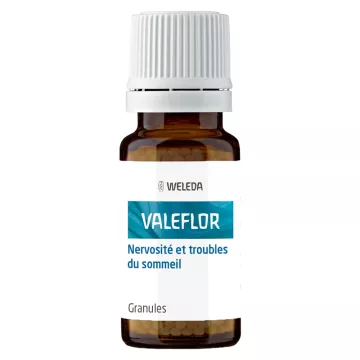
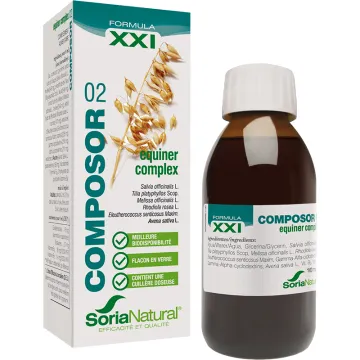
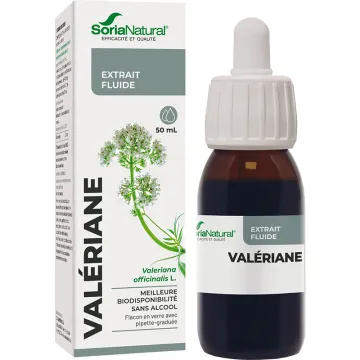
Magnesium bisglycinate (300 mg/day) is the first-line treatment: as a cofactor in GABA synthesis, it directly reduces the neuromuscular hyperexcitability that causes the tremors and palpitations associated with nervousness. Valerian (EMA: well-established use—valerenic acid) exerts a GABAergic anxiolytic and mild sedative effect, particularly suitable for evening nervousness accompanied by difficulty falling asleep. Passionflower (EMA: well-established use—anxiolytic flavonoids) is effective against nervousness with an anxiety component, without causing dependence or excessive drowsiness—whether taken as a herbal tea or as a standardized extract.
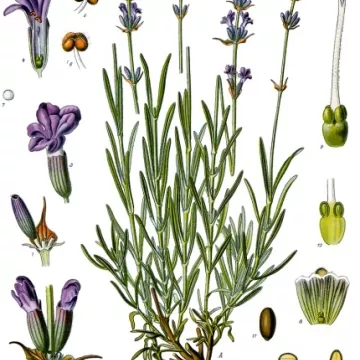
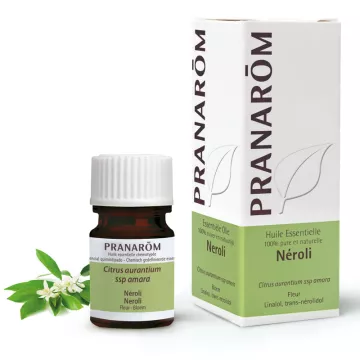
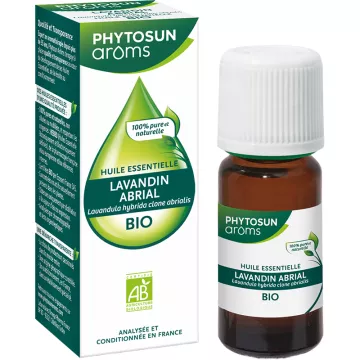
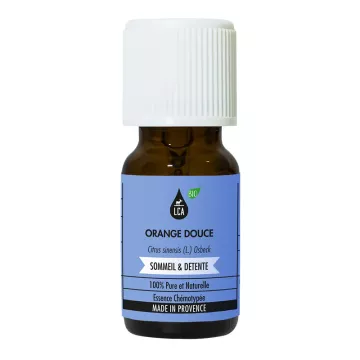
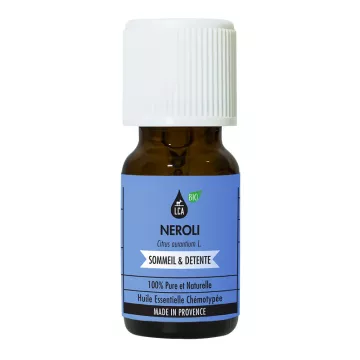
In aromatherapy, several essential oils help soothe the nerves when inhaled or applied to the skin in diluted form:
Always dilute essential oils in a carrier oil before applying to the skin (1–2% maximum). Chronic, severe nervousness, or nervousness that significantly interferes with daily life warrants a medical or psychological consultation to assess a possible underlying anxiety disorder.