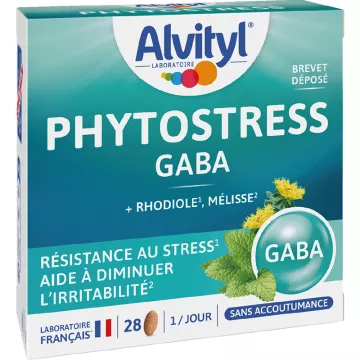
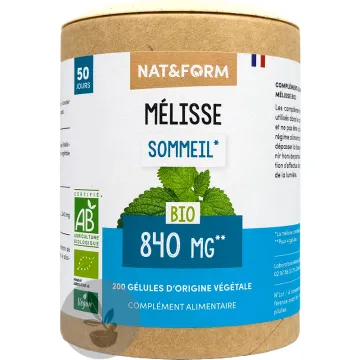
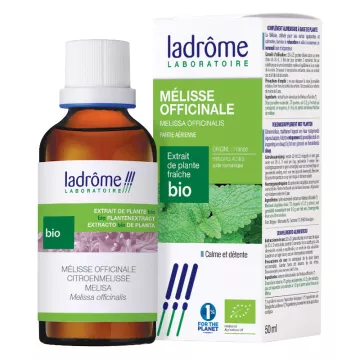
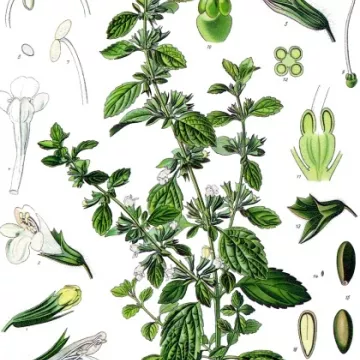
Lemon balm (Melissa officinalis) is a plant in the Lamiaceae family with a delicate lemony scent—not to be confused with lemongrass. Recognized by the EMA/HMPC for two traditional uses: supporting nervous and digestive well-being in herbal medicine, and treating cold sores topically in aromatherapy. It is available as an herbal tea, a standardized extract, and an essential oil—one of the most expensive on the market, and often adulterated. Explore our relaxation and sleep line.
Lemon balm and nervous system comfort?
This is the most well-established indication for lemon balm recognized by European authorities.
- EMA/HMPC: recognized traditional use for relieving symptoms of mild stress and aiding sleep —as a herbal tea or standardized dry extract
- Rosmarinic and hydroxycinnamic acids inhibit the enzyme GABA-transaminase—a documented mechanism for its calming effect on the central nervous system
- Herbal tea: 1.5–4 g of dried leaves in 150 mL of boiling water, steep for 5–10 minutes—1 to 3 cups per day, including one before bedtime
- Standardized dry extracts (in capsules): guaranteed rosmarinic acid content—more consistent effects than herbal tea
- Synergistic combinations: lemon balm + valerian (sleep); lemon balm + passionflower (anxiety); lemon balm + melatonin (circadian rhythm) — see our sleep product line
Lemon balm and digestive comfort?
The link between the stomach and stress makes lemon balm particularly effective for functional digestive disorders.
- Antispasmodic: Lemon balm’s flavonoids relax the smooth intestinal muscles — providing relief from bloating and post-meal cramps
- Carminative: helps eliminate intestinal gas—ideal after a heavy or rich meal
- HMPC: Recognized traditional use for relieving mild digestive discomfort (gas, cramps) — as a herbal tea after meals
- Digestive herbal tea: lemon balm + fennel + chamomile—a classic combination for stress-related functional digestive disorders
- Digestive benefits are maximized when taken 30 minutes after a meal—not before
Lemon balm essential oil and cold sores?
Lemon balm essential oil is the most well-documented aromatherapeutic agent forcold sores.
- Several clinical studies (RCTs) document a reduction in the duration of episodes and relief from local symptoms (itching, redness) with topical application at 1%
- Application: 1 drop of essential oil diluted to 1–2% in a vegetable oil (jojoba, sweet almond), as soon as the first tingling sensation appears—3 to 5 times a day
- EMA/HMPC: well-established use of lemon balm tincture (hydroalcoholic extract) for cold sores—clinically validated
- Lemon balm essential oil is one of the most commonly adulterated oils on the market (very high price, at least 100–200 € per 10 mL)—often diluted with Java citronella or lemongrass. Check the chemotype and the value for money
- See our herpes and cold sore product line
Lemon balm and sleep?
Its calming effect makes it a non-habit-forming sleep aid—an advantage over sleeping pills.
- Improves the quality of falling asleep for those with a “racing mind”—intrusive thoughts, mental restlessness at bedtime
- No risk of dependence or significant drowsiness the next day—can be used daily for several weeks
- Lemon balm + L-theanine combination: GABA-ergic synergy without daytime drowsiness
- Lemon balm essential oil in a diffuser: 3–5 drops in a diffuser 20 minutes before bedtime—soothing lemony scent
- Alternating diffusion: lemon balm + true lavender — an evening relaxation duo
Precautions?
- Herbal tea and extracts: well tolerated—daytime drowsiness possible if overdosed—follow recommended dosages
- Lemon balm essential oil: not recommended for pregnant or breastfeeding women—always dilute; never ingest without a specific medical prescription
- Drug interactions: sedatives and benzodiazepines—inform your doctor if you are currently undergoing treatment
- Glaucoma and hypothyroidism: consult a doctor before prolonged use
- Allergy to the Lamiaceae family (mint, oregano, basil, lavender): risk of cross-reactivity — perform a skin test before extended use of the essential oil