What is hawthorn?
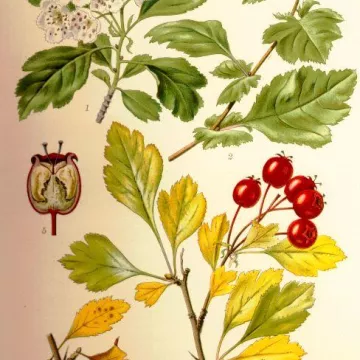
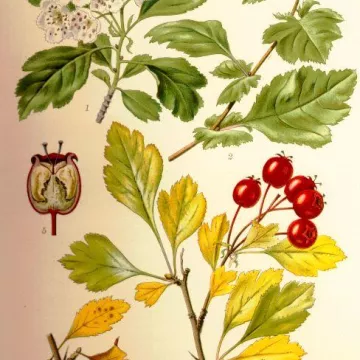
Hawthorn (Crataegus monogyna, Crataegus laevigata) is a thorny European shrub whose flowering tops and red berries are traditionally used in herbal medicine. It is rich in flavonoids (vitexin, hyperoside), oligomeric proanthocyanidins, and aromatic amines with documented cardiovascular and soothing effects.
Recognized by the European Medicines Agency (EMA) for the relief of mild mental stress, sleep disorders, and minor functional cardiac symptoms (benign palpitations), hawthorn is one of the most versatile plants in the European Pharmacopoeia. For herbal medicine in general, additional resources are available.
What are its recognized benefits?
Hawthorn is traditionally used to:
- Relieve mild palpitations of nervous origin and functional cardiac irritability
- Regulate blood pressure in cases of mild fluctuations
- Relieve daytime anxiety with cardiac symptoms (tightness, chest tightness)
- Help you fall asleep when you’re ruminating or feeling tense in the evening
- Support the cardiovascular system preventively thanks to its antioxidants
Its unique feature lies in this combined action on both the nervous and cardiac systems, which sets it apart from other soothing herbs. For stress,anxiety, and sleep in general, specific resources are available.
In what forms should it be used?
Several dosage forms allow for tailored use:
- Herbal tea made from flowering tops: 1 to 2 teaspoons per 200 ml of simmering water, steep for 10 minutes, 1 to 3 cups per day
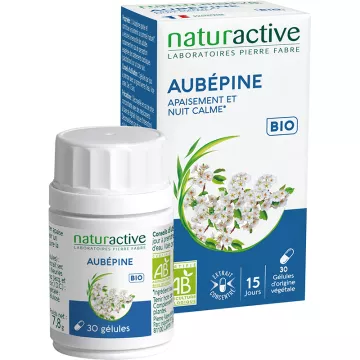
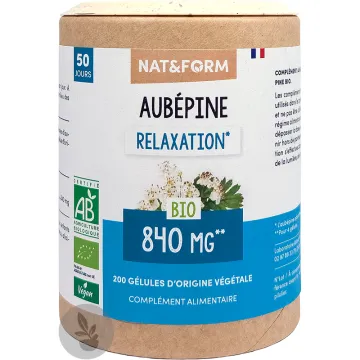
- Dry extract capsules: 300 to 900 mg per day, depending on the indication
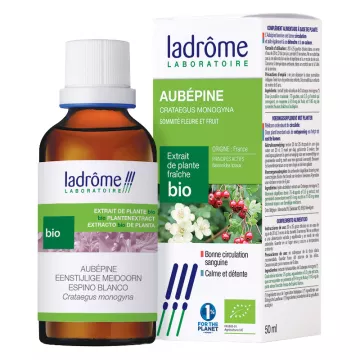
- Mother tincture or hydroalcoholic extract: 30 to 50 drops diluted, 1 to 3 times per day
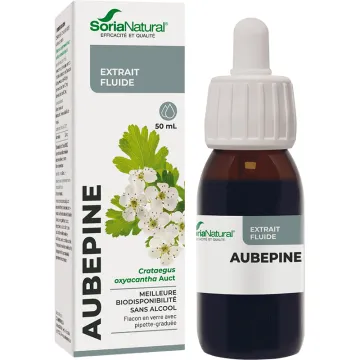
- Fluid extract or EPS: precise medical concentration as advised by a pharmacist
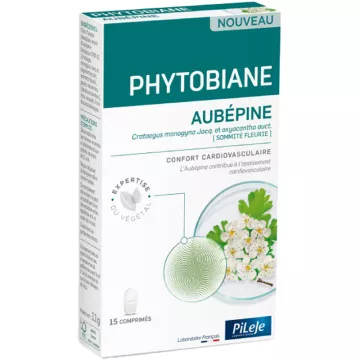
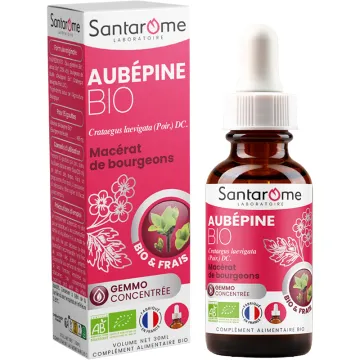
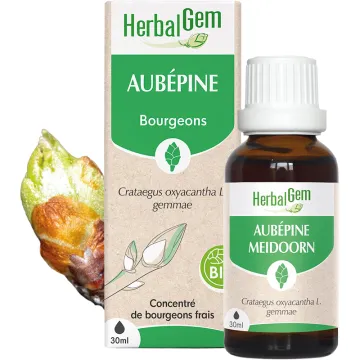
- Bud macerate (gemmotherapy): a form particularly suited for individuals prone to anxiety and with sensitive hearts
- Tablets standardized for flavonoids to ensure a consistent dosage
Effects develop gradually over 2 to 3 weeks of regular use. A typical treatment course lasts 3 to 6 weeks, sometimes longer for cardiovascular conditions (under medical supervision). Specific resources are available for lemon balm and valerian in general.
Which plants should it be combined with?
Synergistic combinations are common:
- Hawthorn + passionflower: anxiety-related palpitations, emotional sensitivity
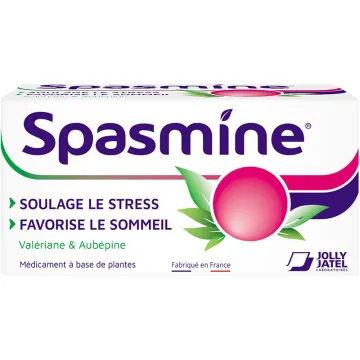
- Hawthorn + valerian: insomnia with a cardiac or anxiety-related component
- Hawthorn + lemon balm: nervous disposition with associated digestive disorders
- Hawthorn + olive: natural blood pressure regulation during long-term treatment
- Hawthorn + garlic: overall cardiovascular support
- Hawthorn + magnesium: a deficiency commonly seen in chronic stress with palpitations
For passionflower and magnesium in general, specific resources are available.
What precautions should be taken?
Hawthorn is well tolerated but requires some precautions:
- Cardiovascular medications: medical advice required (possible interactions with beta-blockers, digitalis, antihypertensives, and anticoagulants)
- Severehypotension: use with caution (mild hypotensive effect)
- Pregnancy and breastfeeding: use not recommended without medical advice
- Children: Use not recommended for children under 12 years of age, unless under strict medical supervision
- Palpitations or chest pain: Do not self-treat; consult a doctor for an evaluation
- Rareside effects: headaches, mild digestive disturbances, mild drowsiness
- Long-term use: medical supervision recommended beyond 6 weeks
Any cardiac symptoms (chest pain, severe palpitations, dizziness, shortness of breath) require a medical consultation before considering herbal treatment. Hawthorn remains a complementary support to a holistic approach (physical activity, balanced diet, stress management, sleep); it is not a substitute for a medical diagnosis or treatment. Your pharmacist remains a valuable resource for guiding your choice of dosage form, identifying potential interactions, and providing support during the first few weeks, in addition to appropriate medical follow-up. Specific resources are available for general nervousness.