What is herbal medicine?
Phytotherapy refers to the use of plants and their extracts for therapeutic purposes. A practice dating back thousands of years, it is now based on traditional knowledge confirmed by modern scientific research: plant pharmacology, clinical studies, and the identification of active ingredients.
Recognized by the WHO as an integral part of medicine, it serves as a complement to or alternative for conventional treatments, depending on the situation. In France, it is regulated bythe ANSM and the European Medicines Agency (EMA), which validate documented traditional uses. For lemon balm and chamomile in general, additional resources are available.
What are the benefits based on specific indications?
Medicinal plants cover a wide range of applications:
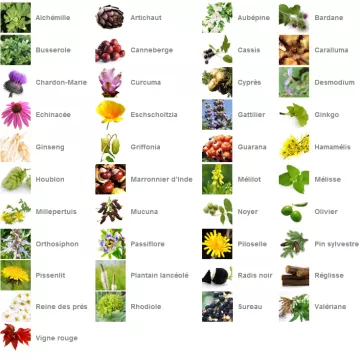
- Stress and sleep: passionflower, lemon balm, valerian, hawthorn, linden, escholtzia
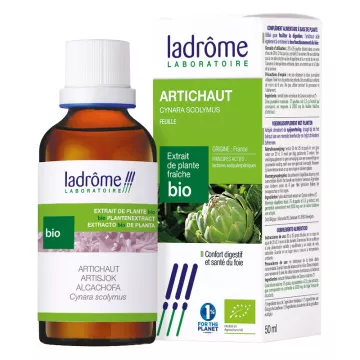
- Digestion: peppermint, ginger, fennel, anise, rosemary, artichoke, milk thistle
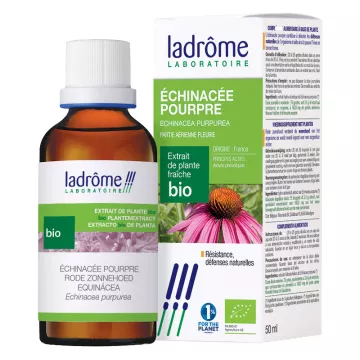
- Immunity and respiratory health: thyme, echinacea, elderberry, propolis, eucalyptus
- Circulation: red vine, horse chestnut, ginkgo biloba, witch hazel
- Vitality and adaptogens: Rhodiola, ashwagandha, ginseng, eleuthero
- Joints: harpagophytum, turmeric, meadowsweet, black currant
For passionflower, ginger, and thyme in general, specific resources are available.
Which dosage forms should you choose?
Herbal medicine offers several complementary forms:
- Herbal teas and infusions: a traditional, mild, and user-friendly form (steep for 5–10 minutes in gently simmering water)
- Capsules and tablets containing powdered herbs or standardized extracts: precise and easy dosing
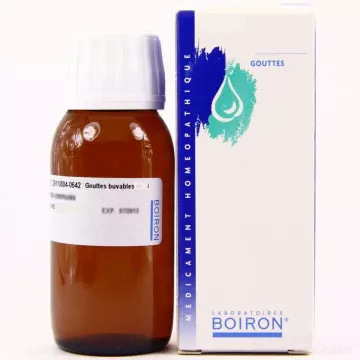
- Standardized plant extracts (SPE): a concentrated liquid form with a reproducible medical dosage
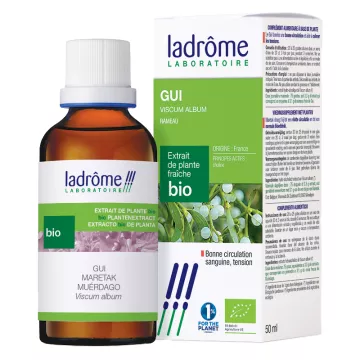
- Mother tinctures and hydroalcoholic extracts: traditional use; contraindicated for children and pregnant women
- Buds (gemmotherapy): glycerin macerates concentrated in growth energy
- Essential oils: the most concentrated form; use with caution and expertise
The choice of form depends on the indication, personal preferences, and individual precautions. Forhawthorn and linden in general, specific resources are available.
What precautions should be taken?
Herbs are not harmless: their effectiveness comes with precautions that must be followed:
- Consult a pharmacist before any prolonged course of treatment, especially in cases of chronic conditions or medication use
- Documenteddrug interactions: St. John’s wort (with contraceptives, antidepressants, anticoagulants), ginkgo, licorice, ginseng
- Pregnancy and breastfeeding: many herbs are contraindicated (clary sage, concentrated parsley, star anise, hormone-like herbs)
- Young children: adjust doses, choose mild herbs, avoid alcohol-based extracts
- Treatments should be limited in duration (ideally 3 weeks with a break)
- Quality-controlled: prefer organic labels (Bio, AB, Eurofeuille) and traceable pharmaceutical brands
Prolonged self-medication without professional advice should be avoided, especially for chronic conditions. For valerian and peppermint in general, specific resources are available.
How can you incorporate them into your daily routine?
A few simple ways to benefit from these herbs:
- Soothingevening herbal teas: chamomile, linden, lemon balm, passionflower (before bedtime)
- Digestive herbal teas after meals: mint, fennel, ginger, anise
- Seasonal regimens: spring detox, fall immune support
- Targeted supplements in capsules or liquid form for specific concerns (sleep, stress, joints)
- Vary your herbal choices rather than taking a single herb for an extended period
- Holistic approach: herbal medicine supports a balanced lifestyle without replacing it
In the event of persistent symptoms, diagnostic uncertainty, or a new medical condition, a medical consultation is necessary. Herbal medicine is not a substitute for medical diagnosis or essential medical treatments. Your licensed pharmacist remains a valuable resource for guiding your choice of herbs based on your needs, identifying interactions and contraindications, and tailoring advice to your health profile, in addition to appropriate medical care.