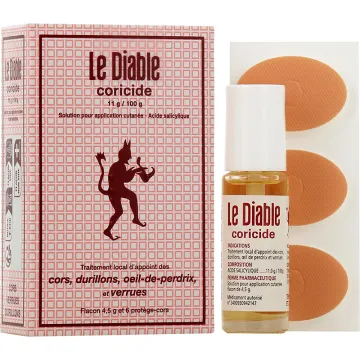
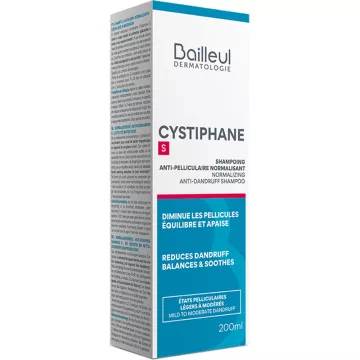
Salicylic acid is a beta-hydroxy acid (BHA) widely used in dermatological cosmetics for its gentle exfoliating effect on the stratum corneum and its benefits for blemish-prone skin, oily skin, and skin with visible pores. This FAQ details its properties, uses, synergistic effects, and the strict precautions that must be followed to ensure safe use.
Salicylic acid is a plant-derived compound historically obtained from the bark of the willow (Salix alba) and wintergreen (Gaultheria procumbens). Today, it is most often produced synthetically to ensure purity and stability. Its classification within the beta-hydroxy acid family gives it a lipid affinity, allowing it to penetrate the stratum corneum and act within sebum-rich pores, whereas alpha-hydroxy acids (AHAs) remain on the surface.
In cosmetics, salicylic acid acts as a gentle exfoliant that helps remove dead skin cells from the stratum corneum, unclog blocked pores, and improve skin texture. European regulations (EC 1223/2009) cap its concentration in cosmetics at 2% (rinse-off or leave-on, depending on the product’s intended use). Above this threshold, salicylic acid is classified as a drug and requires a specific pharmaceutical regulatory framework.
The main recognized cosmetic benefits of salicylic acid are:
In casesof inflammatory, cystic, or widespread acne, using a salicylic acid-based product alone is not enough: a dermatological consultation is essential to tailor treatment.
Salicylic acid is particularly suitable for oily, combination, and blemish-prone skin , as well as skin with enlarged pores and blackheads. On combination skin, it can be applied topically to the T-zone (forehead, nose, and chin).
For dry, sensitive, atopic, or rosacea-prone skin, use with caution: opt for a low concentration (0.5 to 1%), a reduced frequency (1 to 2 times per week), and a formulation suitable for sensitive skin (a rinse-off cleanser rather than a leave-on serum). If you havea history of allergy to salicylates (such as aspirin), cosmetic salicylic acid should be avoided or used only under medical supervision.
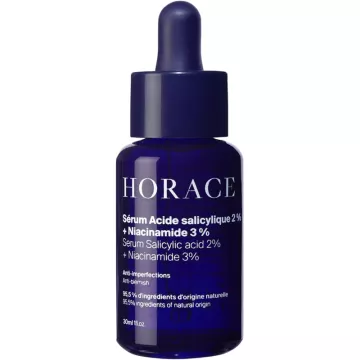
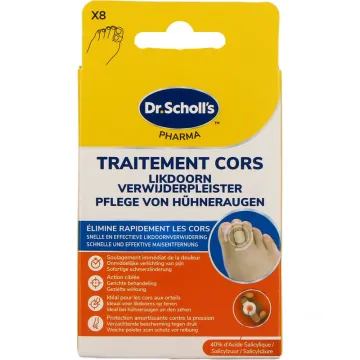
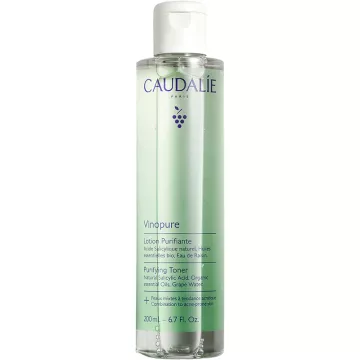
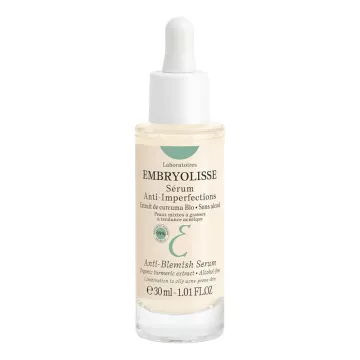
Salicylic acid comes in several formulations: cleansers, lotions, serums, creams, and targeted treatments.
Salicylic acid causes skin photosensitivity: applying a broad-spectrum sunscreen with SPF 30 to 50 is essential every morning, even on cloudy days and indoors near windows. Failure to do so increases the risk of post-inflammatory hyperpigmentation and sun damage.
Inappropriate or excessive use can lead to several adverse effects:
To minimize these effects, start with a low concentration (0.5 to 1%), space out applications (1 to 2 times per week), moisturize the skin thoroughly, and do not combine with other exfoliating ingredients. A systemic reaction (facial swelling, difficulty breathing, generalized hives) requires immediately calling 15 or 112.
Salicylic acid combines well with certain active ingredients but should be used at separate times from others to avoid cumulative skin irritation.
Beneficial combinations:
Combinations to avoid or space out over time: