What are AHAs, and how do they work?
AHAs (alpha-hydroxy acids) are a family of organic acids of natural or synthetic origin, widely used in cosmetics for their exfoliating properties and ability to even out skin tone. Derived primarily from fruits, milk, or sugarcane, they includeglycolic acid,lactic acid,citric acid,malic acid,tartaric acid, andmandelic acid.
Their mechanism of action involves breaking down corneodesmosomes—the structures that hold keratinocytes together on the surface of the epidermis. By weakening these bonds, AHAs promote the removal of dead cells and accelerate cell turnover. This chemical exfoliation occurs without mechanical friction, making it a skin-barrier-friendly alternative to granular scrubs.
Depending on the concentration and pH, AHAs act at different depths:
- Low concentrations (<5%) with a pH close to physiological levels: very gentle exfoliation, “smoothing” effect.
- Intermediate concentrations (5–10%) at a pH ≥3.5: effective exfoliation; use as part of a daily or weekly routine depending on skin type.
- Concentrations above 10% at a low pH: used in medical peels, reserved for dermatologists’ offices.
European health authorities (SCCS) recommend maximum concentrations of 10% in cosmetics for glycolic acid and lactic acid at a pH of ≥3.5, to ensure good tolerance for the general public.
What are the benefits of AHAs for the skin?
AHAs are known for several skin benefits:
- Gentle chemical exfoliation: removal of dead skin cells for a more even and radiant complexion, without mechanical abrasion.
- Improved skin texture: visual reduction of enlarged pores, smoothing of irregularities, and reduction of post-inflammatory acne scars.
- Reduction of superficial wrinkles and fine lines: stimulates epidermal renewal and supports deep collagen production (more pronounced effect at effective concentrations and over the long term).
- Enhanced hydration withlactic acid: a natural component of the natural moisturizing factor (NMF), it increases the skin’s ability to retain water.
- Action on hyperpigmentation: gradual fading of dark spots, post-inflammatory melasma, and residual marks. Gentle effect, best used over the long term.
- Regulation of skin imperfections: targets pimples, blackheads, and excess sebum, particularly with mandelic acid (which has a mild antibacterial effect) and glycolic acid.
- Prepares the skin to better absorb subsequent treatments (hydration, anti-aging ingredients) by removing the layer of dead skin cells.
What types of AHAs are there, and how do you choose the right one?
Each AHA has its own specific characteristics, related to its molecular size and how it interacts with the skin:
- Glycolic acid (derived from sugarcane, the smallest AHA molecule—penetrates deepest into the skin): the gold standard for anti-aging and smoothing effects. For normal to combination skin, when used with strict sun protection. Cosmetic concentrations: 5 to 10%.
- Lactic acid (derived from milk or produced by fermentation): larger molecule, shallower penetration. Offers a dual benefit: gentle exfoliation + hydration via its humectant effect (a natural component of the skin’s NMF). Ideal for dry, dehydrated, and sensitive skin. Cosmetic concentrations: 2–10%.
- Citric acid (derived from citrus fruits): naturally low pH; may be astringent. More commonly used as a pH regulator in formulations than as a primary active ingredient. Mild antioxidant.
- Malic acid (derived from apples): a gentle exfoliant, sometimes combined with other AHAs for synergistic effects.
- Tartaric acid (derived from grapes): antioxidant, gentle exfoliant.
- Mandelic acid (derived from bitter almonds, larger molecule): very gentle exfoliation, mild antibacterial activity, particularly beneficial for blemish-prone skin, sensitive skin, and darker skin tones (lower risk of post-inflammatory hyperpigmentation).
- PHAs (Polyhydroxy Acids): a class related to AHAs, even gentler (gluconolactic acid, lactobionic acid). Penetrates only the surface layer, very well tolerated, suitable for highly sensitive skin and atopic skin conditions.
The choice depends on the goal (anti-aging, hydration, blemishes, sensitivity) and skin type. Salicylic acid, although classified as a BHA (beta-hydroxy acid) rather than an AHA, is often compared to AHAs: see salicylic acid for the difference (BHAs = fat-soluble, penetrate pores, ideal for acne; AHA = water-soluble, acts on the skin’s surface).
Are AHAs suitable for all skin types?
AHAs can be suitable for most skin types, provided the concentration and frequency are adjusted accordingly:
- Dry and dehydrated skin: low-concentration lactic acid (3–5%), formulas combining emollients and humectants.
- Sensitive and atopicskin: opt for PHAs, mandelic acid, or low-concentration lactic acid. Perform a patch test on the inner elbow 24 to 48 hours before the first application on the face.
- Normal to combination skin: 5–10% glycolic acid as part of a routine 2–3 times a week.
- Oily and blemish-prone skin: glycolic acid, mandelic acid, sometimes combined with a BHA. Adjust according to tolerance.
- Mature skin: Glycolic and lactic acids are particularly beneficial for their smoothing and moisturizing effects; be sure to combine them with a rich, soothing moisturizer and a hyaluronic acid serum.
- Dark skin types: exercise increased caution (risk of post-inflammatory hyperpigmentation); prefer mandelic acid or low concentrations, and use rigorous sun protection.
- Damaged skin, active eczema, rosacea, perioral dermatitis: Avoid use during flare-ups.
- Pregnancy and breastfeeding: Low-concentration cosmetic AHAs are generally acceptable (low systemic absorption); medical-strength peels are not recommended. Consult a pharmacist for advice based on individual circumstances.
- Children: Cosmetic AHAs are not recommended (thinner skin, sensitive to acids).
How can you incorporate AHAs into your skincare routine?
To benefit from AHAs without irritation:
- Gradual introduction: Start with 1 to 2 applications per week for 2 to 4 weeks, then increase as tolerated.
- Apply in the evening: Take advantage of the skin’s nighttime renewal process and avoid immediate sun exposure.
- Gently cleanse beforehand using a mild cleanser (mild syndet), then pat dry.
- Apply the AHA serum or cream to clean, dry skin, avoiding the eye area, nostrils, corners of the mouth, and any damaged skin.
- Follow-up serum: niacinamide-compatible (different pH levels balance out in modern formulas), hyaluronic acid for hydration, and soothing vitamins.
- Moisturizer rich in soothing agents (panthenol, allantoin, bisabolol, ceramides, niacinamide) to support the skin barrier.
- Sunscreen is mandatory the next morning: SPF 50+ broad-spectrum. See sunscreen. This is non-negotiable—AHAs make the skin more sensitive to UV rays for several weeks after use.
- Space out applications with other irritating active ingredients (topical retinoids, BHAs, low-pH vitamin C): alternate between Night A and Night B rather than combining them in the same routine.
- Stop use if signs of irritation appear (redness, persistent stinging, excessive flaking).
What are the side effects of AHAs, and how can they be avoided?
AHAs are generally well tolerated, but may cause:
- Redness, mild tingling upon application: a temporary, tolerable sensation; if persistent, it’s a sign of intolerance.
- Dryness and excessive flaking: too frequent application or too high a concentration. Reduce the frequency and increase hydration.
- Increased sun sensitivity: a classic photosensitization effect of AHAs. **SPF 50+ is mandatory** during use and for at least 6 months after an intensive treatment regimen.
- Post-inflammatory hyperpigmentation: increased risk in darker skin types and in cases of prolonged irritation—hence the importance of gradual introduction and rigorous sun protection.
- Contact eczema or irritation in certain sensitive skin types: test on the inner elbow; discontinue use if a reaction occurs.
- Exacerbation of rosacea or perioral dermatitis: avoid use on these skin conditions.
- Burning sensation on recently exfoliated or damaged skin: discontinue use.
To minimize these effects: start with a low concentration, introduce gradually, moisturize consistently, use strict sun protection, do not combine with other irritating active ingredients, and avoid use on damaged skin. If in doubt or if a reaction persists, consult a pharmacist or dermatologist.
What are the best AHA-based products?
AHAs come in several forms, to be chosen based on your goals and comfort:
- Concentrated serums with 5–10% glycolic acid: target radiance, smoothing, and early wrinkles. Apply in the evening, 2–3 times a week as part of an established routine.
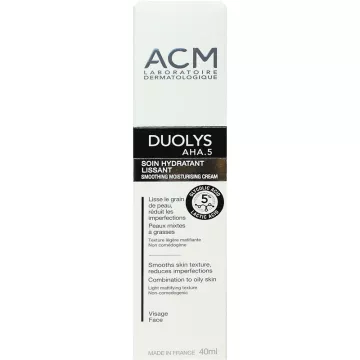
- Moisturizers with gentle AHAs (lactic acid or PHAs): for very gradual exfoliation incorporated into your daily routine, suitable for sensitive skin.
- AHA masks: provide an immediate “radiant glow” effect; apply once a week.
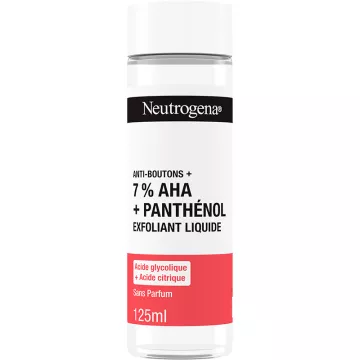
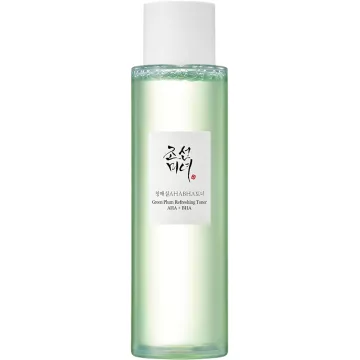
- Exfoliating toners: Apply with a cotton pad or swab to clean skin; use a low concentration for regular use (depending on tolerance).
- Higher-concentrationevening peels: limited to weekly applications for a short period, followed by moisturizing.
- Synergistic combinations with hyaluronic acid, niacinamide, and antioxidants: beneficial for maximizing benefits without overloading the skin with irritating active ingredients.
- High-concentrationmedical peels (>20–30%): to be performed exclusively in a dermatologist’s office, with supervised preparation and aftercare.
Choose a product whose ingredient list (INCI) clearly states the concentration and pH whenever possible. Prioritize formulas that combine a primary AHA with soothing agents (allantoin, bisabolol, panthenol, niacinamide) and moisturizing agents (glycerin, hyaluronic acid).