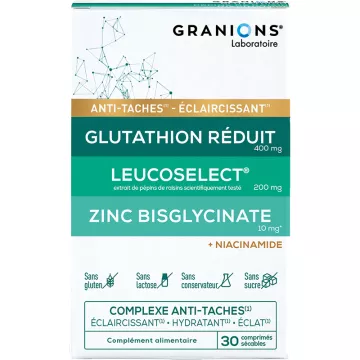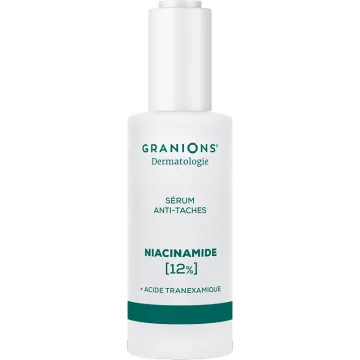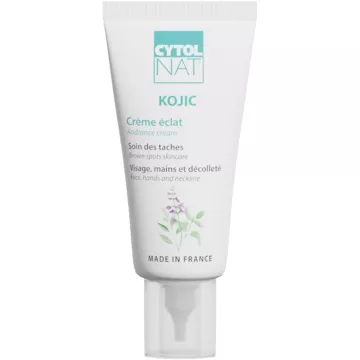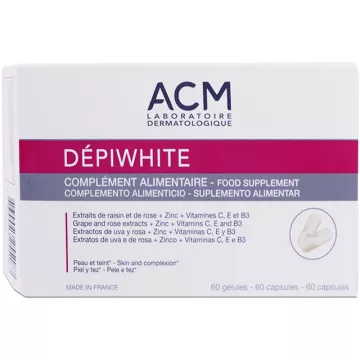
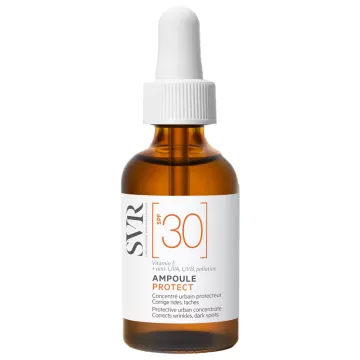
What are brown spots, and why do they appear?
Brown spots, also known as hyperpigmentation or solar lentigines, are areas of the skin that become darker than the normal skin tone. They often result from excessive sun exposure, natural aging, or hormonal factors—particularly during pregnancy or due to the use of oral contraceptives. These spots can appear on the face, hands, neck, and other areas exposed to the sun.
How can you prevent brown spots from appearing?
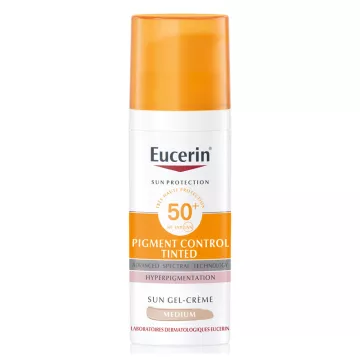
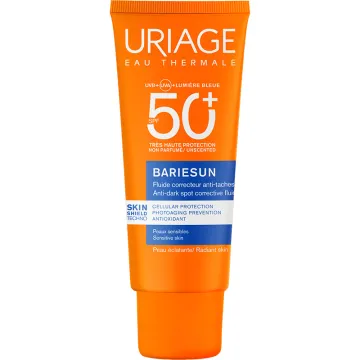
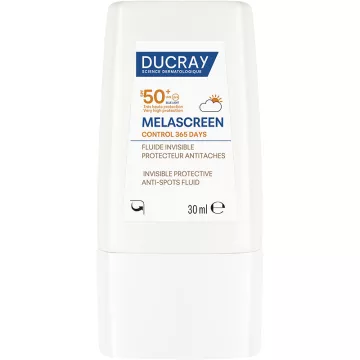
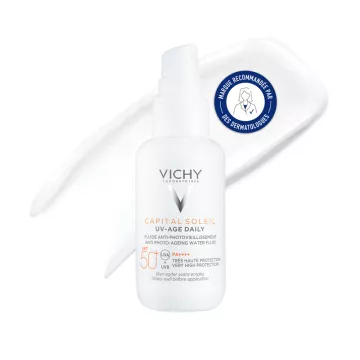
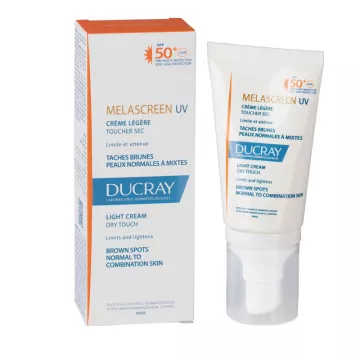
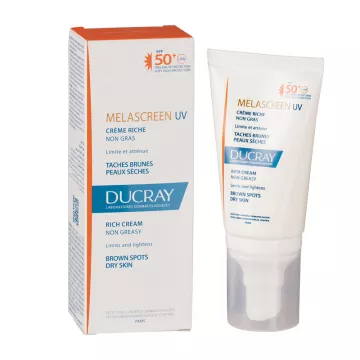
Preventing brown spots mainly involves sun protection. Using a broad-spectrum sunscreen with a sun protection factor (SPF) of 30 or higher every day is essential, even on cloudy days. It’s also recommended to wear protective clothing, such as wide-brimmed hats and sunglasses, and to seek shade during the sunniest hours of the day.
What are some ways to reduce or eliminate age spots?
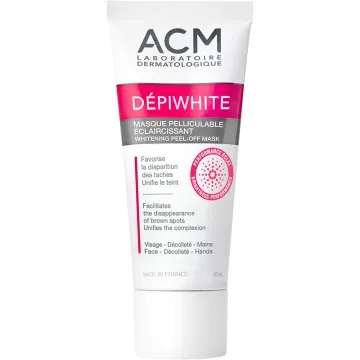
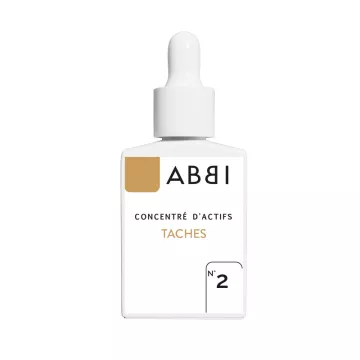
Several treatments can help reduce the appearance of age spots:
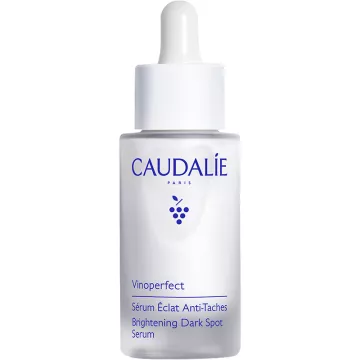
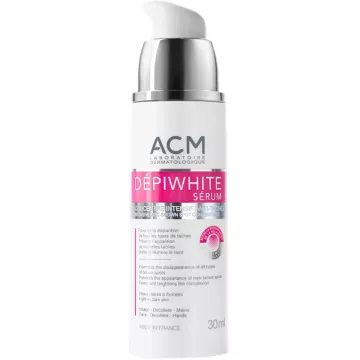
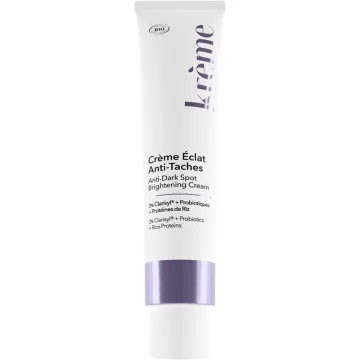
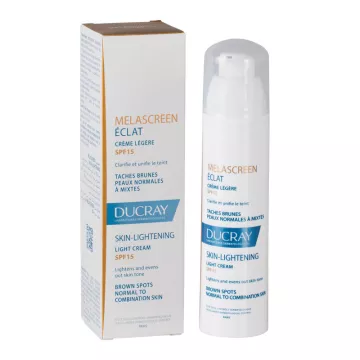
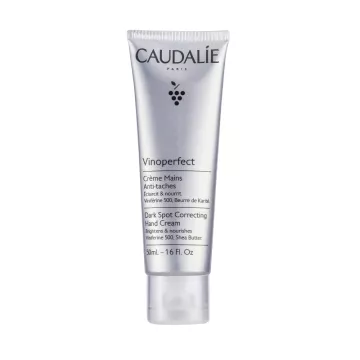
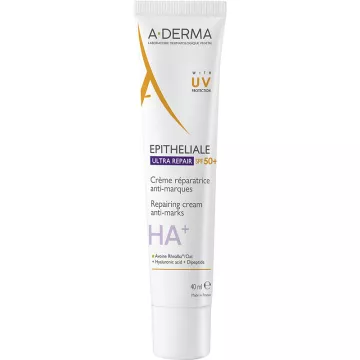
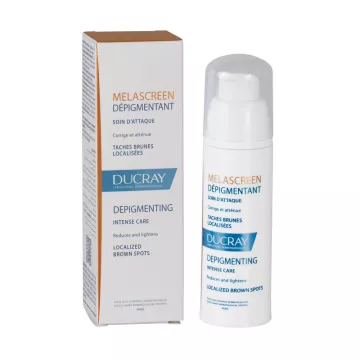
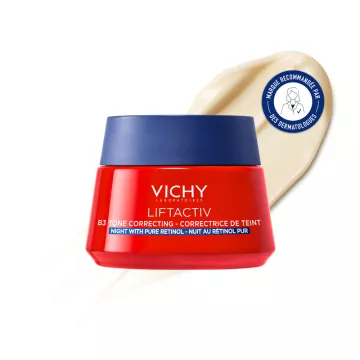
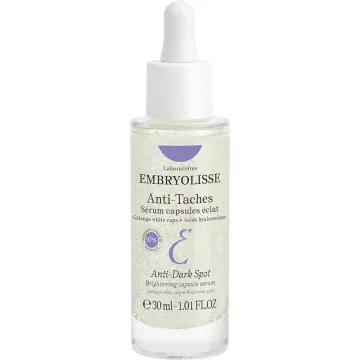
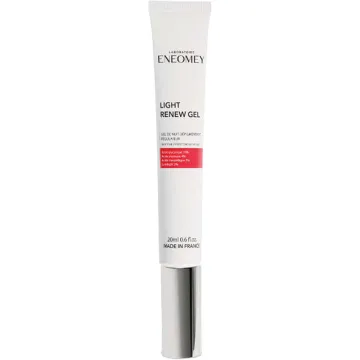
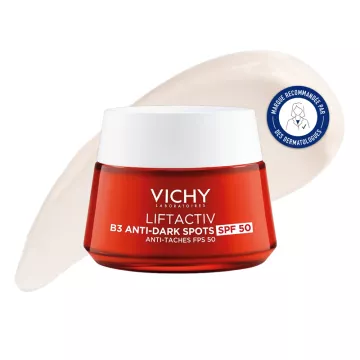
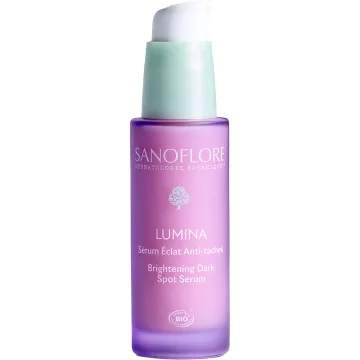
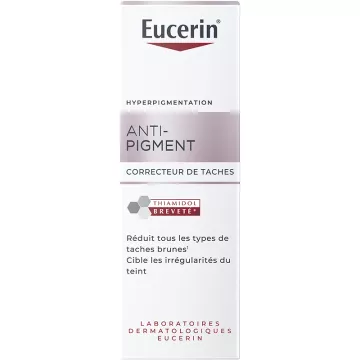
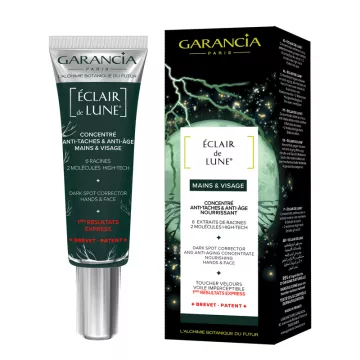
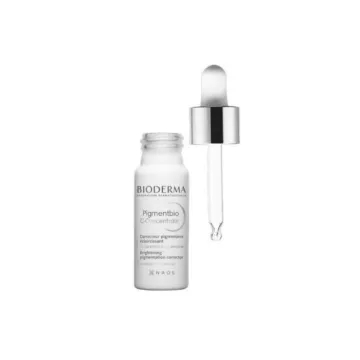
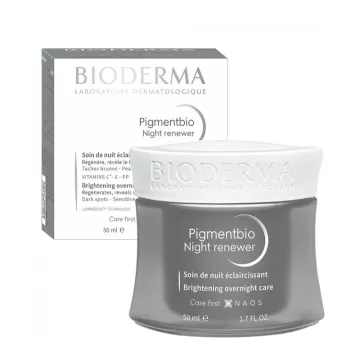
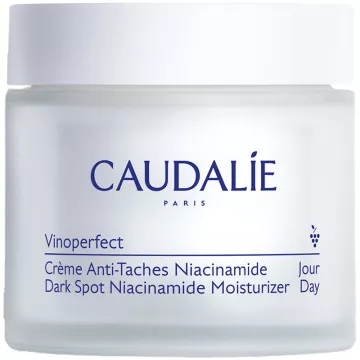
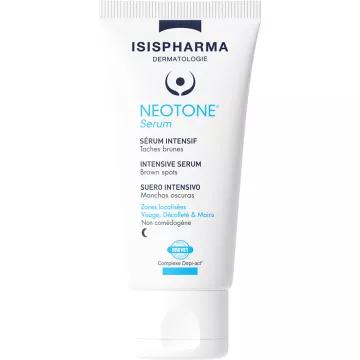
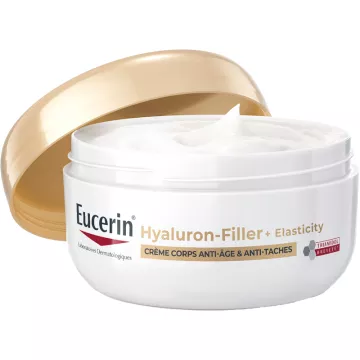
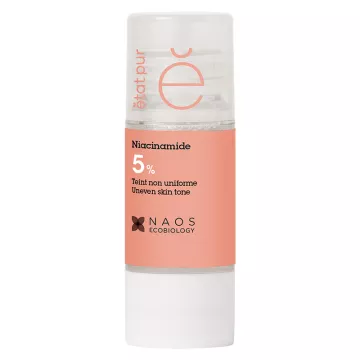
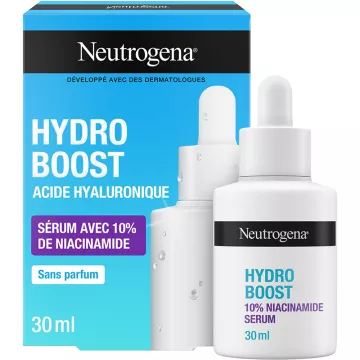
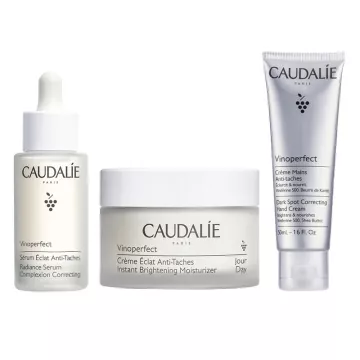
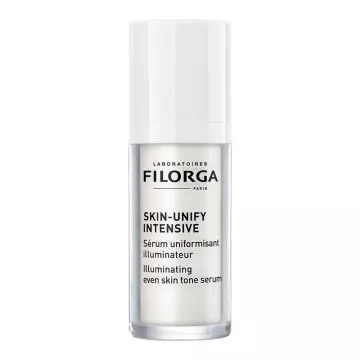
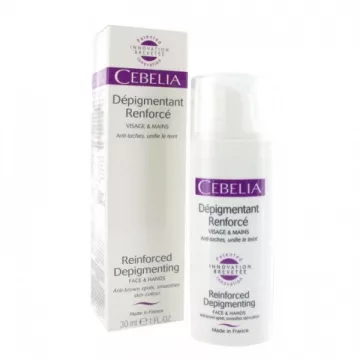
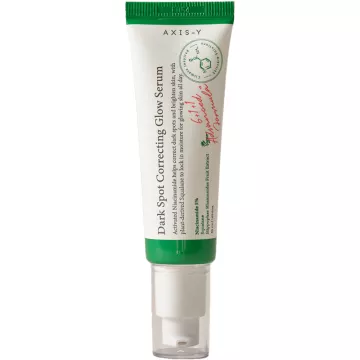
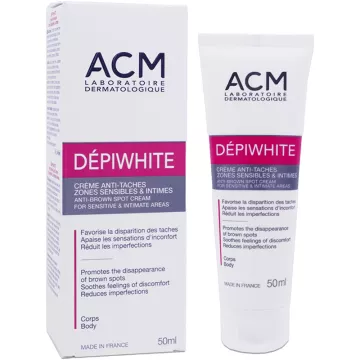
Skin-lightening creams: Products containing ingredients such as hydroquinone, kojic acid, or vitamin C can gradually fade the spots.
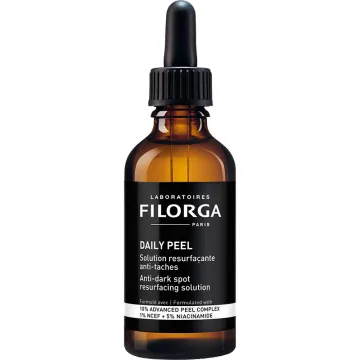
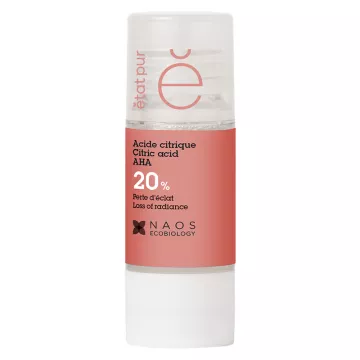
Chemical peels: These use acids such as glycolic acid to exfoliate the upper layers of the skin, revealing clearer, more even-toned skin.
Laser treatments: Lasers target the melanin in dark spots, breaking them down so they are absorbed and gradually fade.
Microdermabrasion: This mechanical exfoliation technique can also help reduce dark spots by removing dead skin cells.
When Should You See a Dermatologist?
It’s advisable to see a dermatologist if dark spots change in appearance, color, or size, as this may be a sign of a more serious condition such as melanoma. A healthcare professional can also offer personalized advice and recommend the treatment best suited to your situation.
What tips should you follow for an even, radiant complexion?
Moisturize your skin daily to maintain its protective barrier and improve its overall appearance.
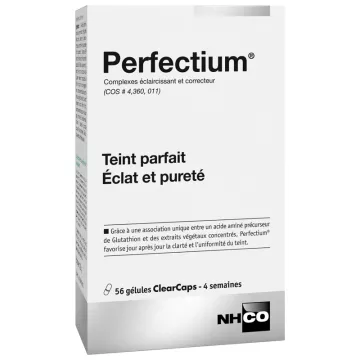
Eat a diet rich in antioxidants (fruits, vegetables, nuts) to combat free radical damage and promote healthy skin.
Avoid direct sources of heat, such as tanning beds, which can increase the risk of dark spots and accelerate skin aging.
How can you identify different types of brown spots?
Dark spots on the skin can vary in color, shape, and size, and it’s important to identify them correctly to choose the most appropriate treatment. Solar lentigines are typically small spots caused by sun exposure. Melasma involves larger areas of hyperpigmentation, often linked to hormonal changes. Age spots, on the other hand, appear with age and are found mainly on areas exposed to the sun. A consultation with a dermatologist can help identify the type of dark spot.
Can natural remedies be used to treat brown spots?
Several natural remedies are known for their potential to lighten dark spots, although their effectiveness may vary from person to person.Aloe vera, thanks to its moisturizing and regenerative properties, can help fade spots when applied regularly. Lemon juice, rich in vitamin C, is known for its lightening effects, but should be used with caution as it can make the skin more sensitive to the sun. It is recommended that you always perform a patch test before applying a new product to your skin.
Are brown spots dangerous to your health?
In most cases, brown spots pose no health risk and are primarily a cosmetic concern. However, it is crucial to monitor any changes in appearance, as certain signs may indicate a higher risk, such as melanoma, a type of skin cancer. It is essential to consult a dermatologist if a spot changes color, shape, or size, or becomes painful.
How does lifestyle affect the appearance of brown spots?
Lifestyle has a significant impact on skin health and can influence the development of brown spots. Prolonged sun exposure without adequate protection, smoking, an unbalanced diet, and stress can all contribute to the development and worsening of brown spots. Adopting a healthy lifestyle—which includes adequate sun protection, quitting smoking, eating a diet rich in antioxidants, and managing stress—can help prevent their formation.
How long does it take to see improvement after treating age spots?
The time it takes to see improvement after treating age spots varies depending on the method used and the individual’s skin response. Topical treatments, such as skin-lightening creams, may require several weeks to several months of regular application to show visible results. Dermatological procedures, such as chemical peels or laser treatments, can offer faster results, often after just a few sessions. It’s important to follow your dermatologist’s recommendations and be patient throughout the treatment process.