What are the main causes of acne, and how can you identify them?
Acne results from a multifactorial process involving several mechanisms:
- Excessive sebum production influenced by androgens.
- Hyperkeratinization of the hair follicle, which clogs the pores.
- Proliferation of the bacterium *Cutibacterium acnes* (formerly *Propionibacterium acnes*).
- Local skin inflammation.
Several underlying factors are involved:
- Hormones: puberty, menstrual cycle, pregnancy, postpartum, menopause, polycystic ovary syndrome (PCOS).
- Genetics: recognized family predispositions.
- Environment: air pollution, hot and humid climate, chronic unprotected sun exposure (with a rebound effect).
- Lifestyle: stress, insufficient sleep, smoking, a high-glycemic-index diet, and considerations regarding dairy products depending on individual profiles.
- Inappropriate cosmetics: comedogenic products, incomplete makeup removal, over-cleansing.
- Contributing medications: corticosteroids, anabolic steroids, lithium, certain progestins with androgenic effects.
A medical consultation helps identify personal factors and guide treatment. See also acne.
What skincare routine is recommended for acne-prone skin?
A suitable routine relies on gentle, gradual products:
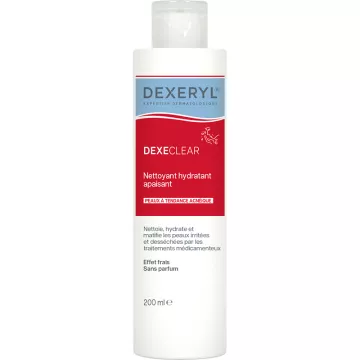
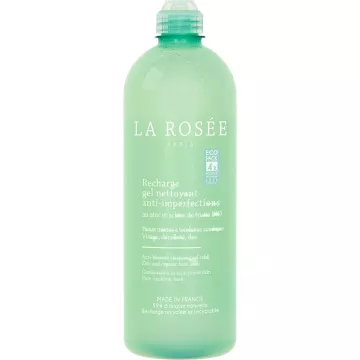
- Cleanse morning and evening with a syndet or a gel with a pH close to 5.5, possibly enriched with salicylic acid (cosmetic grade, max 2% according to EC 1223/2009) or a low dose of glycolic acid.
- Targeted serum containing validated active ingredients: salicylic acid, niacinamide, zinc PCA, and cosmetic-grade azelaic acid. Introduce only one active ingredient at a time.
- Benzoyl peroxide (2.5% to 5%) applied to specific areas as advised by a pharmacist or by prescription, depending on the concentration. Photosensitizing; bleaches fabrics and bedding; may cause initial irritation.
- Light, non-comedogenic moisturizer, in gel or fluid form: essential, even for oily skin, as dehydrated skin can increase sebum production.
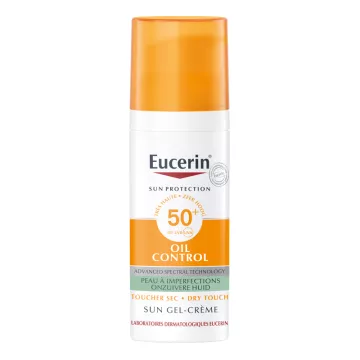
- SPF 30 to 50 sun protection in the morning, with a non-comedogenic fluid texture, year-round.
- Always remove makeup in the evening; double-cleanse if using long-wear makeup or water-resistant SPF.
- Do not use strong active ingredients simultaneously (AHAs + BHAs + retinoids + benzoyl peroxide), as this can damage the skin barrier.
What foods should you prioritize or avoid for acne-prone skin?
Diet has a moderated effect on acne, as shown in several studies:
- High-glycemic-index foods (added sugars, sodas, pastries, ultra-processed foods): may worsen acne in some people (due to their effect on insulin levels and IGF-1).
- Dairy products (especially skim milk): associated with a possible worsening of symptoms in several studies, with varying effects depending on individual profiles.
- Omega-3s (fatty fish, nuts, flaxseeds, canola oil): have a beneficial effect on systemic inflammation.
- Zinc (seafood, lean meats, nuts, seeds): beneficial in cases of confirmed deficiency.
- Antioxidants (fresh fruits and vegetables, polyphenols, vitamins A, C, and E): generally beneficial effect on skin quality.
Empirical elimination of certain foods is not recommended, particularly in children and adolescents (risk of deficiencies). Consulting a doctor or dietitian allows for a personalized approach.
What role does hydration play in the treatment of acne?
Hydration is an often-overlooked pillar of care for acne-prone skin:
- A lightweight, non-comedogenic moisturizer in gel or fluid form: supports the skin barrier and limits reactive sebum production when the skin is dehydrated.
- Internal hydration throughout the day, according to individual needs (water does not “detoxify” the skin—detoxification is carried out by the liver and kidneys).
- Well-tolerated hydrating ingredients: hyaluronic acid, glycerin, panthenol (vitamin B5), allantoin, and ceramides in appropriate formulations.
- Avoid heavy, occlusive formulas (thick layers of petroleum jelly, heavy mineral oils, and certain highly comedogenic plant oils such as unfractionated coconut oil).
What are the latest developments in dermatological treatments for acne?
Recent developments have opened up several avenues that complement traditional treatments:
- LED light therapy (blue light ~415 nm targeting *Cutibacterium acnes*, anti-inflammatory red light): used as an adjunct for mild to moderate acne.
- Lasers (intense pulsed light, KTP laser, fractional lasers for scars): as indicated by a dermatologist.
- Photodynamic therapy in a specialized clinic for certain resistant forms.
- Topical probiotics and postbiotics: emerging research on the balance of the skin microbiome; first cosmetic applications now available.
- Stabilized topical active ingredients (tranexamic acid, peptides, high-concentration niacinamide) in modern formulations.
- Anti-cytokine biotherapies: being evaluated for severe inflammatory forms; still under development.
Can makeup products worsen acne?
Yes, certain cosmetics can worsen acne (cosmetic acne):
- Comedogenic ingredients: heavy mineral oils, certain highly comedogenic plant oils (unfractionated coconut oil, cocoa butter), thick waxes, lanolin.
- Occlusive silicones applied in repeated thick layers.
- Thick pigments in foundation used in excessive amounts without proper makeup removal.
Opt for products labeled “non-comedogenic” and dermatologically tested, in lightweight or mousse textures. Some foundations for acne-prone skin contain active ingredients (salicylic acid, niacinamide) that can complement your skincare routine without replacing it. Always remove makeup in the evening and clean your brushes and sponges regularly (warm water + mild soap, then let them dry completely).
How do hormonal fluctuations affect acne-prone skin?
Hormonal fluctuations influence sebum production through androgens:
- Puberty: increased sebum secretion.
- Menstrual cycle: frequent premenstrual breakouts.
- Pregnancy and postpartum: significant fluctuations.
- Menopause: hormonal fluctuations that can worsen preexisting acne or trigger late-onset acne.
- Polycystic ovary syndrome (PCOS): should be considered in adult women with persistent acne associated with irregular periods, hirsutism, or androgenetic alopecia—an endocrine workup is then indicated.
- Certain medications (corticosteroids, anabolic steroids, progestins with androgenic effects, lithium) may contribute to acne.
Hormonal treatments for dermatological conditions (certain oral contraceptives, spironolactone for specific indications) require a doctor’s prescription following an assessment of contraindications and individual risks.
How are acne scars treated?
Several types of acne scars may benefit from specific treatments:
- Superficial scars and post-inflammatory hyperpigmentation: superficial chemical peels (glycolic, salicylic, mandelic), niacinamide, topical vitamin C, azelaic acid, retinoids (cosmetic or prescription-only). Hydroquinone is prohibited in depigmenting cosmetics in the European Union (Annex II of Regulation (EC) No. 1223/2009).
- Depressed scars: microneedling in a medical office, non-ablative fractional lasers (1540, 1550 nm) or ablative lasers (CO₂, Erbium), subcision, hyaluronic acid fillers for certain round scars.
- Hypertrophic or keloid scars: intralesional corticosteroid therapy, silicone sheets, targeted cryotherapy, and vascular laser treatment as indicated.
Active acne must be controlled before treating the scars. Strict sun protection is essential during and after procedures, particularly for skin types IV through VI, where the risk of post-inflammatory hyperpigmentation is higher.
How important is pH in the care of acne-prone skin?
The surface skin pH is slightly acidic (≈ 4.5 to 5.5); it contributes to the balance of the skin microbiome and barrier function. Several principles follow from this:
- Choose cleansers with a pH close to 5.5 (syndets, mild gels) rather than traditional alkaline soaps.
- Avoid using pure baking soda on the skin (alkaline pH ~9, which can disrupt the skin barrier with repeated use).
- Avoid using pure lemon (very acidic pH and photosensitization caused by furocoumarins).
- Exfoliating acids (AHAs, BHAs) temporarily acidify the skin, which contributes to their keratolytic effect. The barrier quickly restores itself with a balanced skincare routine.
Does stress have an impact on acne?
Yes, stress is a recognized aggravating factor:
- The secretion of cortisol and other stress hormones can stimulate sebum production and exacerbate skin inflammation.
- Stress affects sleep, which is itself important for skin regeneration.
- Repetitive behaviors (touching the face, scratching, squeezing lesions) are often associated with anxiety.
Helpful strategies: regular physical activity, adequate sleep, breathing techniques (cardiac coherence), mindfulness meditation, sophrology, yoga, and psychological counseling in cases of significant distress. Acne has a proven impact on self-esteem, particularly during adolescence: don’t hesitate to discuss it with a doctor, dermatologist, or psychologist if it affects your daily life. See also “pimples” and “blackheads” for targeted approaches.