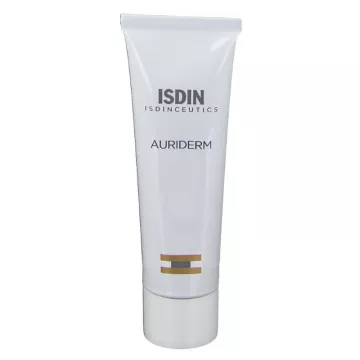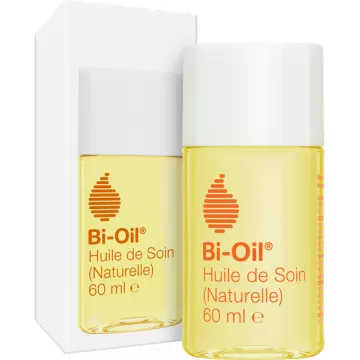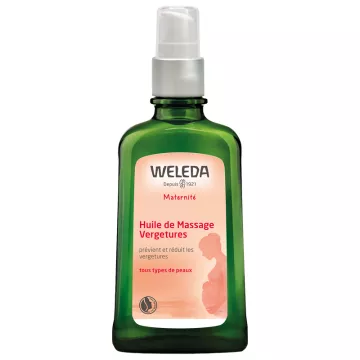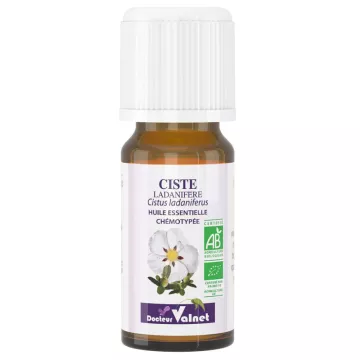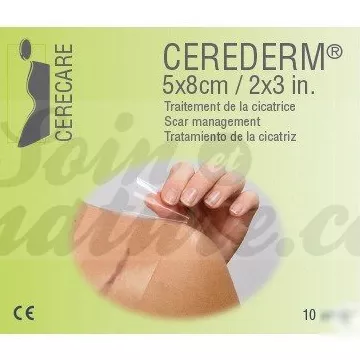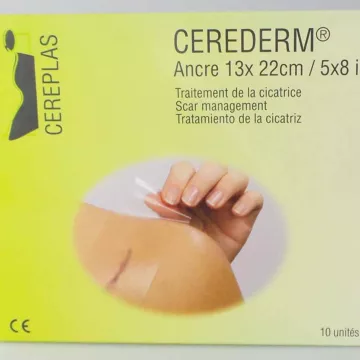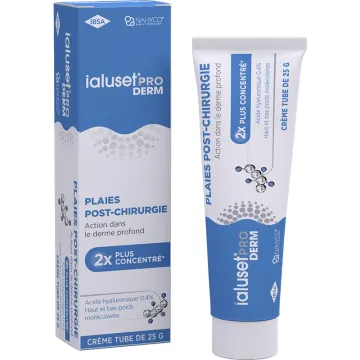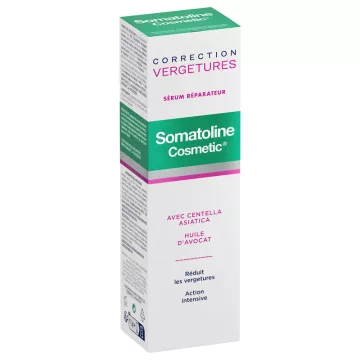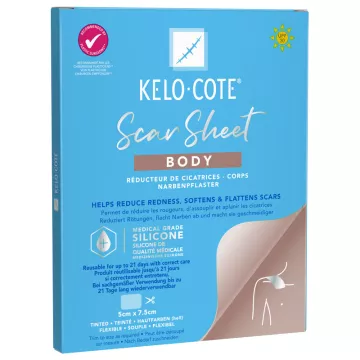

A scar is the fibrous tissue that replaces normal skin after a wound has healed, whether the wound was caused by an accident or surgery. This repair tissue, composed primarily of reorganized collagen, never fully regains the properties of the original skin: it is generally less elastic and lacks hair follicles and sweat glands, which explains why it often looks different from the surrounding skin.
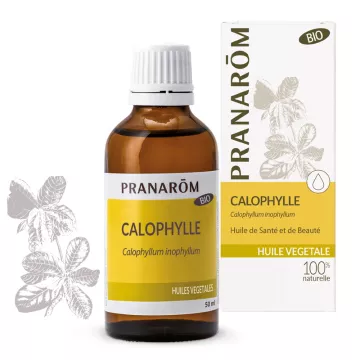
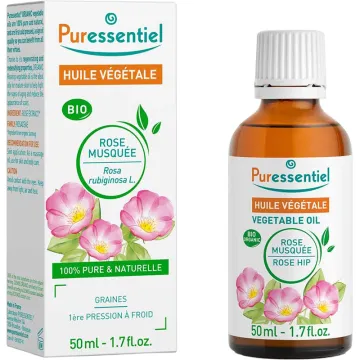
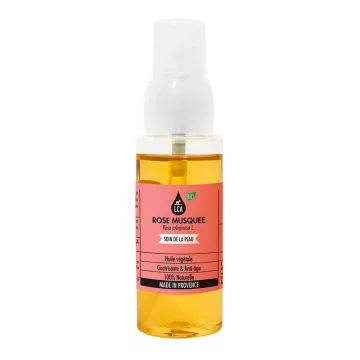
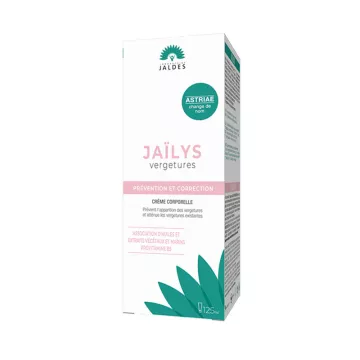
Scars are classified based on their texture and development: a normotrophic scar remains flat and inconspicuous; a hypertrophic scar forms a thick raised area but remains confined to the site of the original wound; a keloid scar extends beyond the boundaries of the original wound, and an atrophic scar, on the other hand, forms a depression, which is common after acne. Rosehip oil is traditionally used as a supplementary treatment for atrophic scars and residual marks, applied through gentle, regular massage.
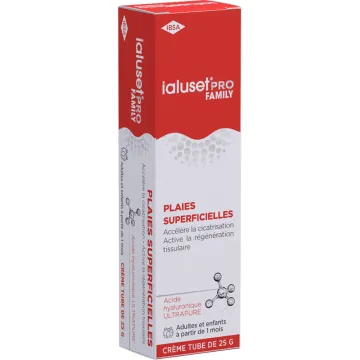
Wound healing refers to the dynamic process of skin repair, with its inflammatory, proliferative, and remodeling phases, which can last from a few weeks to several months depending on the depth of the wound. A scar, on the other hand, is the final result of this process once remodeling is complete: we refer to it as “wound healing” while the process is ongoing, and as a “scar” once the tissue has stabilized, typically 12 to 18 months after the initial injury.
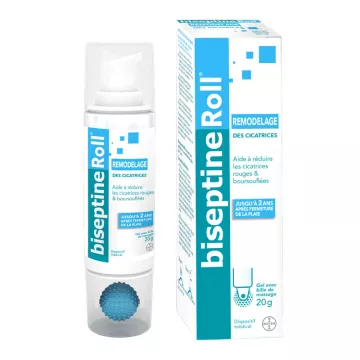
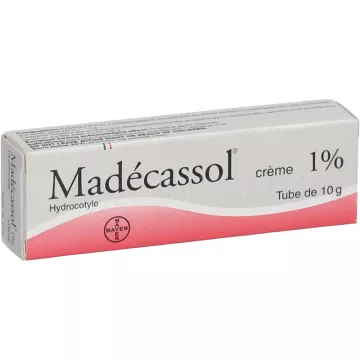
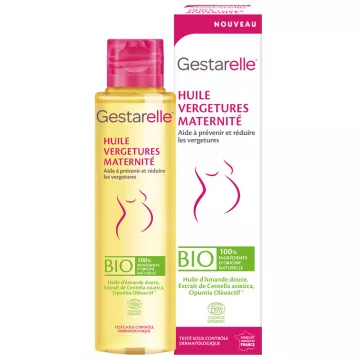
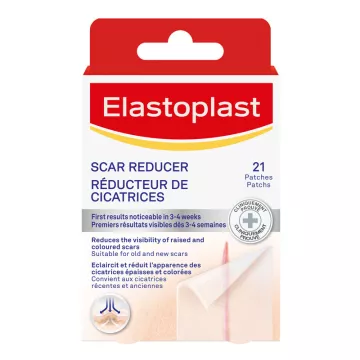
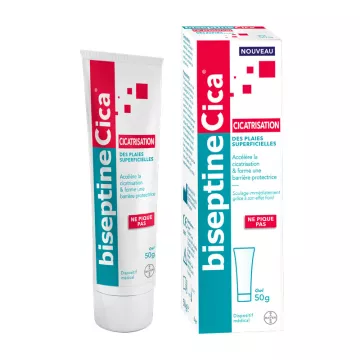
Centella asiatica is the go-to active ingredient for improving the appearance of scars by stimulating collagen synthesis and supporting the quality of the repair tissue. A daily massage lasting a few minutes on a scar that has already closed, combined with this active ingredient, also helps soften the fibrous tissue and can help visually reduce its raised appearance over the course of several weeks.
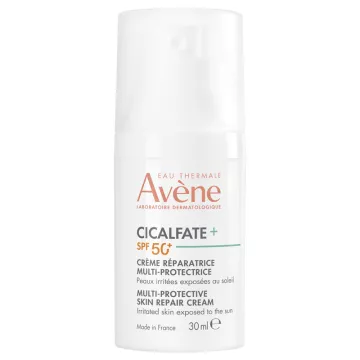
A recent scar is particularly vulnerable to UV rays, which can cause long-lasting hyperpigmentation of the scarred area, making it more visible and darker than the surrounding skin. Applying a high-SPF sunscreen to the scar for at least one year after it forms is essential for achieving the best possible cosmetic result.
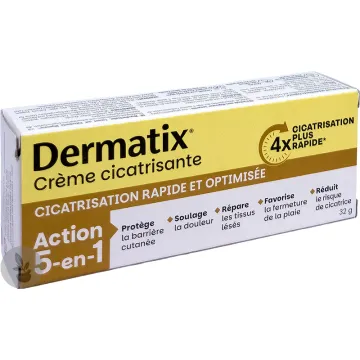
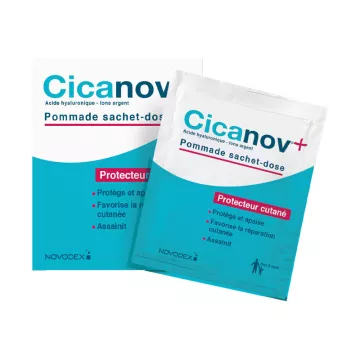
A dermatology consultation is recommended in cases of a keloid scar that continues to grow, persistent itching or pain at the scar site, or functional discomfort that limits mobility near a joint. A soothingallantoin-based treatment can be used during the monitoring phase while awaiting this evaluation, though it is not a substitute for specific treatment if necessary.