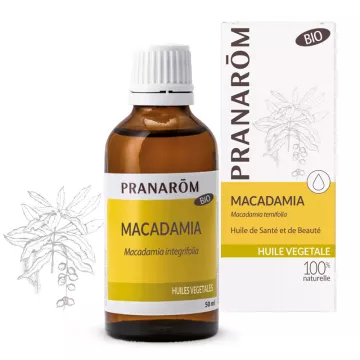
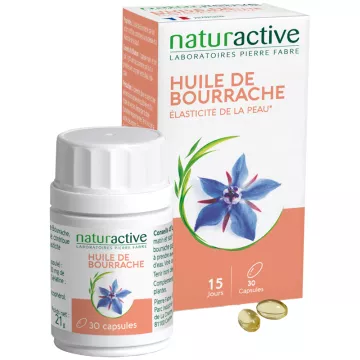
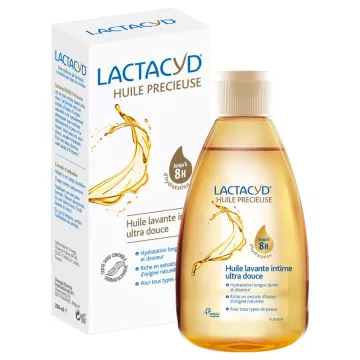
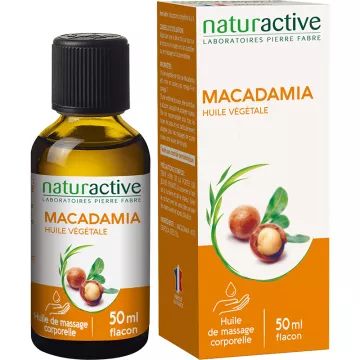
What is vegetable oil, and why is it essential?
A vegetable oil is an oil extracted by pressing seeds, nuts, fruits, or oil-bearing plants. Naturally rich in essential fatty acids (omega-3, 6, and 9), vitamins, and antioxidants, it is used in both cosmetics and nutrition. Known for its moisturizing, protective, and soothing properties, it is a true ally for daily skin and hair care and overall well-being.
What are the main benefits of vegetable oils?
A natural moisturizer for the skin
- It nourishes and strengthens the skin barrier, which helps prevent dryness and discomfort.
- It provides long-lasting hydration, making it particularly suitable for dry and sensitive skin.
- It soothes redness and tightness associated with reactive or dehydrated skin.
Antioxidant support against skin aging
- It contains vitamins A, E, and C, which neutralize free radicals and preserve the skin’s radiance.
- It supports skin suppleness and firmness by supporting the skin’s natural renewal processes.
- It protects against external aggressors such as pollution and wind.
A great option for combination to oily skin
- Certain oils help balance sebum production, making them ideal for combination and oily skin.
- They have purifying and soothing properties, which are beneficial for blemish-prone skin.
- They promote a clearer complexion by supporting superficial skin regeneration.
A nourishing and protective hair care treatment
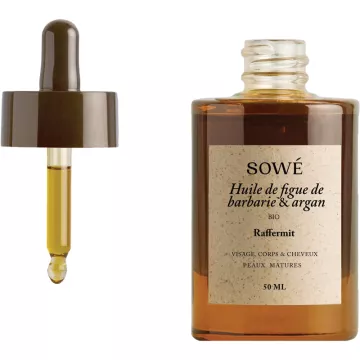
When applied to the hair, plant-based oil strengthens the hair shaft, reduces breakage, and tames split ends. It protects against external aggressors (UV rays, heat, pollution) and adds shine and suppleness to the hair. Iconic oils likeargan oil andcoconut oil are highly recommended for use as a hair mask before shampooing.
A Natural Ally for Massages and Relaxation
Plant-based oils spread quickly across the skin’s surface, making them ideal for body or muscle massage. They help release tension and soothe the mind. They blend easily with essential oils to create a personalized blend tailored to specific needs (relaxation, energy, muscle recovery).
A Valuable Source of Nutrients
- They provide essential fatty acids, which are beneficial for cardiovascular health and the nervous system.
- It contributes to a healthy lipid balance in the body.
- It contributes to a varied diet by providing high-quality fats.
A kitchen staple for a balanced diet
On the plate, vegetable oil provides omega-3 and omega-6 fatty acids, which are essential for the body’s proper functioning. Depending on its lipid profile, it lends itself to different uses: raw (flaxseed, walnut, hazelnut, camelina) or for cooking (olive, canola, coconut). It enriches salad dressings, slow-cooked dishes, and toast with a subtle, natural flavor.
How can you incorporate vegetable oil into your daily routine?
Face and Body Care
- Apply with a gentle massage, morning and night, to slightly damp skin to maximize hydration.
- Add a few drops to a cream or serum to personalize your body care routine.
- Use as a makeup remover to gently dissolve makeup and impurities.
Hair and Scalp Care
- Apply as an oil treatment before shampooing to nourish and tame the hair.
- Mix it into a hair mask to enhance its revitalizing effect.
- Apply a small amount to dry ends as a finishing touch to protect and smooth.
Cooking
- Choose oils suitable for cooking (olive, canola, coconut) and others reserved for raw seasoning (flaxseed, walnut, hazelnut).
- Add to salads, stews, or salad dressings for a source of healthy fats.
- Olive oil remains the most versatile option, whether used raw or for moderate cooking.
What precautions should you take with vegetable oil?
- Check for compatibility with your skin type: some oils (coconut, wheat germ) can be comedogenic on acne-prone skin.
- Do not overheat sensitive oils (flaxseed, walnut, camelina), as they oxidize when heated and lose their nutritional value.
- Store in a cool, dry place away from light, ideally in an opaque bottle.
- Choose virgin oils from organic farming to avoid pesticide residues and extraction solvents.
- If you are pregnant, breastfeeding, or have a progressive skin condition, consult a healthcare professional before using the product extensively.
How do you choose a high-quality vegetable oil?
- First-cold-pressed extraction, which guarantees a pure oil rich in active compounds.
- Organic certification (AB, Ecocert, Cosmos labels) ensures production without solvents or chemical additives.
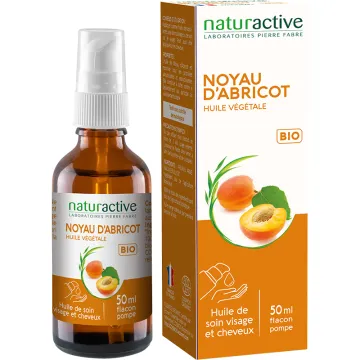
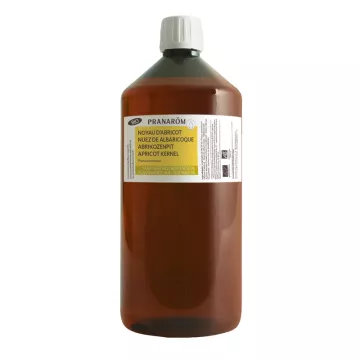
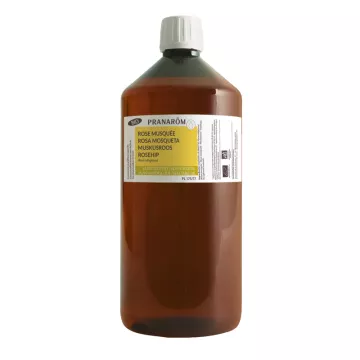
- Packaged in an opaque or amber bottle, which protects the fatty acids from light-induced oxidation.
- Traceable origin and supply chain, with clear indication of the Latin botanical name and country of harvest.
- Clearly legible expiration date and lot number, indicating that the product complies with good manufacturing practices.
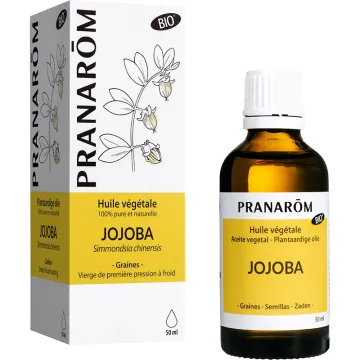
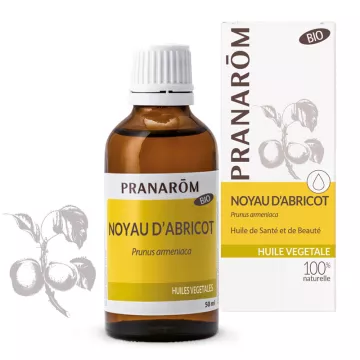
Vegetable oils come in many varieties for cosmetic use (argan, jojoba, calophyllum, apricot, rice bran) and for food (olive, canola, flaxseed, walnut), each with its own fatty acid profile and recommended uses. When chosen wisely, a vegetable oil can become a lasting part of a natural skincare routine—from face and hair care all the way to the dinner table.