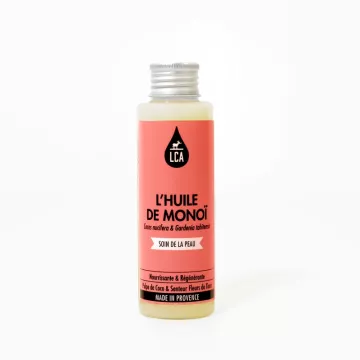
What is coconut oil, and what are its properties?
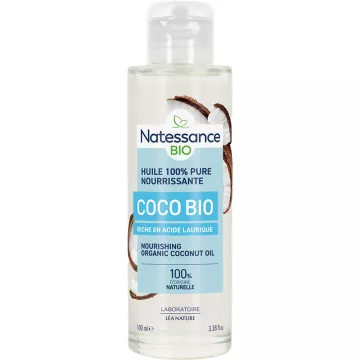
Coconut oil is a vegetable oil extracted by cold-pressing the pulp of the coconut (Cocos nucifera). Its composition—dominated by medium-chain saturated fatty acids (lauric acid 45–50%, myristic acid, palmitic acid) and medium-chain triglycerides (MCTs)—gives it nourishing, film-forming, and antimicrobial properties when used in cosmetics. It is available in the store on the coconut oil product page and in the body care line.
- Lauric acid: the main active ingredient—documented antibacterial and antifungal activity in vitro (particularly against Staphylococcus aureus and Candida albicans)—but its mechanism of action is primarily surface-level—it does not replace medical antifungal treatment
- Medium-chain saturated fatty acids: rapidly metabolized into energy by the liver (via the ketone body pathway)—stored to a lesser extent than long-chain fatty acids—have film-forming and occlusive properties when used in cosmetics (protection of the skin barrier)
- Natural antioxidants (tocopherols, polyphenols): protection against oxidative stress—greater heat stability than unsaturated oils (smoke point: 175–200 °C for virgin oil)
- Two forms: solid below 24 °C (melt-in-the-mouth butter-like texture) — liquid above that temperature — no additives or stabilizers in the cold-pressed virgin version
What are the benefits of coconut oil for skin and hair care?
- Skin hydration and nourishment: forms an occlusive film that limits transepidermal water loss (TEWL) — nourishes dry skin and hyperkeratotic areas (heels, elbows) — apply after showering to slightly damp skin to optimize absorption — see products for dry hands
- Lip and sensitive area care: natural balm for chapped lips — protects and nourishes cuticles — apply at night under cotton socks for cracked heels
- Natural makeup remover: dissolves waterproof makeup (mascara, long-wear foundation) — leaves skin nourished without an excessive residue — rinse with lukewarm water after application
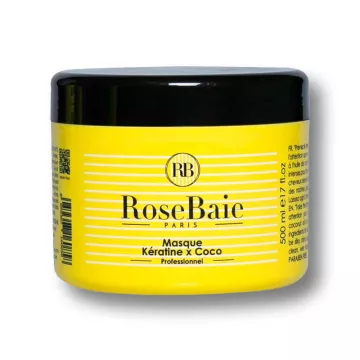
- Hair care: pre-shampoo mask (30 min to 1 hr) for dry and damaged hair — reduces protein loss during washing (Rele & Mohile study, 2003) — applied as a finishing serum to the ends to reduce split ends — use sparingly on fine hair (may weigh it down)
- Blemish-prone skin — Caution: Coconut oil is potentially comedogenic (rating 4/5) — Not recommended as a facial treatment for acne-prone or oily skin — Better tolerated on the body and scalp
How to use coconut oil for personal care and cooking?
- Oil pulling (oral hygiene): Swish coconut oil in your mouth for 10 to 15 minutes in the morning on an empty stomach—lauric acid reduces the bacterial load in the mouth (Streptococcus mutans) according to preliminary studies — rinse with clean water afterward — does not replace brushing and flossing — see the oral hygiene line
- Topical (superficial) antifungal use: apply to skin affected by a mild fungal infection, as a supplement to antifungal treatment—mild properties documented in vitro—see the fungal infections line—not a first-line treatment and does not replace prescription antifungals
- Cooking: substitute for butter in baking and sautéing — smoke point 175–200 °C (virgin oil)—light, exotic flavor—medium-chain triglycerides (MCTs) are metabolized quickly—consume in moderation due to the high saturated fat content (ANSES recommendations)
- Choose high-quality coconut oil: virgin, unrefined, cold-pressed—preferably organic—packaged in a glass jar or opaque bottle—fresh coconut scent (never rancid)—white/slightly translucent color at room temperature