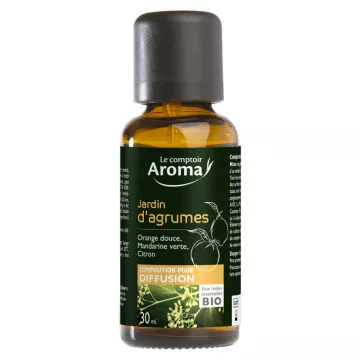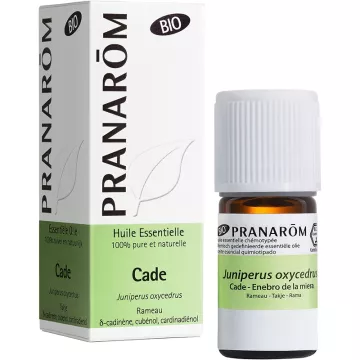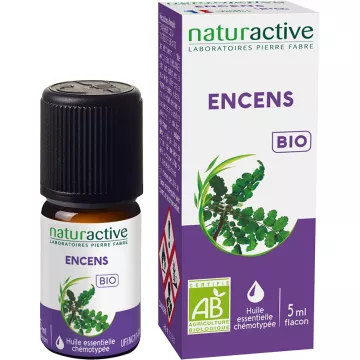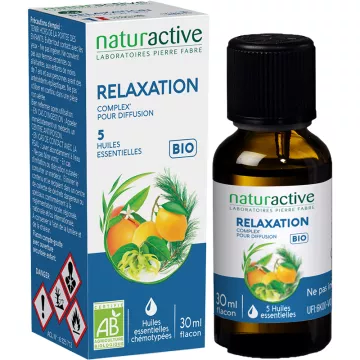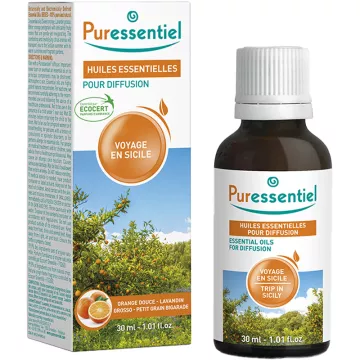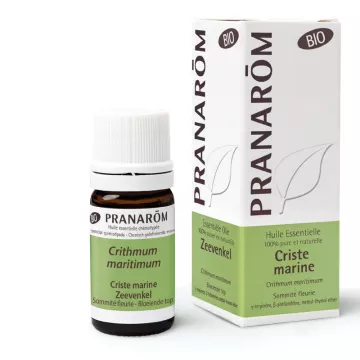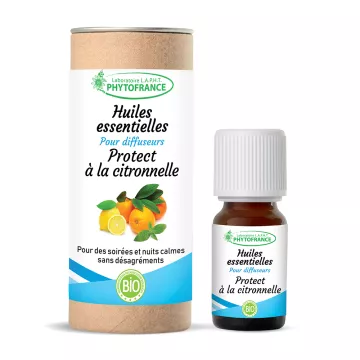
The quality of an essential oil depends on several criteria that every informed buyer should check. The label of a high-quality essential oil must include: the full botanical name (genus, species, and variety), the chemotype (CT) if applicable (e.g., thymol-type thyme ≠ linalool-type thyme), the source plant part, the country of origin, the production method (ECOCERT- or Cosmébio-certified organic), the extraction method (steam distillation, cold pressing for citrus fruits), and the content of the main constituents verified by gas chromatography (GC/MS). The HEBBD (Botanically and Biochemically Defined Essential Oil) and HECT (Chemotyped and Total Essential Oil) labels guarantee botanical identity and chemical composition. Niaouli (Melaleuca quinquenervia CT 1,8-cineole) illustrates the importance of chemotype—the same tree produces radically different essential oils depending on the geographic region.
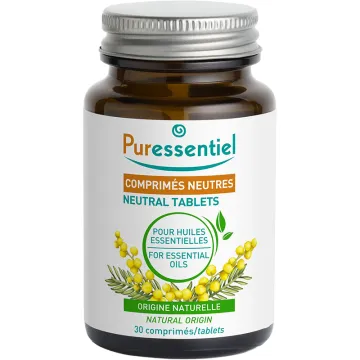
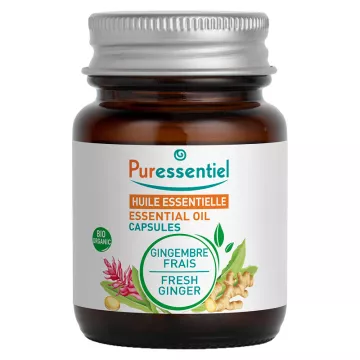
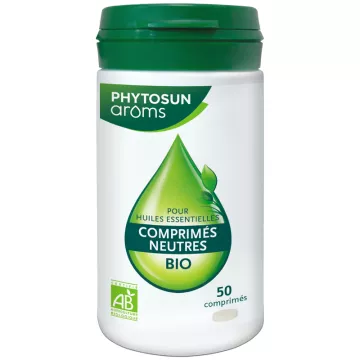
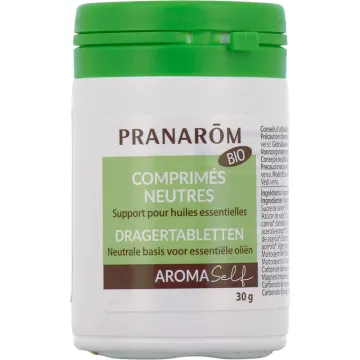
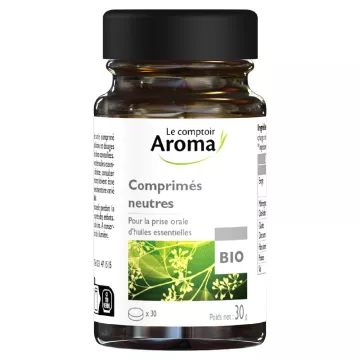
Each route of administration has distinct bioavailability and risk profiles. The olfactory route (diffusion, inhalation via a handkerchief or inhaler) is the most accessible and safest—it provides rapid access to the limbic system without significant systemic exposure. Diluted topical application (2–5% in a vegetable oil) allows for slow transdermal absorption—always use a dilution; never apply undiluted essential oil to bare skin (risk of chemical burns or allergic sensitization). Oral administration via neutral tablets or capsules (ginger, lavender, thyme, oregano) offers the highest systemic bioavailability—to be reserved for adults, for short courses of treatment (5 to 10 days maximum), and always under the guidance of a healthcare professional trained in aromatherapy.
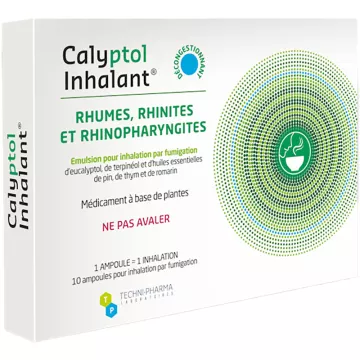
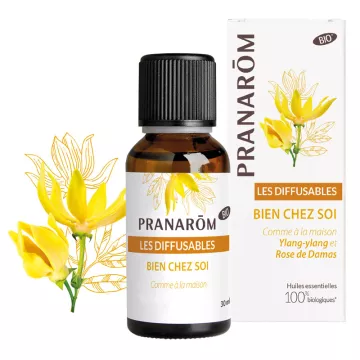
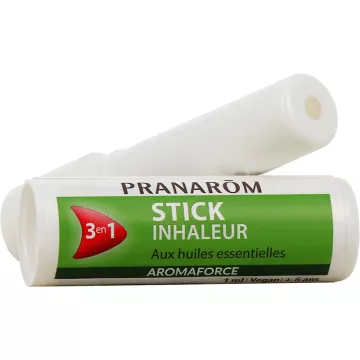
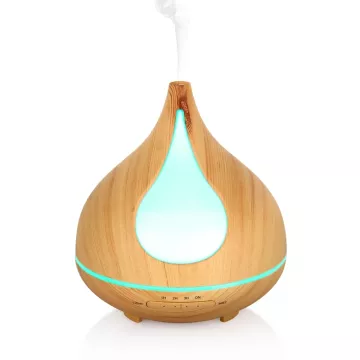
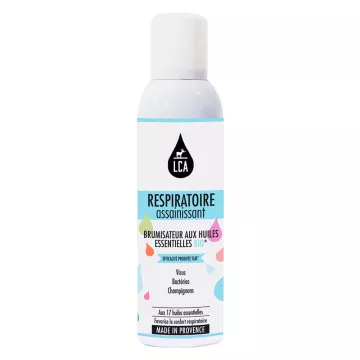
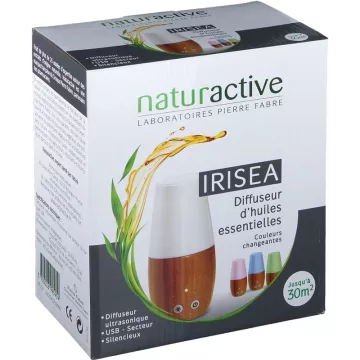
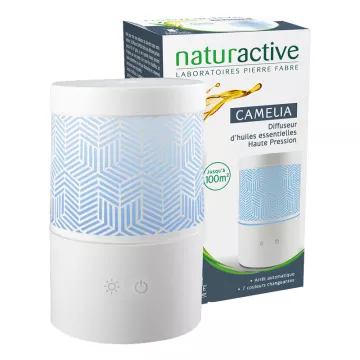
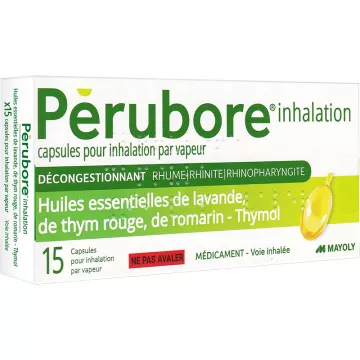
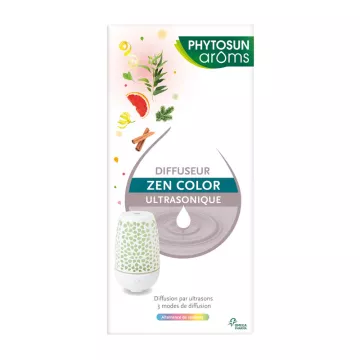
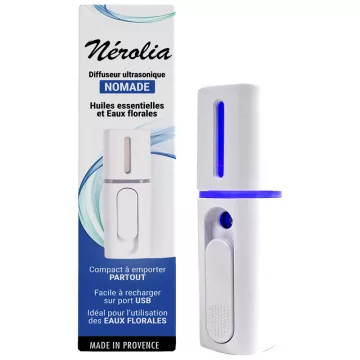
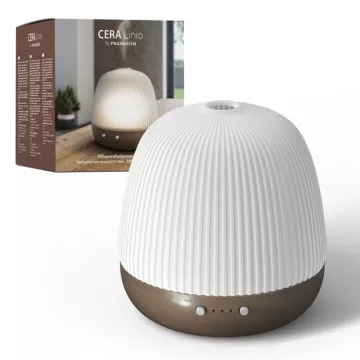
Nasal inhalers (inhaler sticks, Pérubore ampoules, Calyptol) allow for concentrated and targeted inhalation, ideal for acute ENT conditions (colds, sinusitis, nasal congestion) requiring a high concentration of 1,8-cineole (eucalyptus, niaouli). Ultrasonic diffusers disperse microdroplets of essential oils at room temperature, preserving heat-sensitive active ingredients—suitable for relaxation, air purification, and delicate essential oils (floral, citrus). Cold-air nebulizer diffusers produce more concentrated nanoparticles and are recommended for therapeutic essential oils with anti-infective properties. Steam inhalation (a bowl of hot water + 3–5 drops of essential oil, with your head covered by a towel) is effective for the respiratory tract but contraindicated in cases of asthma.
Common oregano essential oil (Origanum vulgare, 60–80% carvacrol) is one of the most potent antibacterial agents in the aromatic pharmacopoeia—effective against a broad spectrum of bacteria and fungi (Candida albicans). Essential precautions include:
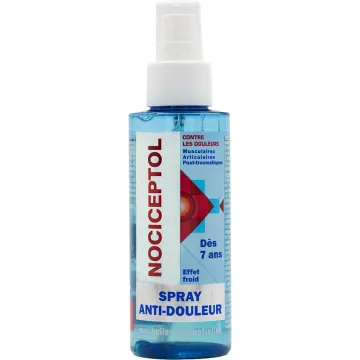
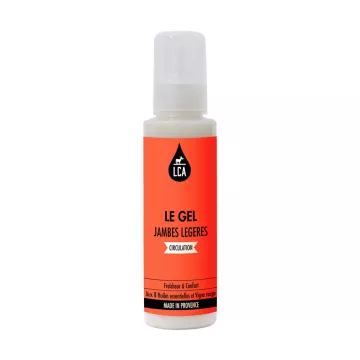
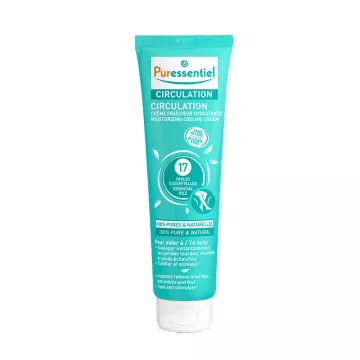
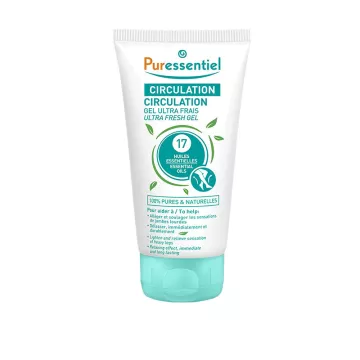
Circulation gels with essential oils (multi-essential oil formulas including peppermint, wintergreen, cypress, and lemon eucalyptus) provide a cooling effect and have vasomotor and venolymphatic decongestant properties. Menthol activates the TRPM8 cold receptors in the skin, creating a sensation of lightness. Cypress (α-pinene, δ-3-carene) exerts a local venotonic effect. Applying it with an upward massage (ankle → knee → thigh) enhances venous return. The essential oil pain-relief spray (wintergreen + wintergreen + camphor) is recommended for mild to moderate muscle pain due to its counter-irritant effect.
Tea tree (Melaleuca alternifolia, with terpinene-4-ol as the dominant component at 30–40%) is one of the most versatile and safest essential oils in modern aromatherapy. Its antibacterial (Gram-positive and Gram-negative), antifungal (Candida, dermatophytes), and antiviral properties make it a first-line active ingredient for anti-infective respiratory inhalers, antiseptic skin gels and balms, and air-purifying formulations. When diluted to 5% in a carrier oil, it is well tolerated when applied topically to small wounds, skin blemishes, early-stage nail fungus, and insect bites. It belongs to the same Myrtaceae family aseucalyptus and niaouli—a family known for its anti-infective and respiratory properties. When used in a steam inhalation or with an inhaler stick, it ideally complements eucalyptus radiata for winter ENT conditions.