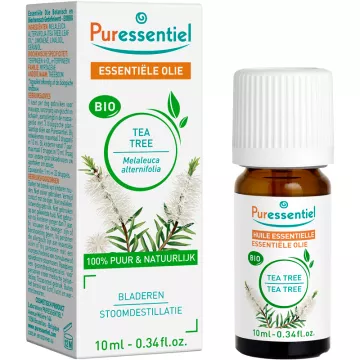
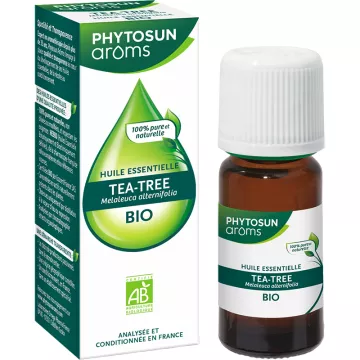
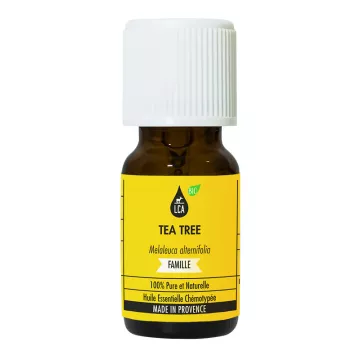
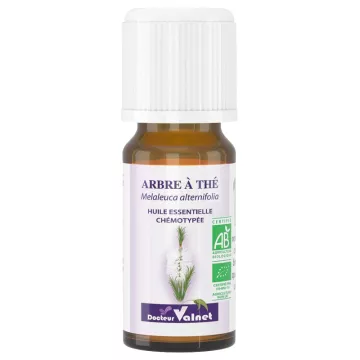
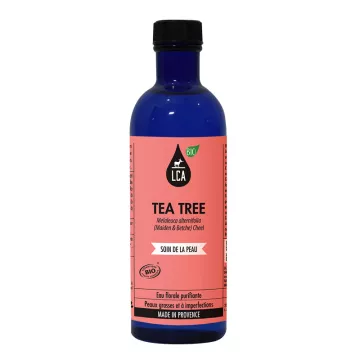
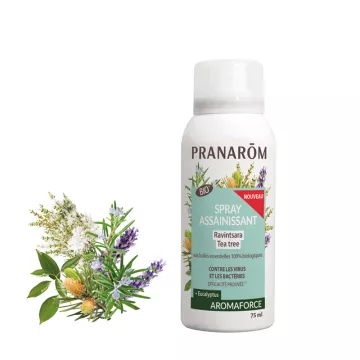
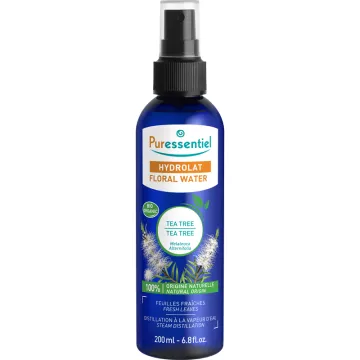
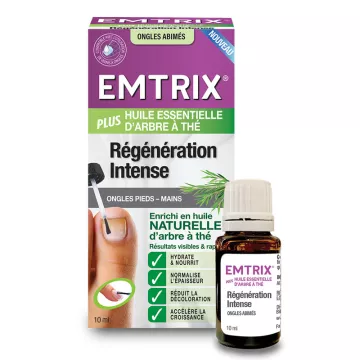
Tea tree essential oil, also known as tea tree or melaleuca, is extracted from the leaves of Melaleuca alternifolia, a shrub native to Australia. Traditionally used by Aboriginal peoples to disinfect wounds, it is now one of the most well-documented essential oils for its antibacterial, antifungal, and cleansing properties, making it a frequently cited natural alternative to conventional disinfectants for occasional topical use.
Rich in terpinene-4-ol—its primary and key active compound—tea tree oil exerts broad-spectrum antibacterial action and has recognized antifungal activity against several common skin fungi. This dual action explains its traditional use on superficial infected wounds, as a supplement to—and not a replacement for—standard antiseptic treatments.
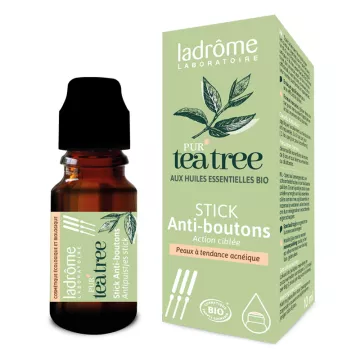
Diluted to 1–5% in a vegetable oil or neutral gel, tea tree essential oil is traditionally applied topically to developingacne breakouts to limit the bacterial growth that causes inflammation. It should never be applied undiluted to raw or severely inflamed skin, as this may further irritate the already compromised area.
Tea tree oil is traditionally used in diluted form as a topical treatment to support the management of athlete’s foot, as a complement to a prescribed antifungal treatment rather than as a replacement, particularly when the fungal infection has been confirmed by a healthcare professional.
When diluted in a neutral shampoo base, tea tree essential oil is traditionally used for its purifying effect on the scalp, particularly in cases of dandruff associated with excess sebum or a localized fungal overgrowth, as a supplement to an appropriate shampoo rather than as a standalone solution.
Tea tree oil must always be diluted before applying it to the skin and should never be used undiluted on mucous membranes. Oxidation of the oil due to prolonged exposure to air increases its allergenic potential: keep the bottle tightly closed, away from light, and do not use oil that has been open for more than 6 to 12 months. It is also sometimes recommended for pityriasis versicolor, always as a complement to appropriate medical care and never as a standalone self-treatment. A tolerance test on the inner elbow is recommended before any prolonged use.