What is an infected wound, and how can you recognize it?
An infected wound is a wound in which microorganisms (bacteria, and more rarely fungi or viruses) proliferate beyond the threshold of simple colonization, leading to a local and sometimes systemic inflammatory reaction. Several local signs may indicate an infection:
- Redness (erythema) spreading around the wound.
- Local warmth and swelling (edema).
- Increasing or disproportionate pain.
- Pus, cloudy exudate, or foul-smelling discharge.
- Delayed healing, devitalized tissue.
- Persistent bleeding.
Warning signs require immediate medical attention:
- Fever, chills, or general malaise.
- A red streak extending upward from the wound (lymphangitis).
- Painful swollen lymph nodes nearby.
- A black, purplish, or rapidly spreading wound accompanied by disproportionately severe pain—suspected **necrotizing fasciitis**: a life-threatening emergency; call 15.
- General symptoms (low blood pressure, confusion, rapid pulse, mottled skin)—suspected **sepsis**: life-threatening emergency; call 15.
What are the main causes of a wound infection?
Several microorganisms may be involved:
- Most common bacteria: *Staphylococcus aureus*, β-hemolytic streptococci (particularly Group A), *Pseudomonas aeruginosa*, enterobacteria (in hospital settings or chronic wounds).
- Resistant bacteria (MRSA, MDR): mainly in healthcare settings or with chronic wounds.
- Anaerobes (Clostridium, *Bacteroides*): deep wounds contaminated with soil or feces—particular risk of tetanus if vaccinations are not up to date.
- Less commonly, fungi (in chronic wounds or in immunocompromised patients) and viruses.
Several factors increase the risk of infection:
- Inadequate hygiene at the time of injury.
- Presence of foreign bodies, soil, feces, or saliva (bites).
- Deep, extensive, or irregularly shaped wounds.
- Delayed treatment.
- Diabetes, peripheral artery disease, venous insufficiency, malnutrition, immunosuppressive therapies, corticosteroid therapy, chemotherapy, HIV, advanced age, and smoking.
- Chronic wounds (pressure ulcers, venous or arterial ulcers, diabetic foot ulcers).
- Wounds caused by animal or human bites (polymicrobial flora).
How can an infected wound be treated effectively?
Management is based on several key principles, which should be adapted according to the severity and context:
- Cleanse the wound thoroughly with saline solution (0.9% NaCl) or potable tap water to remove debris and superficial bacteria. Hydrogen peroxide is no longer routinely recommended for use on the wound itself (it is cytotoxic to granulation tissue and delays healing).
- Debridement of devitalized tissue and foreign bodies, performed by a healthcare professional if necessary.
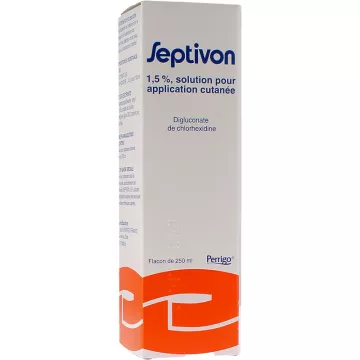
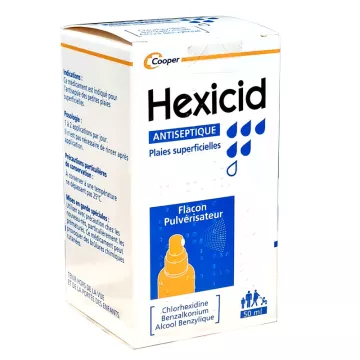
- Targetedantisepsis if indicated: aqueous chlorhexidine, povidone-iodine (Betadine—precautions for pregnant women, breastfeeding women, newborns, and patients with thyroid disorders), to be used sparingly and not as part of prolonged routine care. Rinsing is essential.
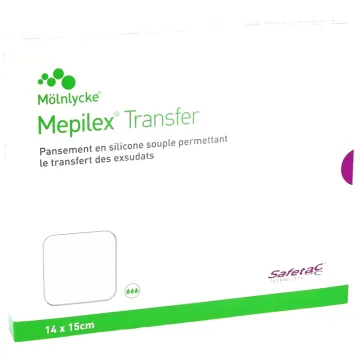
- Dressing appropriate for the wound stage: absorbent dressings for exuding wounds; hydrocolloids and alginates for exudates; foams; and silver or medical honey dressings in cases of colonization or infection. Change dressings regularly as indicated.
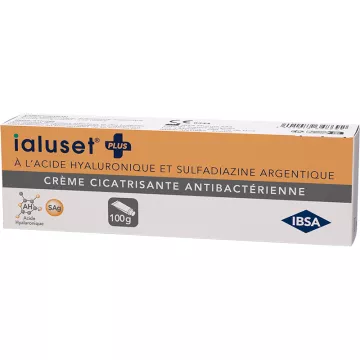
- Systemicantibiotic therapy by prescription if there are signs of confirmed infection or high risk (bite wound, compromised patient, deep wound). A bacterial culture helps determine the appropriate antibiotic. Topical antibiotic therapy alone is rarely sufficient and promotes resistance: it should be avoided as a routine measure.
- Analgesics appropriate for the intensity of the pain.
- Routineverification of tetanus vaccination status: consider a booster if the vaccination is not up to date (follow current vaccination schedule recommendations).
- Treat the underlyingcause for chronic wounds: venous compression for venous ulcers, blood glucose control for diabetic foot, etc.
Any infected wound warrants a medical consultation; self-medication with antibiotics is not appropriate.
When should you see a doctor for an infected wound?
A prompt medical consultation is recommended in the event of:
- The appearance of local signs of infection (extensive redness, warmth, increasing pain, pus, foul-smelling exudate).
- Fever, chills, or general malaise.
- A red, ascending streak (lymphangitis).
- A wound that does not heal after a few days of proper care.
- A wound in a person with diabetes, hypertension, a compromised immune system, undergoing chemotherapy, on long-term corticosteroid therapy, or taking anticoagulants (requires special attention).
- Wound in an elderly, frail, or malnourished person.
- Wound caused by an animal or human bite, or a contaminated wound (soil, feces, saliva).
- Deep, extensive, or irregularly shaped wound caused by a soiled or rusty object.
- Out-of-date tetanus vaccination status.
- Suspicion of a foreign body remaining in the wound.
- Foot wound in a diabetic patient: prompt consultation is always required.
Any sign of an emergency (a black or purplish wound that is spreading rapidly, disproportionate pain, high fever with confusion, low blood pressure, or mottling) warrants **calling 15 or 112** immediately.
How can wound infections be prevented?
Several simple steps reduce the risk of infection:
- Hand hygiene before and after care (washing with soap and water, or using a hydroalcoholic hand rub on clean, dry skin).
- Immediately clean any wound with clean water and mild soap.
- Cover the wound with an appropriate sterile dressing.
- Change the dressing regularly and monitor for signs of infection.
- Check and update tetanus vaccination status.
- Avoid direct contact with the wound without first washing your hands.
- Quit smoking (impaired wound healing); maintain a balanced diet and stable blood sugar levels for people with diabetes.
- Increased monitoring for at-risk individuals (those with diabetes, hypertension, or immunosuppression).
- Disinfect potentially contaminated objects (scissors, forceps, surfaces) with 70% isopropyl alcohol.
- Have a biting animal examined by a veterinarian and report the bite to a medical professional.
What innovations are there in the treatment of infected wounds?
Several recent developments are expanding the therapeutic arsenal:
- Controlled-release antiseptic dressings (silver, PHMB, chlorhexidine).
- Dressings containing certified medical-grade honey (Medihoney, Revamil): sterilized medical devices clinically validated for wound healing. These should not be confused with edible honey (which is non-sterile and not recommended for use on wounds).
- Negative pressure therapy (VAC) for complex wounds in a hospital setting.
- Maggot therapy (sterile maggots) for certain chronic sloughy wounds, as prescribed by a specialist.
- Bioactive dressings containing growth factors, hyaluronic acid, and collagen.
- Photobiomodulation and LED: clinical benefits currently under evaluation.
- Cultured skin grafts and dermal substitutes for very extensive wounds (particularly burns).
- Faster microbial identification (multiplex PCR) to guide antibiotic therapy.
- Monitoring of bacterial resistance and programs for the appropriate use of antibiotics.
What types of wounds can become infected?
All wounds have the potential to become infected; however, certain types present a higher risk:
- Traumatic wounds: cuts, abrasions, wounds caused by blunt or sharp objects, gunshot wounds, and hook wounds.
- Wounds contaminated with soil, feces, saliva (bites), or organic matter.
- Animal or human bite wounds: polymicrobial flora; antibiotic prophylaxis is often indicated according to guidelines.
- Surgical wounds: risk varies depending on the type of wound and the patient’s condition.
- Extensive or deepburns.
- Chronic wounds: pressure ulcers, venous ulcers, arterial ulcers, diabetic foot ulcers, mixed leg ulcers.
- Penetrating wounds (nails, deep splinters) with a particular risk of tetanus and anaerobic infection.
- Wounds occurring in aquatic environments (rivers, stagnant water, the sea): specific risks (atypical mycobacteria, *Vibrio*).
How do dressings help prevent infection?
Modern dressings play a key role in wound healing:
- Mechanical protection against external contamination.
- Maintenance of a moist environment that accelerates healing (the concept of moist wound healing, validated since the 1960s).
- Absorption of exudate as needed (alginates, hydrofibers, foams).
- Targetedantimicrobial action for impregnated dressings (ionic silver, PHMB, chlorhexidine, medical-grade honey).
- Comfort upon removal (non-adherent silicone interfaces) and minimized pain during dressing changes.
- Adaptation to different stages: debridement, granulation, and epithelialization.
The choice of dressing is based on an assessment by a healthcare professional (physician, nurse) according to the type of wound, its exudate, the tissues present, and the patient’s overall condition. Private practice nurses play a central role in the management of chronic wounds. See also “Wound Healing ” for an overview.
Can natural remedies be used on an infected wound?
Some approaches are being studied, but they are never a substitute for medical care in cases of infection:
- Certifiedmedical honey (sterilized medical device, such as Medihoney or Revamil): robust clinical data on wound healing and colonized wounds. This must be strictly distinguished from edible honey (which is non-sterile and not recommended for open wounds).
- Lavender or tea tree hydrosol applied as a cool compress to a superficial wound that is not infected and has no deep tissue damage: reported to have a soothing effect, though clinical data is limited.
Should not be used on infected or deep wounds:
- Pure or minimally diluted essential oils: risk of irritation, delayed healing, contamination, and contact allergy.
- Garlic, onion, undiluted lemon juice, vinegar: harsh on tissues, with no proven benefit.
- Toothpaste, yeast, talcum powder, flour: Internet remedies with no proven effectiveness; carry a risk of secondary infection.
- Repeated application of hydrogen peroxide to granulation tissue (cytotoxic).
If in doubt, ask a pharmacist for advice or consult a doctor.
What role do antibiotics play in treatment?
Antibiotics are essential in cases of confirmed or highly probable bacterial infection, but their use must be carefully managed:
- **Systemic antibiotics** (oral or intravenous): indicated in cases of signs of confirmed infection (local and systemic), high risk (bite wound, compromised patient), a chronic infected wound, dermo-hypodermitis, or sepsis. Selection should be guided by guidelines and, ideally, by a bacteriological culture.
- **Topical antibiotics**: their routine use is now limited (low penetration, selection of resistant strains, potential for sensitization). To be reserved for specific indications by prescription.
- **Antiseptics** (aqueous chlorhexidine, povidone-iodine): occasional, short-term use, followed by rinsing. Precautions: Avoid polyvidone-iodine in pregnant women beyond the first trimester, breastfeeding women, newborns, and in cases of thyroid dysfunction.
- **Proper use of antibiotics**: adhere to the prescribed duration of treatment, do not self-medicate, do not share medication, and report any known allergies.
- Specific resistance to monitor: MRSA, MDR (multidrug-resistant bacteria), particularly in the context of repeated treatment.
How does nutrition affect wound healing?
An appropriate diet supports wound healing and resistance to infection:
- Adequate protein intake: essential for collagen synthesis and tissue regeneration (1.2 to 1.5 g/kg/day during active healing, according to recommendations). Sources: lean meats, fish, eggs, legumes, dairy products.
- Vitamin C: an essential cofactor for collagen production. Sources: citrus fruits, kiwi, berries, green vegetables, bell peppers.
- Zinc: involved in cell proliferation, innate immunity, and wound healing. Sources: seafood, meats, nuts, seeds, legumes.
- Vitamin A: epithelialization. Sources: liver, carrots, sweet potatoes, egg yolk.
- Vitamin D: plays a role in immunity; levels are often insufficient.
- Iron: transports oxygen to tissues; monitor levels in cases of anemia.
- Regularhydration throughout the day.
In cases of chronic wounds (bedsores, ulcers), malnutrition, or in older adults, a formalized nutritional monitoring program may be recommended. Quitting smoking significantly improves wound healing.