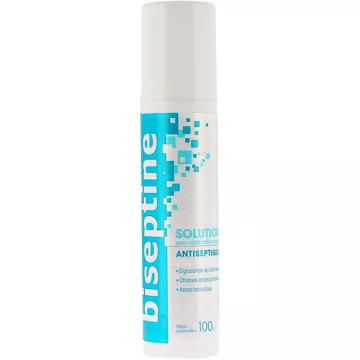
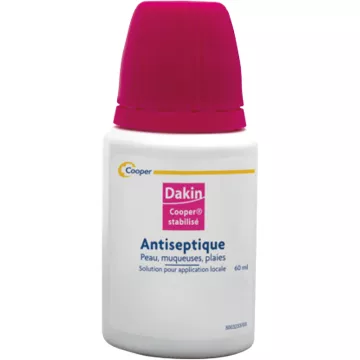
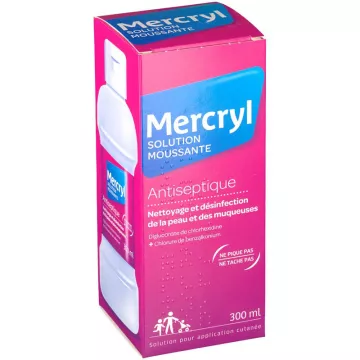
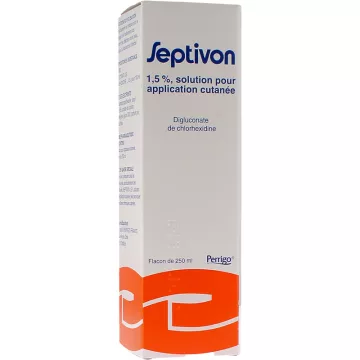
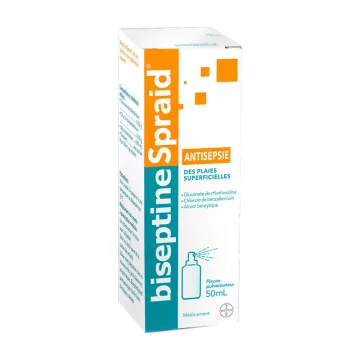
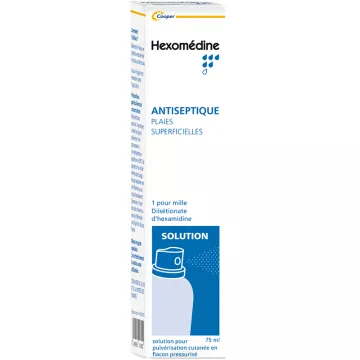
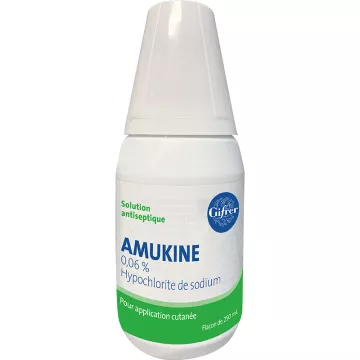
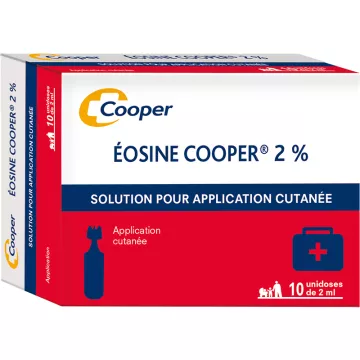
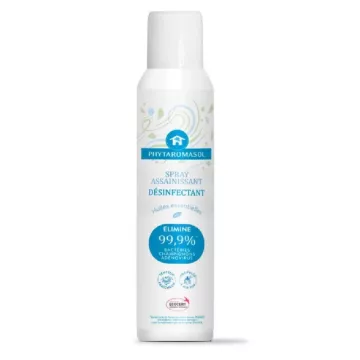
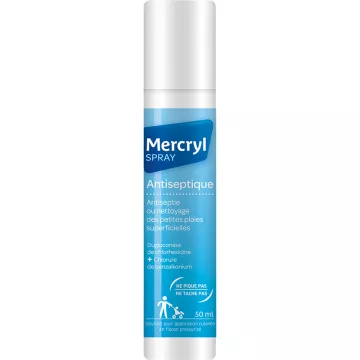
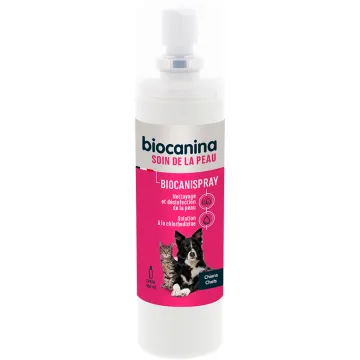
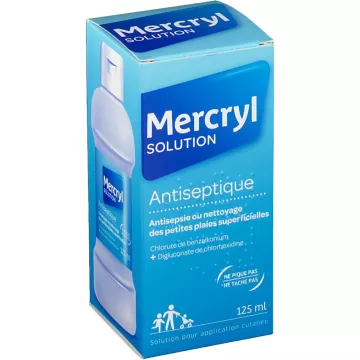
A disinfectant solution is a liquid biocide designed to reduce or eliminate pathogenic microorganisms present on inanimate surfaces—such as countertops, medical equipment, kitchen appliances, and hospital surfaces. It differs from an antiseptic in that it is used exclusively on non-living surfaces: disinfectant solutions contain concentrations of active ingredients that are too high to be applied to the skin or mucous membranes without risk of irritation or toxicity. Disinfectant and antiseptic solutions are available in the store’s disinfectants and antiseptics section.
The main active ingredients found in commercially available disinfectant solutions are:
The choice of a disinfectant solution depends on the context of use. For food-contact surfaces (kitchen, refrigerator), choose a solution approved for indirect food contact, either rinse-free or requiring rinsing as directed—diluted hypochlorite or certified quaternary ammonium compounds. For medical equipment or high-traffic surfaces during periodsof viral outbreaks, prioritize a product certified to the EN 14476 (virucidal) or EN 1276 (bactericidal) standards. Certification of compliance with the European Biocidal Products Regulation (BPR) guarantees the product’s effectiveness and safety.
Two common mistakes compromise the effectiveness of disinfectant solutions: failing to clean the surface before disinfection (organic residues neutralize the active ingredients) and not adhering to the contact time specified by the manufacturer. This contact time—often 1 to 5 minutes depending on the product—is essential for the solution to work. For skin infections caused by contaminated equipment, thorough surface disinfection is just as important as local treatment. Wear gloves during application, ensure the area is properly ventilated, never mix bleach with vinegar or ammonia (which releases toxic gases), and store bottles away from heat and light to preserve the active ingredients—bleach, in particular, degrades rapidly when exposed to heat.
For those who wish to limit their exposure to synthetic chemical disinfectants, certain natural substances offer partial antimicrobial activity. Thymol (extracted from thyme) and eucalyptol (extracted from eucalyptus) are natural active ingredients used in certain certified disinfectant formulations—they act on the bacterial membrane and exhibit moderate antiviral activity.Lavender essential oil has documented antibacterial properties in vitro and can be incorporated into homemade cleaning solutions for everyday household use. However, these alternatives remain insufficient for high-risk environments (healthcare, commercial food service) where only certified products guarantee the documented elimination of pathogens.
From an environmental perspective, hydrogen peroxide and plant-based formulas are preferable to persistent chlorinated compounds or benzalkonium chloride, which accumulates in aquatic ecosystems. Opting for refillable concentrated formats also reduces plastic packaging. If there is any doubt about the effectiveness of a disinfectant against a specific infection—particularly during outbreaks (such asCOVID-19 and others)—refer to the recommendations of health authorities (ANSM, ECDC), which publish lists of validated virucidal products.