Bacterial skin infections cover a wide spectrum, ranging from superficial lesions to deep infections requiring antibiotic treatment. The main types are:
Human scabies (Sarcoptes scabiei), although caused by a parasite, is often classified among skin infections due to its contagious nature and similar epidemic patterns.
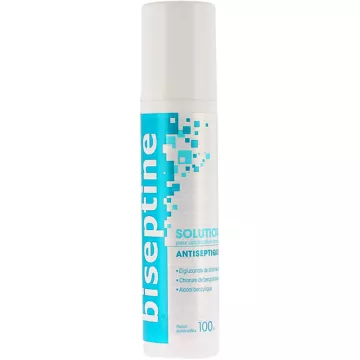
Skin antiseptics act on microorganisms present on the skin’s surface without penetrating the tissues. Chlorhexidine (0.05% to 0.5% in aqueous solution) is the standard antiseptic for superficial wounds and mild bacterial infections—it has broad-spectrum activity against Gram-positive and Gram-negative bacteria, remains effective for 4 to 6 hours, and is well tolerated. Biseptin (a combination of chlorhexidine, benzalkonium, and benzyl alcohol) is a versatile antiseptic solution used on healthy skin and mucous membranes to prevent infections around lesions. Scalp ringworm (Trichophyton, Microsporum) requires a systemic antifungal (griseofulvin) in addition to an antiseptic shampoo—chlorhexidine alone is insufficient against dermatophytes.
Uncomplicated, localizedimpetigo can be treated topically as a first-line approach: gentle cleansing with chlorhexidine, removal of softened crusts, and application of a topical antiseptic (fusidic acid or mupirocin by prescription) 2 to 3 times a day. The lesions should not be scratched (risk of spreading). The affected child should not attend school or daycare until the active lesions have cleared up. Widespread impetigo (>5 lesions), recurrent impetigo, or impetigo accompanied by fever requires oral antibiotic therapy. Echinacea angustifolia in homeopathy (9CH, 5 granules 3 times a day) is used to support the immune system during recurrent skin infections.
A boil goes through three stages: infiltration, softening (formation of central pus), and then spontaneous or induced drainage. Moist heat (a poultice of green clay + tea tree or lavender essential oil) promotes maturation and spontaneous drainage—never lance a boil yourself. A fully formed skin abscess (fluctuating purulent collection) must be surgically drained by a doctor. Essential oil blends for abscesses (tea tree + lavender + niaouli in vegetable oil) exert a local antibacterial effect that can accelerate maturation, but they are not a substitute for medical drainage in cases of deep abscesses or associated fever.
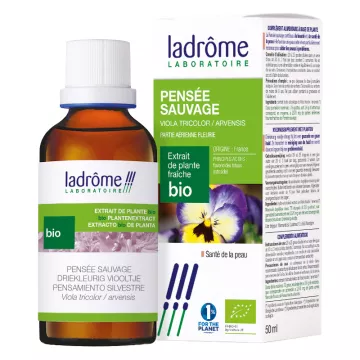
Wild pansy (Viola tricolor, flavonoids, and salicylate derivatives) is a traditional medicinal plant used in herbal medicine for inflammatory and infectious skin conditions—eczema, inflammatory acne, and early-stage impetigo. Its extract has anti-inflammatory, purifying, and mildly antimicrobial properties. Propolis (flavonoids, phenolic esters) is the best-documented active ingredient derived from bees for mild skin infections—applied as a spray or ointment to superficial lesions. These natural active ingredients complement conventional antiseptics for mild infections, but are not a substitute for medical treatment in cases of deep, widespread, or systemic infections.
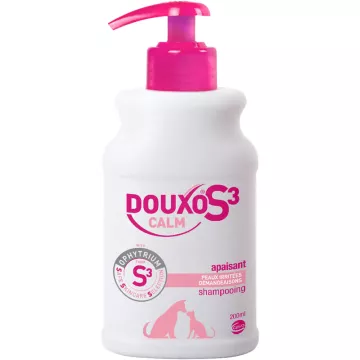
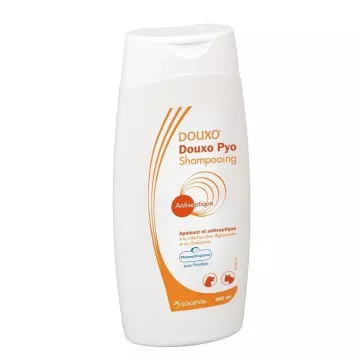
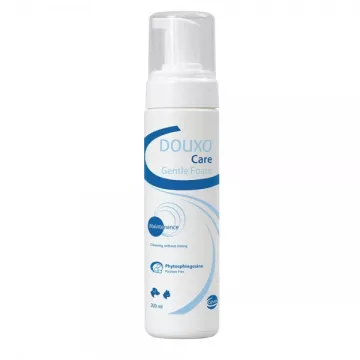
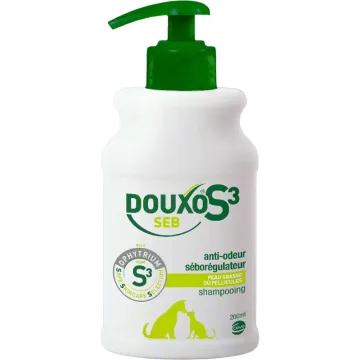
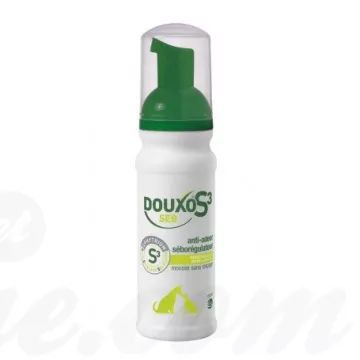
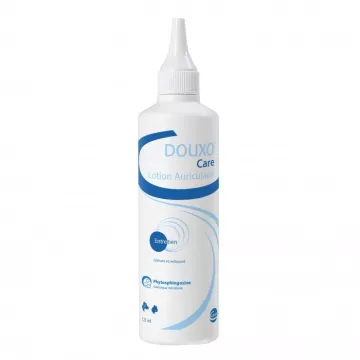
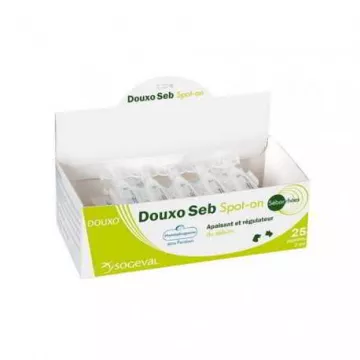
Dogs and cats are prone to bacterial and fungal skin infections similar to those in humans—superficial pyoderma (bacterial infection of the hair follicle), ringworm (Microsporum canis, highly contagious and zoonotic), and bacterial or fungal otitis externa. The Douxo line (3% chlorhexidine, Pyo Purifying Foam, antiseptic shampoo) is the veterinary standard of care for skin infections in domestic carnivores—3% chlorhexidine is particularly effective against pyoderma caused by Staphylococcus pseudintermedius. No-rinse foaming solutions (Douxo S3 Calm) are suitable for hard-to-reach areas (ears, skin folds, paws). Ringworm in cats is a zoonotic disease transmissible to humans (particularly children and immunocompromised individuals)—systemic veterinary antifungal treatment is essential as a supplement to topical care.