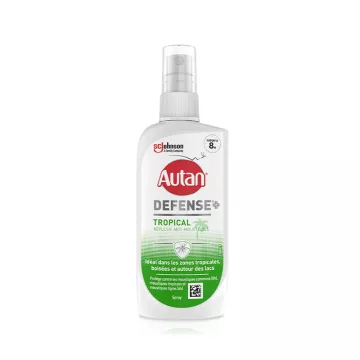
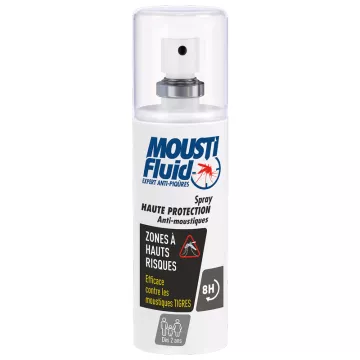
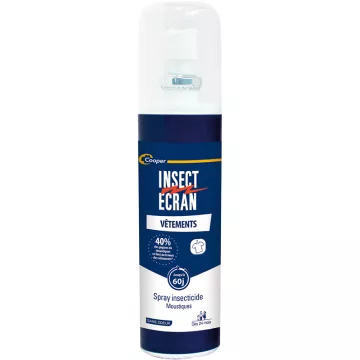
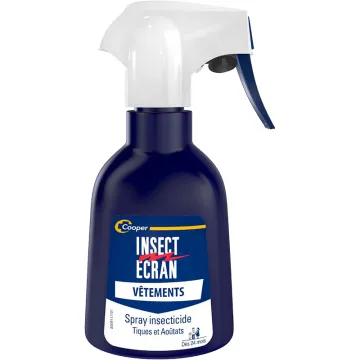
An infested area refers to a region of skin colonized by an external parasite—head lice, scabies mites in skin folds and between the toes, or areas with bed bug bites. Each parasite has its preferred locations, which are related to skin thickness, skin temperature, and the availability of blood or keratin. Identifying the affected area helps guide treatment toward the product best suited for that specific anatomical location. Preserving the integrity of the skin barrier after treatment helps limit scratching-related lesions and secondary infections. This page complements the overview ofinfestations.
The scalp is the preferred site for head lice, parasites measuring 2 to 3 mm that are most commonly found at the nape of the neck and behind the ears. Several categories of products are indicated for this condition:
Apply to dry or damp hair as directed; leave on for 8 minutes to 8 hours; repeat treatment after 7–9 days.
Scabies primarily affects the spaces between the fingers and toes, the wrists, the armpits,the navel, and the genital area in adults—and the soles of the feet, palms, and scalp in infants. The characteristic furrows (thin, winding lines), scabies nodules, and scabies pearls help confirm the diagnosis. Standard treatment: 5% permethrin cream or benzyl benzoate lotion (Ascabiol), applied tothe entire body from the neck to the toes for 12 to 24 hours, to be repeated after 8 days. Treat close contacts simultaneously, even if they are asymptomatic. Residual itching is common 2 to 4 weeks after eradication—relief can be provided with Centella asiatica treatments.
Bed bug bites tend to occur on areas of the body that are exposed during sleep — the face, neck, arms, hands, legs, and back—and typically appear in a line of three consecutive bites along the same path. The bites cause itchy, red papules, sometimes in a rosette pattern. Local relief: applyaloe vera gel 3 to 4 times a day, use a soothing Centella asiatica cream, or mist with thermal water. Take an oral antihistamine for severe itching, as directed by a doctor. Cover stings that are at risk of being scratched at night with a bandage. Don’t forget to disinfect the bedroom at the same time.
Pubic lice (Phtirus pubis), which are primarily sexually transmitted, infest pubic hair and sometimes the armpits, beard, and eyelashes. Treatment involves the same products used for head lice—permethrin or dimethicone lotions—applied to the entire hair-bearing area for the prescribed duration. Shaving is sometimes recommended to facilitate eradication. Systematic examination and treatment of the sexual partner. Wash bed linens and underwear at a minimum of 60°C. For eyelash lice (a special case): do not use insecticides—apply petroleum jelly twice a day for 8 days to suffocate the parasites. A course of zinc supplements helps support the weakened skin barrier.
After eradication, the affected skin requires restorative care:
Decontaminating the environment is essential to the success of treatment. Wash all linens that have come into contact with the affected areas (sheets, towels, clothing from the past 4 days) at a minimum temperature of 60°C. Items that cannot be washed at high temperatures: place them in a sealed plastic bag for 72 hours (scabies) to 7 days (head lice). Vacuum mattresses, box springs, rugs, and sofas, emptying the vacuum bag immediately. Spray an acaricide on non-washable areas in case of bedbug infestation. Soak combs, brushes, and toiletries for 10 minutes in an antiseptic solution or water at 60 °C.
Consultation is recommended if: a properly administered treatment fails after 2 to 3 treatment courses — infestation in infants, pregnant women, or immunocompromised individuals — secondary lesions with superinfection (intense redness, purulent discharge, fever, regional lymph node enlargement)—persistent generalized itching after eradication—outbreak (school, nursing home, residential facility). Differential diagnosis with eczema, hives, contact dermatitis, or folliculitis requires a dermatologist’s evaluation. For very extensive or resistant infestations, systemic treatment (oral ivermectin for scabies) may be considered and is available by prescription.