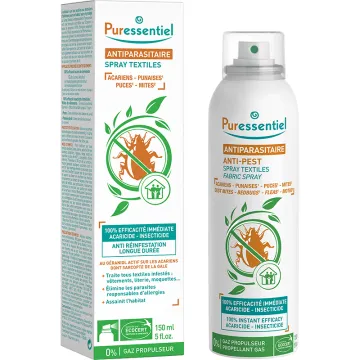
An infestation refers to the colonization by parasitic organisms—insects (lice, fleas, bed bugs), arachnids (ticks, mites, scabies), or intestinal worms—that affect humans, pets, and the home alike. Treating an infestation almost always requires a two-pronged approach: treating the host (human or animal) AND treating the environment—otherwise, reinfestation is almost certain. Fleas (Ctenocephalides felis in cats) perfectly illustrate this principle: adults on the animal account for only 5% of the total population—95% of the eggs, larvae, and nymphs are found in the environment (carpets, sofas, bedding).
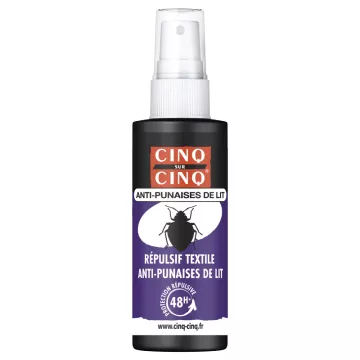
Bed bugs (Cimex lectularius) are among the most difficult infestations to eliminate. The treatment strategy combines:
Preventive anti-parasite fabric sprays (repellent essential oils of neem and lavender) can reduce the risk of reinfestation while traveling but are not a substitute for curative treatment in the event of a confirmed infestation.
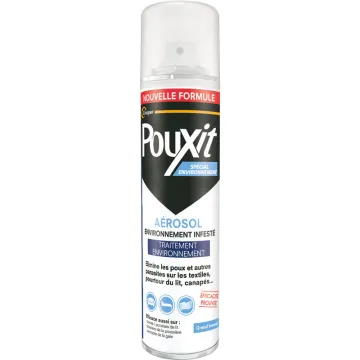
Dust mites thrive in bedding and carpets where humidity (>50%) and temperature (20–25°C) are optimal. Their feces are potent allergens that cause asthma and allergic rhinitis. Control measures include: anti-mite covers, weekly washing of bedding at 60°C, maintaining humidity below 50%, and regular vacuuming with a HEPA filter. Flea larvae in the environment are treated with growth-regulating aerosols (pyriproxyfen, methoprene) combined with an adulticide (permethrin).
Ticks (Ixodes ricinus) are the primary vectors of Lyme disease (Borrelia burgdorferi) in Europe. Prevention relies on protective clothing, skin repellents (DEET ≥ 20%, IR3535, picaridin), and systematic inspection after spending time in high-risk areas. A tick must be removed using a tick-removal hook (perpendicular to the skin; never use petroleum jelly or alcohol). Any erythema migrans (a red, circular rash) requires immediate medical attention—it is a sign of Lyme disease that requires early antibiotic treatment.
The tiger mosquito (Aedes albopictus, a vector for dengue, chikungunya, and Zika) is now present in most French departments. Control efforts focus on preventing larval breeding sites (standing water) and personal protection (skin repellents, treated clothing, mosquito nets). Natural repellents containing essential oils (citronella, lemon eucalyptus) provide 1 to 3 hours of protection—which is insufficient in high-risk areas where approved repellents (DEET, picaridin) are preferable. Insect-repellent fabric sprays protect clothing for several weeks.
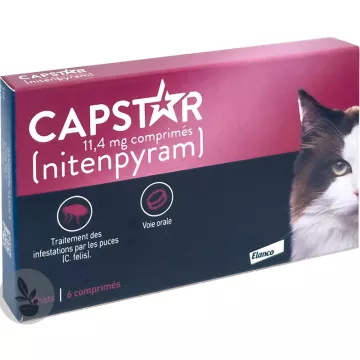
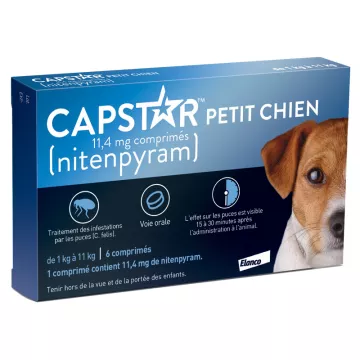
Pets (dogs and cats) are primary vectors for introducing fleas, ticks, and mites into the home—their regular parasite treatment is essential to controlling household infestations. Spot-on treatments (fipronil, selamectin, imidacloprid), fast-acting oral tablets (nitenpyram—kills adult fleas on the animal within 30 minutes), and impregnated collars (deltamethrin, flumethrin) make up the veterinary antiparasitic arsenal. Systematic monthly treatment of animals (even in the absence of clinical signs) is the most effective strategy for preventing infestation in the home. An established infestation in the home requires simultaneous treatment of all animals in the household AND the environment (aerosols, thorough vacuuming). Intestinal health products for animals (Vetosan) complement external antiparasitic treatments by addressing intestinal worms, which are often transmitted during ectoparasite infestations. Human scabies (Sarcoptes scabiei), although different from parasitic infestations in animals, follows the same principles of simultaneous treatment of contacts and the environment.