Ticks are parasitic mites that attach themselves to the skin to feed on blood. As vectors of Lyme disease, tick-borne encephalitis, and spotted fever, they require preventive protection when spending time in wooded or grassy areas. Prompt and proper removal is essential to minimize the risk of transmission.
Why are ticks dangerous?
Ticks transmit pathogens while feeding on blood. The risk of transmission increases with the duration of attachment —beyond 24 hours for Lyme disease.
- Lyme disease (Borrelia burgdorferi): characteristic erythema migrans, followed by joint, neurological, or cardiac involvement if left untreated
- Tick-borne encephalitis (TBE): neurological symptoms; vaccine available for high-risk areas
- Mediterranean spotted fever: fever, skin rash, scab at the bite site
- See a doctor if you experience fever, a rash, or severe fatigue in the weeks following a tick bite
How can you protect yourself from ticks?
Combined prevention using repellents and physical barriers is most effective.
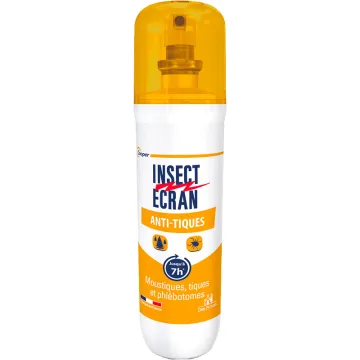
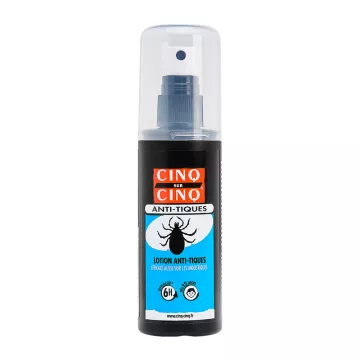
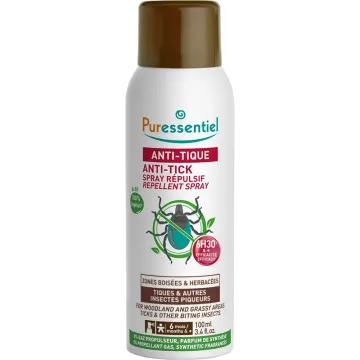
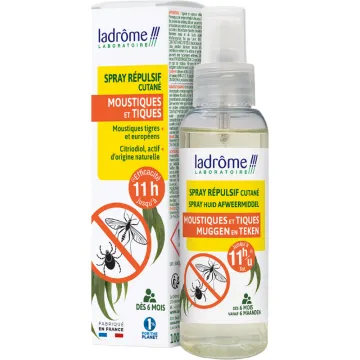
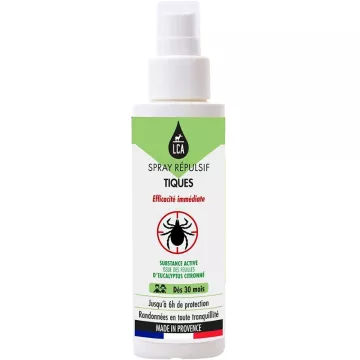
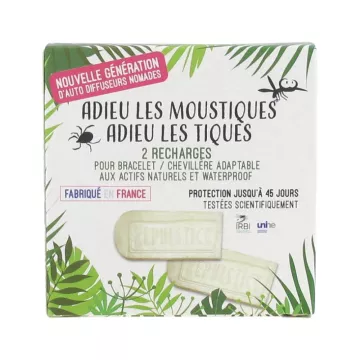
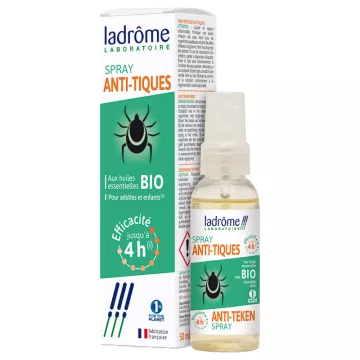
- DEET or icaridin skin repellents on exposed areas—our selection of tick repellents
- Permethrin on clothing (not applied to the skin): enhanced and long-lasting protection
- Light-colored, full-coverage clothing (for easy spotting), with pant legs tucked into socks
- Avoid high-risk areas: tall grass, forest edges, ferns
- Systematically check your body after every outing: back of the neck, behind the ears, armpits, knee creases, hair
How do you remove a tick properly?
The tick should be removed as soon as possible using the correct technique.
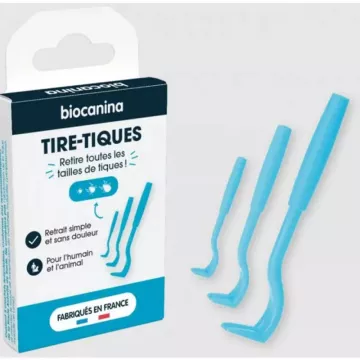
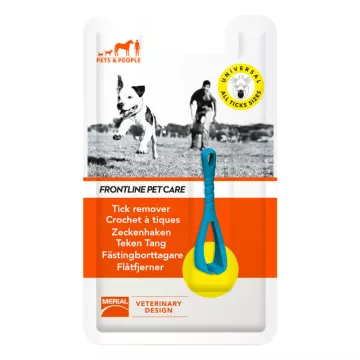
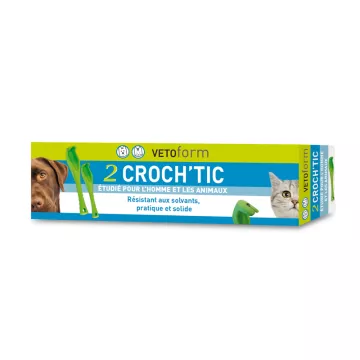
- Use a tick remover (Tick Twister hook or fine-tipped tweezers)—grip the tick as close to the skin as possible
- Use a gentle twisting motion (hook) or firm, perpendicular pull (tweezers) without crushing or twisting the tick
- Never use alcohol, ether, petroleum jelly, or oil on the tick before removal—these methods increase the risk of regurgitation
- Disinfect the area with a disinfectant solution or a product from the disinfectant line
- Note the date and location of the bite for follow-up
What to watch for after a tick bite?
Post-bite monitoring is essential for 4 to 6 weeks.
- Erythema migrans: a ring-shaped redness that gradually spreads around the bite site—a major sign of Lyme disease → seek urgent medical attention
- Fever, severe fatigue, muscle or joint pain in the following weeks → see a doctor
- Severe local allergic reaction (swelling, difficulty breathing) → seek emergency medical care
- If you’re unsure whether the tick has been completely removed or if it remains attached for an extended period: medical consultation recommended
What tick prevention treatments are available for pets?
Dogs and cats are passive carriers of ticks in the home. Regular preventive treatment protects both the animal and the household members.
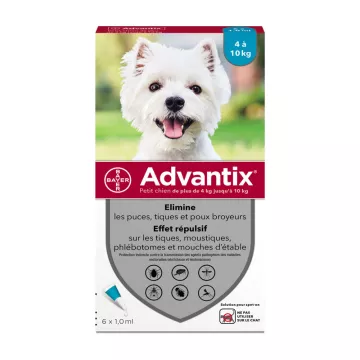
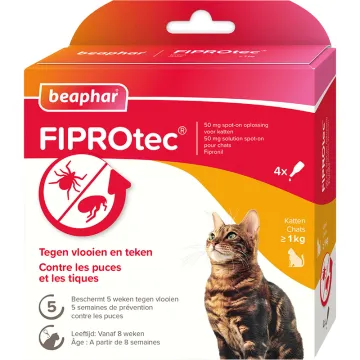
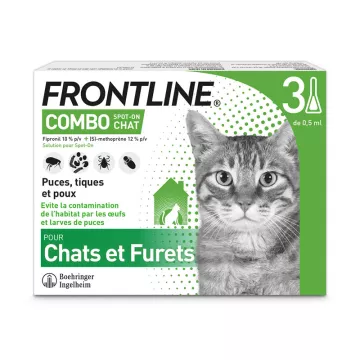
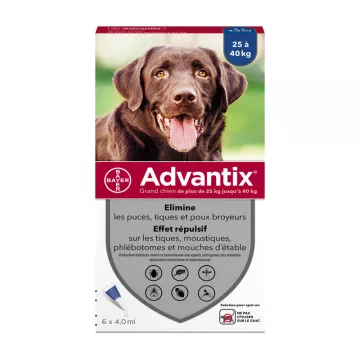
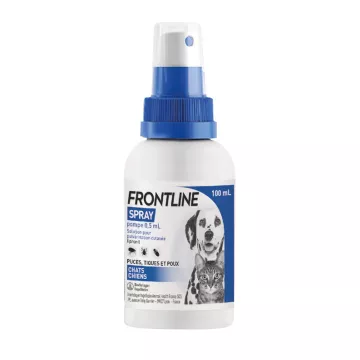
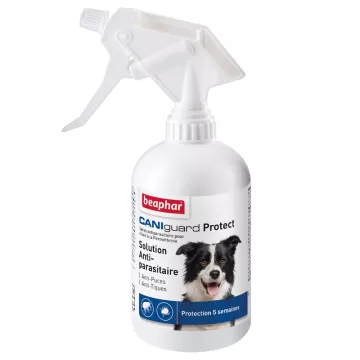
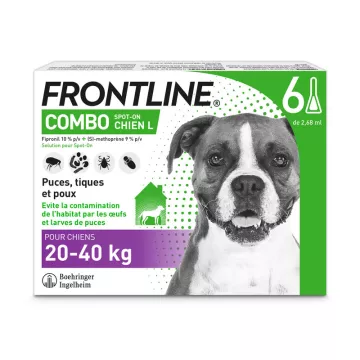
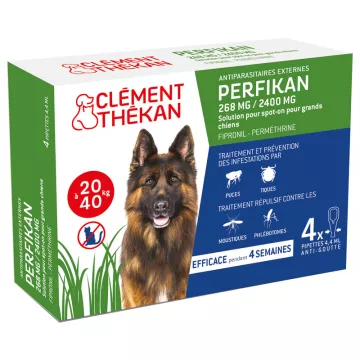
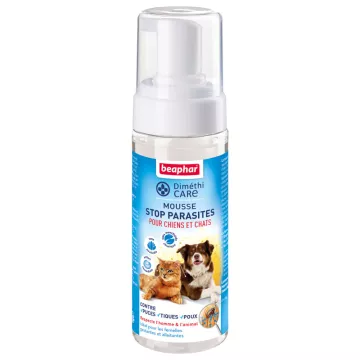
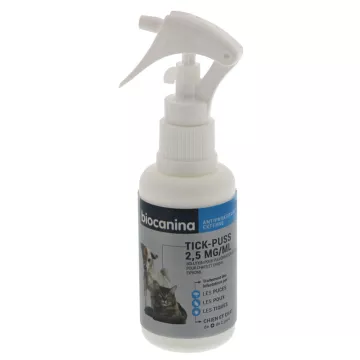
- Monthly spot-on tick treatments — see our selection of flea and tick treatments
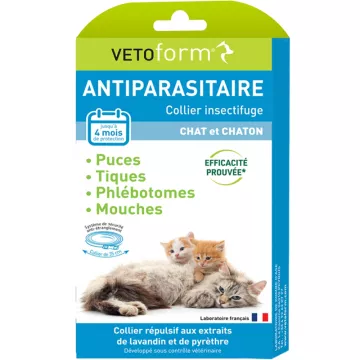
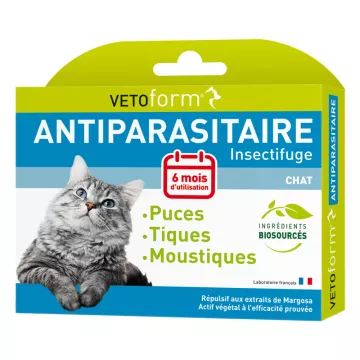
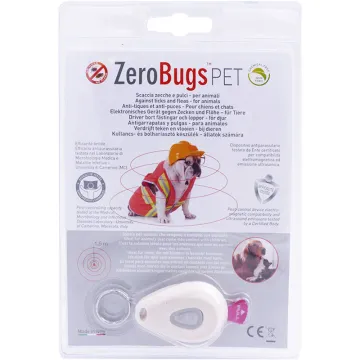
- Long-lasting (4 to 8 months) repellent collars impregnated with deltamethrin or flumethrin
- Never use a product intended for dogs on a cat (permethrin is toxic to cats)
- Inspect your pet after every outing in wooded areas — complete line of pest control products
How can you protect your yard from ticks?
Your yard can serve as a local reservoir for ticks, especially if there are wild animals present.
- Mow the lawn regularly and remove piles of dead leaves
- Create a barrier of gravel or wood chips between grassy areas and living areas
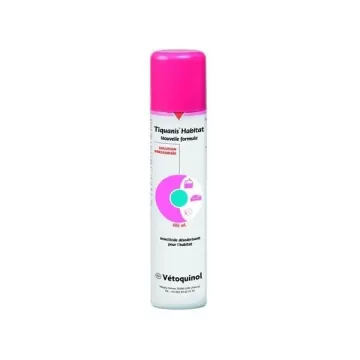
- Treat high-risk areas with a garden-approved acaricide, following the instructions
- Treat pets regularly to prevent ticks from entering the home