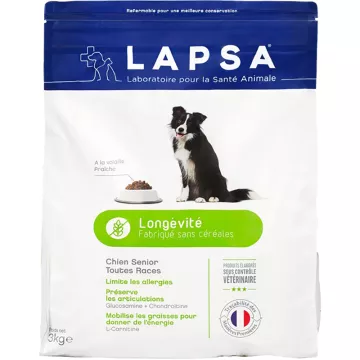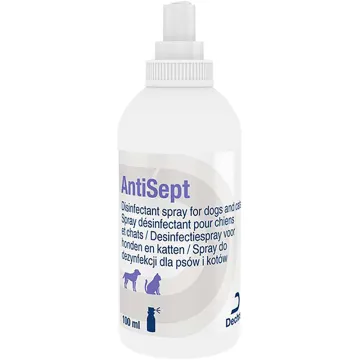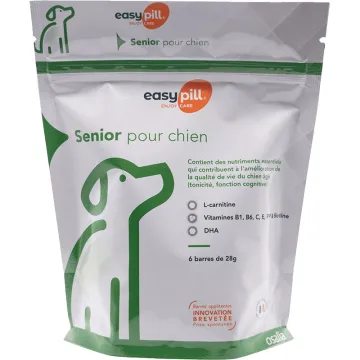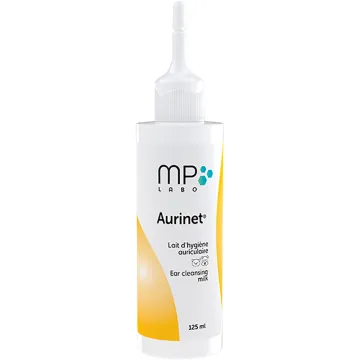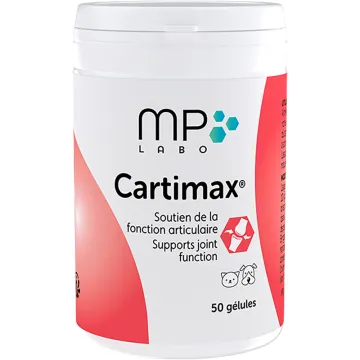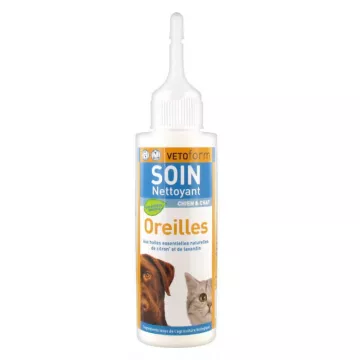

An adult dog’s well-being rests on four main pillars:
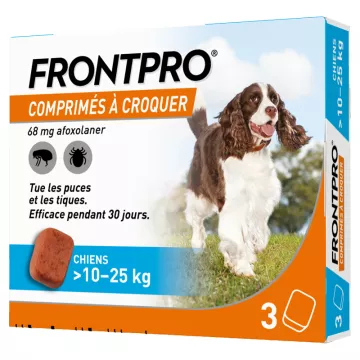
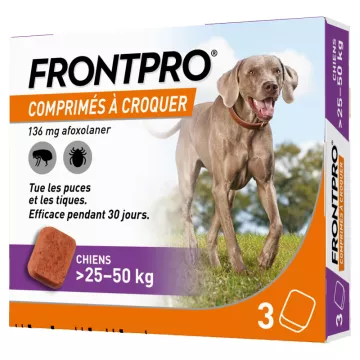
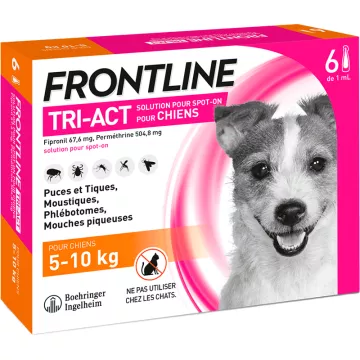
New-generation oral parasite preventatives (isoxazoline compounds: afoxolaner, fluralaner, sarolaner) block the GABA and glutamate chloride channels in arthropods—a single monthly dose provides long-lasting protection against fleas and ticks. Respiratory conditions are one of the most common reasons for veterinary visits in adult dogs.
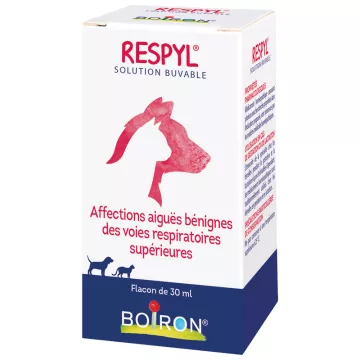
A dry, hacking cough is the hallmark of canine infectious tracheobronchitis (kennel cough)—a highly contagious infection transmitted via aerosols in group settings (shelters, boarding facilities, dog shows). The main causative agents are Bordetella bronchiseptica (treated with antibiotics), canine parainfluenza, and canine adenovirus type 2 (treated symptomatically). Veterinary homeopathy (formulas targeting respiratory tract irritation and bronchial spasms) is used as a supportive treatment to reduce the duration and intensity of mild to moderate episodes. Prevention relies on vaccination (Bordetella + parainfluenza, administered intranasally or by injection) before the dog is introduced into a group setting. A dry cough lasting longer than 10 days or accompanied by fever, lethargy, or difficulty breathing requires an immediate veterinary consultation.
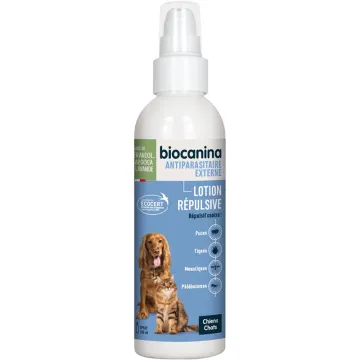
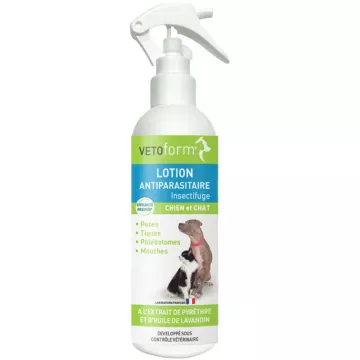
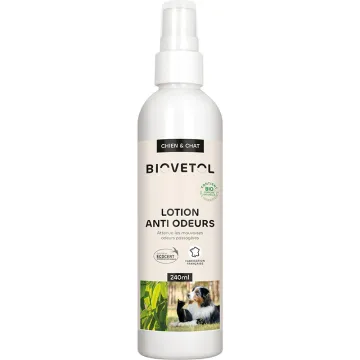
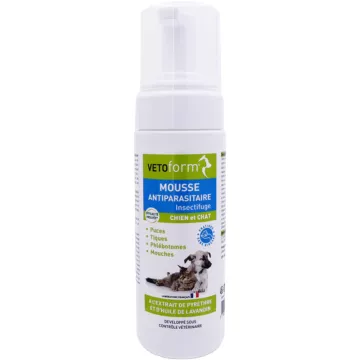
Respiratory supplements (homeopathic formulas, essential oils with bronchodilator effects used in a diffuser) provide relief for mild to moderate respiratory congestion. Essential oils suitable for dogs (low-concentration eucalyptus radiata, Scots pine, and cineole-type rosemary) should be used only in a diffuser—never applied to the skin, and they are prohibited for use on cats. A natural repellent lotion (geraniol, lemongrass, lavandin) applied to the coat reduces harassment from insect vectors. Respiratory distress accompanied by colored or purulent secretions indicates a bacterial superinfection, which requires an immediate veterinary consultation.
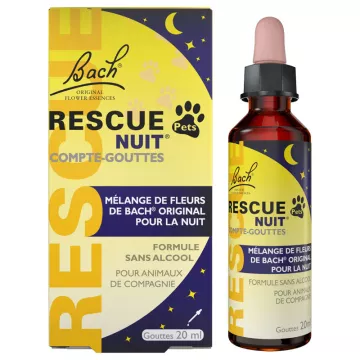
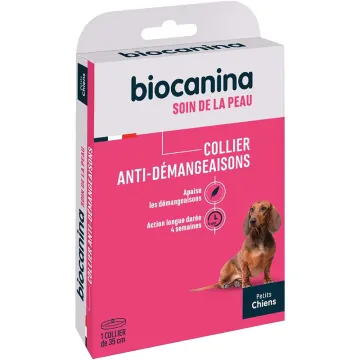
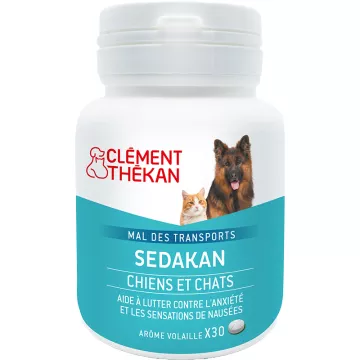
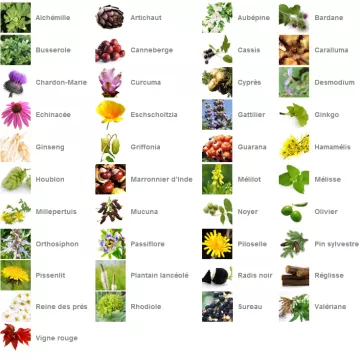
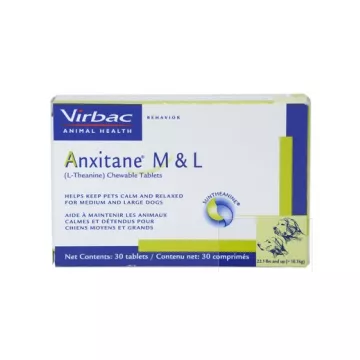
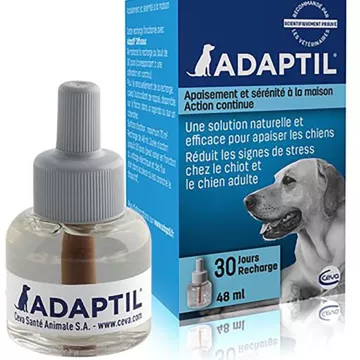
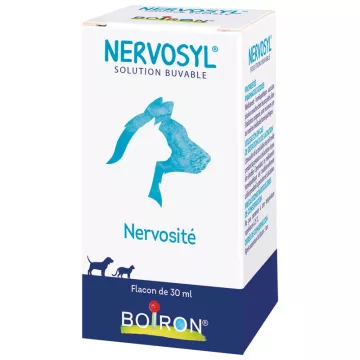
Anxiety in adult dogs manifests in various ways: destructive behavior when the owner is away, hypersensitivity to noise, and excessive reactivity. Oral calming supplements (L-tryptophan, L-theanine, valerian, hops, passionflower, hydrolyzed casein) act on GABAergic or serotonergic receptors to induce relaxation without sedation. The anti-itch collar is a topical treatment for dogs suffering from atopic dermatitis—chronic itching leads to stress and secondary behavioral problems. The respiratory tract itself is affected by intense stress (panting, hyperventilation)—behavioral management is an integral part of overall health. The respiratory tract of a stressed dog deserves the same attention as that of a sick animal.
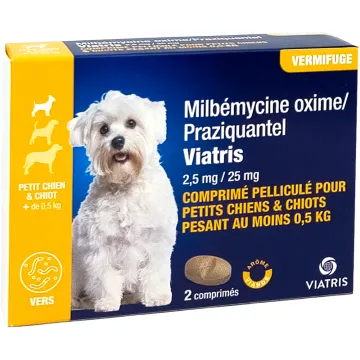
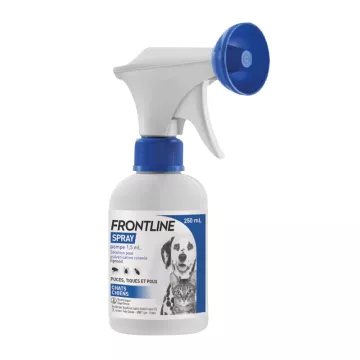
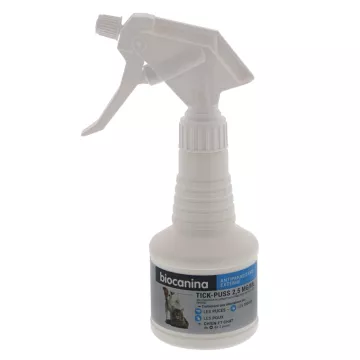
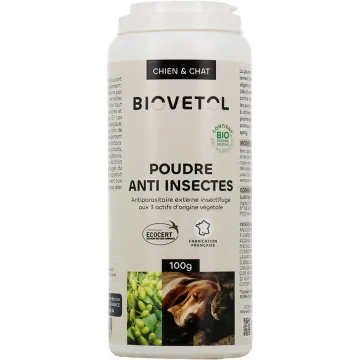
Parasite treatment combines two complementary approaches. New-generation oral antiparasitic treatments (isoxazolines: afoxolaner 68–136 mg depending on weight, effective for 1 month) come in chewable tablets that dogs enjoy—a single monthly dose, with no topical application and no risk of contact with children. Environmental treatment (insecticide sprays containing permethrin + methoprene or pyriproxyfen) eliminates flea eggs, larvae, and pupae from the dog’s living environment—this is essential because 95% of the flea population resides in the environment. Be sure to ventilate the treated room thoroughly before allowing the dog back inside. The animal’s breathing may be temporarily affected by volatile residues from the environmental spray.