What affects breathing when you have a cold or allergies?
During a cold or an allergic reaction, the nasal and bronchial mucosa become inflamed due to viral agents orallergens (pollen, dust mites, mold, animal dander). This inflammation causes vasodilation, mucosal edema, and excessive mucus production, which obstruct the airways and make breathing difficult. ENT care products and supplements for respiratory allergies are available in the store.
- Common cold: viral infection (rhinovirus, RSV) — nasal swelling and congestion — initially clear mucus, then yellowish if a bacterial superinfection occurs — resolves spontaneously in 7 to 10 days — frequent nighttime wheezing
- Allergic rhinitis: IgE-mediated hypersensitivity to allergens — characteristic sneezing, clear nasal discharge, and nasal itching — seasonal (pollen) or perennial (dust mites, animals) — may progress to asthma if left untreated (rhinitis-asthma continuum)
- Seasonal allergens: birch (March–April), grasses (May–July), ragweed (August–October) — pollen seasons vary by region and due to global warming — RNSA (National Aerobiological Monitoring Network) for local pollen reports
- Emergency symptoms requiring immediate calling of 15 or 112: inability to speak or swallow — very noisy breathing (stridor) — severe chest pain — swelling of the lips, tongue, or face (angioedema) — these signs may indicate an anaphylactic reaction
How can you improve breathing if you have a cold or allergies?
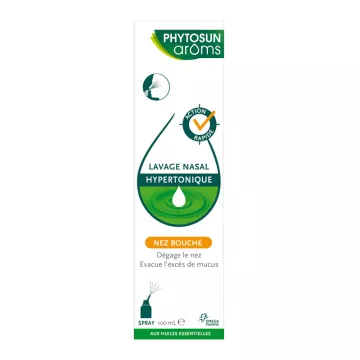
- Nasal irrigation (saline solution or isotonic seawater): first-line treatment — mechanically removes mucus, allergens, and viruses from the nasal passages — repeat 3 to 4 times a day during acute episodes — painless and without contraindications (except for active ear infections)
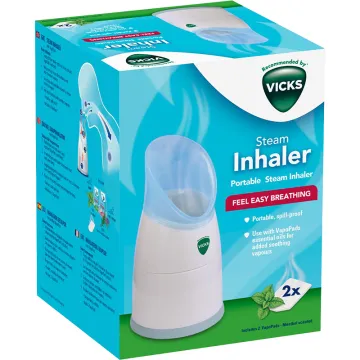
- Steam inhalation: hot water at 42–45 °C, head covered with a towel, for 10 minutes — moisturizes and thins the mucus — can be enhanced with a few dropsof eucalyptus oil diluted in the water — not recommended for children under 7 years of age (risk of burns)
- Hydration: 1.5 to 2 L of fluids per day maintains mucus fluidity and facilitates its clearance via mucociliary clearance—hot herbal teas (ginger, thyme) simultaneously promote hydration and provide anti-inflammatory benefits
- Oral antihistamines: cetirizine, loratadine (second generation—non-sedating) for allergic rhinitis—to be taken before exposure to allergens during pollen season—as directed by a doctor or pharmacist
- HEPA air purifiers: reduce indoor allergen levels (dust mites, spores, pollen)—keep windows closed during peak pollen hours (morning and late afternoon)—keep an eye on local pollen counts
What natural remedies support breathing during a cold or allergies?
- Honey: soothes the throat lining — antibacterial properties (hydrogen peroxide, defensins) — one teaspoon in hot herbal tea 2 to 3 times a day — not recommended for infants under 1 year of age (infant botulism) — note: local honey is not a medically validated desensitization treatment for pollen
- Ginger: gingerols and shogaols — anti-inflammatory for the respiratory mucosa — as an infusion 2 to 3 times a day or as a standardized extract — relieves bronchial irritation and facilitates expectoration
- Curcumin (turmeric): powerful natural anti-inflammatory (NF-κB inhibitor) — supports the immune response of the mucous membranes — take with piperine (black pepper) to improve bioavailability — standardized supplements with curcumin titration
- Consult a doctor if: wheezing — symptoms persisting for > 10 days despite treatment — recurrent respiratory condition — fever > 38.5 °C with purulent sputum — respiratory comfort does not return to normal after the acute phase