What is respiratory comfort, and why is it important?
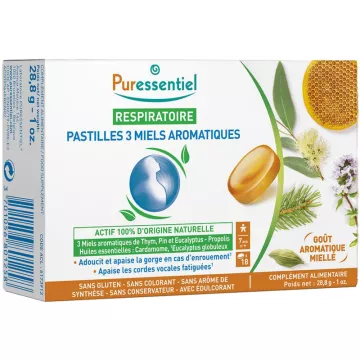
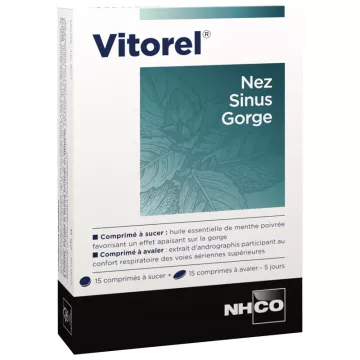
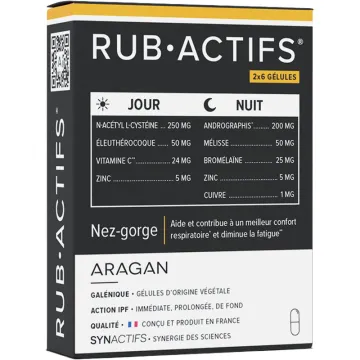
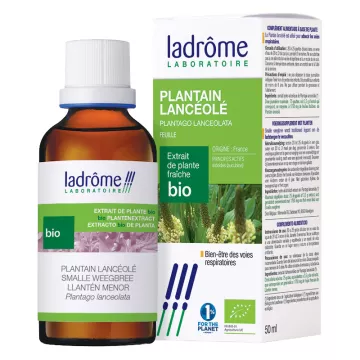
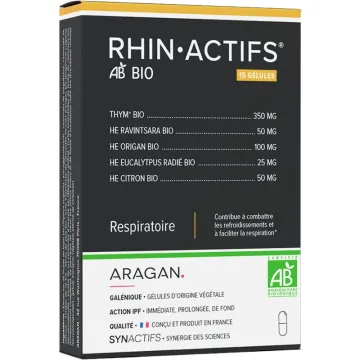
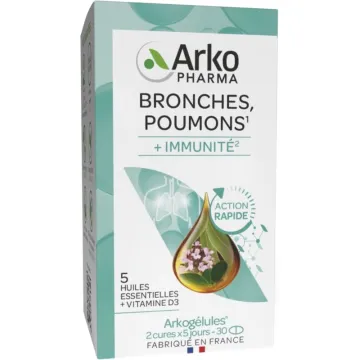
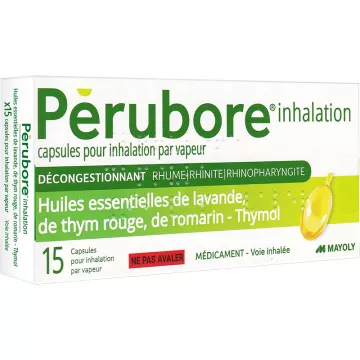
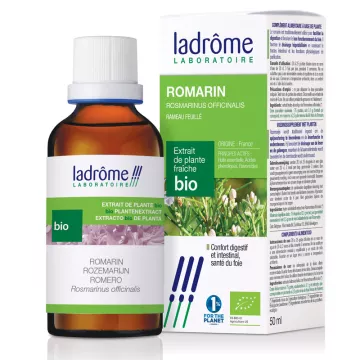
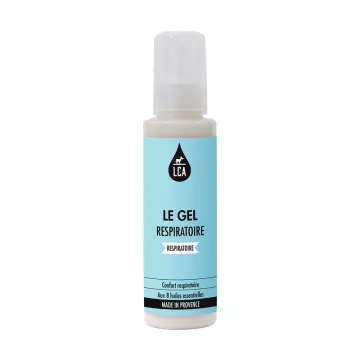
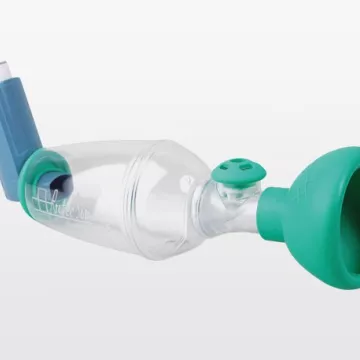
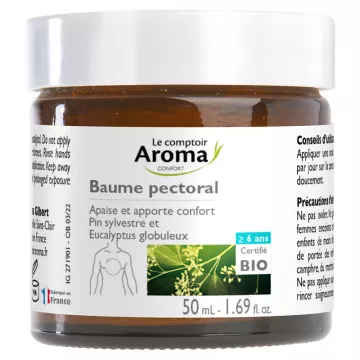
Respiratory comfort refers to the ability to breathe effortlessly and without strain, allowing for optimal oxygenation of the body and efficient gas exchange. It is an indicator of quality of life directly linked to respiratory health, indoor air quality, and respiratory muscle function. Dietary supplements for respiratory comfort are available in the respiratory supplements line, and essential oils are available in the respiratory essential oils line.
- Signs of compromised respiratory comfort: shortness of breath during exertion or at rest — persistent cough lasting more than 3 weeks — increased mucus production — wheezing or abnormal breathing sounds — chest tightness — unexplained fatigue related to poor oxygenation
- These symptoms may indicate underlying respiratory conditions (asthma, chronic bronchitis, COPD) requiring medical attention—never self-diagnose or delay treatment for persistent shortness of breath
How can you improve respiratory comfort in daily life?
Improving respiratory comfort relies on complementary factors: air quality, physical exercise, breathing techniques, and diet. The management of chronic respiratory conditions requires medical supervision—these approaches complement but do not replace it.
- Indoor air quality: the primary modifiable factor — ventilate for 10 minutes in the morning and evening (to refresh the air without introducing outdoor pollutants) — limit VOCs (volatile organic compounds: paints, solvents, household cleaners) — indoor humidity 40–60% (too dry = mucous membrane irritation, too humid = mold growth) — HEPA air purifiers for those allergic to dust mites or pollen — frequent vacuuming and dust-mite-proof covers on bedding
- Quitting smoking: the primary way to maintain respiratory comfort — as early as the first week after quitting, mucociliary clearance begins to recover — Tabac Info Service: 3989 (toll-free, 7 days a week)
- Regular physical exercise: 150 minutes per week of moderate activity (WHO recommendations) — strengthens the diaphragm and intercostal muscles — improves vital capacity and FEV1 — swimming, brisk walking, cycling, and yoga are particularly suitable
What breathing exercises and herbs support respiratory comfort?
- Diaphragmatic (abdominal)breathing: inhale through the nose, letting the abdomen expand while keeping the chest still — exhale slowly and completely through the mouth — 5 to 10 minutes in the morning and evening — improves the ventilation-to-perfusion ratio and reduces resting respiratory rate
- Pursed-lip breathing: inhale through the nose for 2 seconds — exhale slowly through the mouth as if blowing out a candle (4 seconds) — reduces air trapping in COPD and improves O₂ saturation
- Controlled coughing: take a deep breath — hold for 2 seconds — cough gently twice — effective for mobilizing bronchial secretions without straining the airways
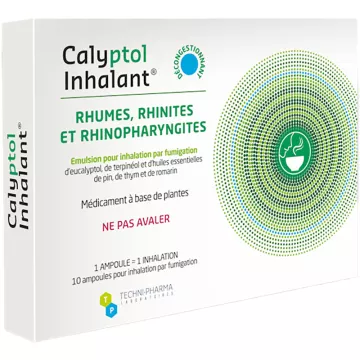
- Eucalyptus: 1,8-cineole (mucolytic) — via steam inhalation or diffusion — documented bronchodilator — not recommended for children under 7 or pregnant women
- Peppermint: menthol—refreshing and mildly decongestant—for room diffusion or inhalation—contraindicated for children under 7
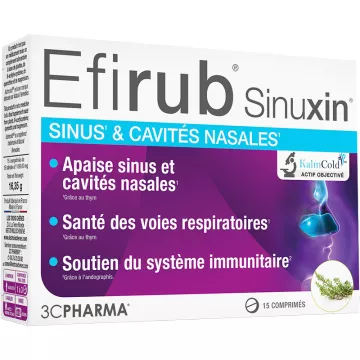
- Thyme: thymol, an expectorant and bronchial antiseptic—as an herbal tea, 2 to 3 cups per day—well-established traditional use (EMA) for catarrhal conditions of the respiratory tract
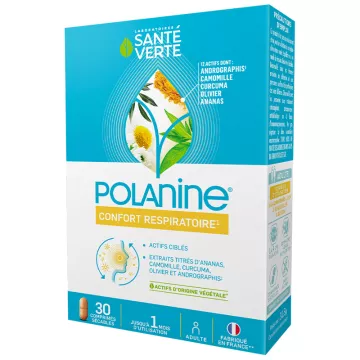
- Nutrition and supplements: omega-3 (EPA and DHA, which have anti-inflammatory effects on the lungs) — vitamin C (supports mucosal immunity) — vitamin D3 (modulates the immune system — deficiency is very common) — hydration: 1.5 to 2 L per day (to maintain mucus fluidity) — a diet rich in antioxidants (colorful fruits, green vegetables, turmeric) to protect lung tissue