What is a respiratory disorder, and what are its symptoms?
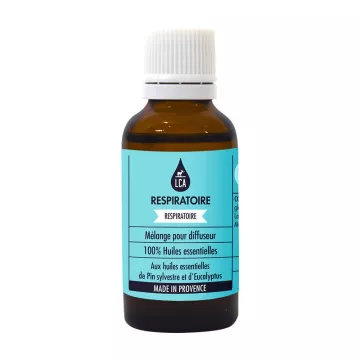
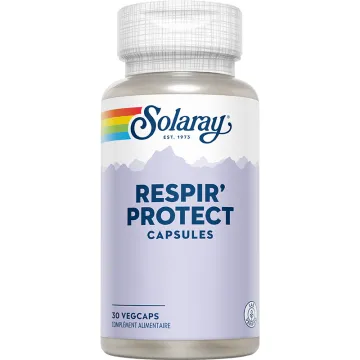
Respiratory disorders encompass all conditions that affect the ability to breathe normally—from the airways (asthma, bronchitis, COPD) to the pulmonary alveoli (emphysema, pneumonia) and the respiratory muscles. They cover a very broad spectrum, ranging from mild and reversible conditions to severe chronic diseases. Natural products for respiratory comfort are available in the store’s “Respiratory Health” and “Respiratory Supplements” sections.
- Key symptoms to watch for: dyspnea (shortness of breath during exertion and then at rest) — persistent cough (dry or productive) — expiratory wheezing ( bronchospasm) — chest tightness — bronchial hypersecretion (bronchial congestion) — cyanosis in advanced stages — fatigue due to increased respiratory effort
- Main conditions: asthma (reversible bronchial hyperreactivity) — chronic bronchitis and COPD (progressive, irreversible obstruction) — emphysema (alveolar destruction) — asthmatic dyspnea — bronchiectasis — cystic fibrosis
- Causes and risk factors: smoking (the leading cause of COPD and emphysema—90% of cases)—allergens (dust mites, pollen, dander — allergic asthma) — air pollution (PM2.5, ozone — chronic bronchial irritation) — recurrent respiratory infections — genetics (alpha-1 antitrypsin deficiency) — obesity (hypoventilation, apnea)
- Diagnosis: spirometry (FEV₁, FVC, FEV₁/FVC ratio—measurement of obstruction and reversibility)—chest X-ray—high-resolution CT scan (HRCT—alveolar destruction in emphysema) — allergy tests (prick tests, specific IgE) — arterial blood gas analysis (PaO₂, PaCO₂ — gas exchange)
Treatments, Natural Remedies, and Exercise for Respiratory Disorders
The management of respiratory disorders combines medication, respiratory rehabilitation, and lifestyle changes. Bronchodilators (beta-2 agonists, anticholinergics) and inhaled corticosteroids form the pharmacological foundation for asthma and COPD. Smoking cessation is the only measure that slows the progression of COPD and emphysema—all other interventions improve symptoms without altering the course of the disease.
- Respiratory rehabilitation: a supervised multidisciplinary program (respiratory physical therapy, exercise training, therapeutic education, psychological support)—reduces dyspnea, improves exercise tolerance and quality of life—as effective as medications in moderate to severe stages—recommended by the HAS for all symptomatic COPD patients (GOLD stages 2–4) — autogenic drainage techniques, huff cough, flutter
- Exercise and Respiratory Disorders: Regular moderate physical activity improves lung capacity, strengthens respiratory muscles, and reduces perceived shortness of breath—walking, stationary bike, swimming (ideal for exercise-induced asthma—warm, humid air)—a gradual 10- to 15-minute warm-up—carry a rescue bronchodilator with you—resume activity gradually after an exacerbation
- Complementary natural remedies: eucalyptus (1,8-cineole—mucolytic and mild bronchodilator when inhaled)— honey (soothes irritated mucous membranes—mild antibacterial properties) — ginger and turmeric (anti-inflammatory for the respiratory tract) — magnesium (bronchial muscle relaxant — commonly deficient in asthma) — vitamin C and zinc (support immunity and respiratory mucosal integrity)
- Air quality: HEPA air purifier in the bedroom — humidity at 40–60% — air out the room for 15 minutes in the morning and evening — avoid irritants (sprays, strong perfumes, volatile products) — monitor air quality indices (Atmo France) and limit outdoor activities during pollution peaks
Diet, Stress, and Daily Life with a Respiratory Condition
An anti-inflammatory diet can reduce bronchial hyperreactivity and the frequency of exacerbations. Omega-3s (fatty fish—salmon, mackerel, sardines) reduce the production of pro-inflammatory leukotrienes and prostaglandins involved in bronchospasm. Antioxidants (vitamins C and E, polyphenols—colorful fruits and vegetables) protect the respiratory mucosa from oxidative stress caused by chronic inflammation.
- Stress and Respiratory Disorders: Stress activates the sympathetic nervous system and increases bronchial hyperreactivity—the panic-dyspnea syndrome is common in asthma and COPD—stress management techniques (cardiac coherence, mindfulness meditation, yoga, sophrology)—pursed-lip breathing (inhale for 2 seconds, exhale for 4–6 seconds) breaks the anxiety-bronchospasm cycle and reduces hyperinflation in COPD
- Respiratory infections and compromised health: Viral infections (influenza, rhinovirus) are the leading cause of exacerbations in chronic respiratory disorders — annual influenza and pneumococcal vaccinations are recommended — handwashing, ventilation, avoid gatherings during outbreaks—an infection-related exacerbation often warrants a temporary increase in maintenance therapy and medical monitoring
- Regular follow-up: annual spirometry for patients with COPD and asthma—treatment adjustment based on the level of control (GINA classification for asthma, GOLD for COPD) — therapeutic education (recognizing signs of worsening, using inhalers correctly) — symptom and peak flow (PEF) diary for asthma patients
- Living with a chronic respiratory condition: an active life is possible with appropriate treatment and regular follow-up — adapt activities (choice of sport, environment, timing based on air quality) — don’t isolate yourself (support groups and COPD/asthma patient organizations improve treatment adherence and quality of life)