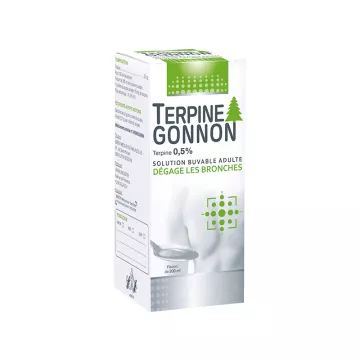
What is bronchial congestion, and how does it manifest?
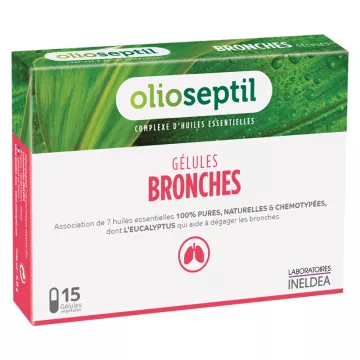
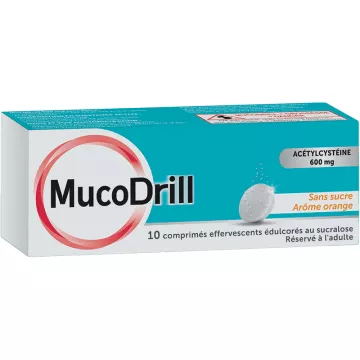
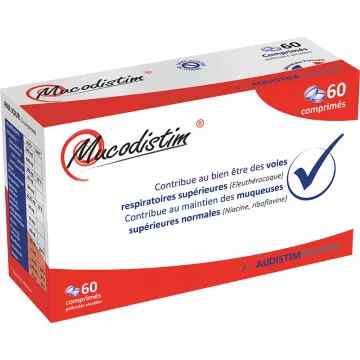
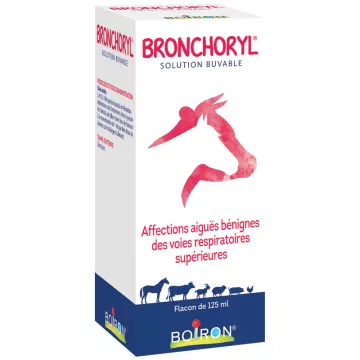
Bronchial congestion refers to the accumulation of mucus in the bronchi beyond the mucociliary system’s capacity to clear it. This excess mucus partially or completely obstructs the airways, causing a feeling of chest tightness and triggering a productive, wet cough —the body’s natural defense mechanism to expel the mucus. Bronchial congestion is not a disease in itself but a symptom associated with many respiratory conditions. Natural products for respiratory health are available in the store.
- Characteristic symptoms: productive cough with difficult expectoration — wheezing — sensation of tightness or heaviness in the chest — dyspnea (difficulty breathing during exertion) — fatigue due to increased respiratory effort — thick, viscous mucus, sometimes yellow-green or tinged with blood
- Main causes: respiratory infections (acute viral or bacterialbronchitis, pneumonia, nasopharyngitis with postnasal drip) — chronic diseases (COPD, asthma, bronchiectasis, cystic fibrosis) — respiratory allergies — smoking (chronic ciliary atrophy) — environmental irritants (pollution, dust, fumes)
- Children and bronchial congestion: proportionally narrower airways — even mild hypersecretion can cause significant obstruction — winter viral infections (RSV, rhinovirus) are the leading cause — bronchiolitis in infants (< 2 years) is a severe form of viral bronchial congestion requiring specific management
- Older adults: decreased respiratory muscle strength, reduced cough efficiency, slowed mucociliary clearance—bronchial congestion is more common and harder to clear—influenza and pneumococcal vaccinations are recommended to prevent secondary infections
How can bronchial congestion be treated and relieved?
Hydration is the simplest and most effective measure—drinking 1.5 to 2 L/day of lukewarm or hot fluids keeps mucus thin and facilitates its mucociliary clearance. Steam inhalations (10 to 15 minutes, 2 to 3 times a day) directly hydrate the bronchial mucous membranes and mechanically thin the mucus. These basic measures precede and enhance the effectiveness of all medicinal or natural treatments.
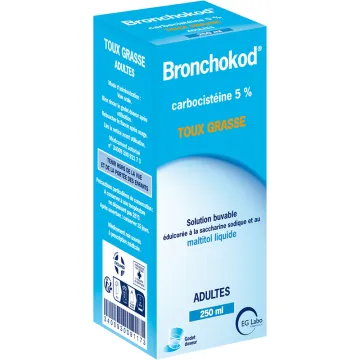
- Expectorants and mucolytics: guaifenesin (expectorant—thins secretions)—acetylcysteine/NAC (mucolytic—breaks the disulfide bonds in mucins)—ambroxol (mucolytic + stimulates surfactant) — carbocysteine — never combine with a cough suppressant (would block mucus clearance)
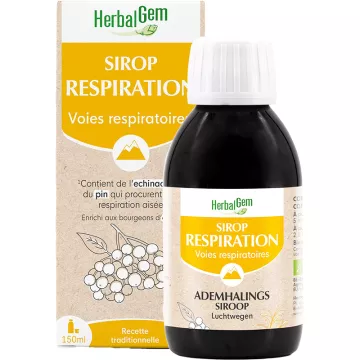
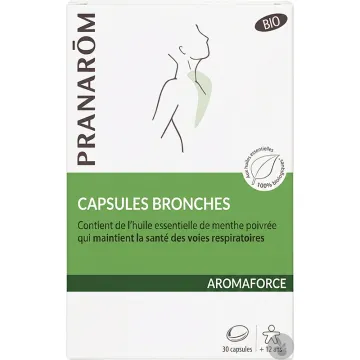
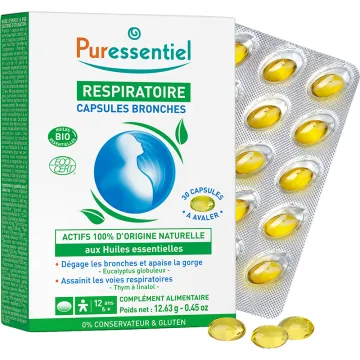
- Natural expectorants and mucus-thinning remedies: thyme (thymol—expectorant, bronchial antispasmodic, and antiseptic—drink 3 cups of tea per day) — eucalyptus (1,8-cineole—mucolytic and bronchial anti-inflammatory—inhalation and tea) — English ivy (Hedera helix — triterpene saponosides — expectorant + mild bronchodilator — well-documented in pediatrics) — garlic (allicin — antibacterial + natural expectorant) — black radish (raphanol, which thins mucus in the bronchial tubes)
- Honey and lemon: honey (soothes mucous membranes irritated by repeated coughing + mild antibacterial properties — 1 to 2 teaspoons in warm herbal tea — not recommended for children under 1 year of age) — lemon (vitamin C + citric acid, which slightly stimulates secretions) — combined with thyme for a synergistic effect
- Inhaled bronchodilators: salbutamol (rapid-acting beta-2 agonist) — indicated for bronchospasm associated with congestion — dilate the bronchi and improve mucociliary clearance — prescribed by a doctor in cases of underlying asthma or COPD
Respiratory physical therapy and prevention of bronchial congestion
Respiratory physical therapy is the standard of care for persistent or severe bronchial congestion. It mechanically moves secretions from the distal bronchi toward the proximal bronchi to facilitate their expectoration. It is essential for cystic fibrosis, bronchiectasis, COPD with chronic bronchial obstruction, and bronchiolitis in infants. The respiratory therapist also teaches self-drainage techniques that the patient can perform at home.
- Secretion drainage techniques: autogenic drainage (controlling expiratory flow at different lung volumes to gradually mobilize mucus) — Flutter/Acapella (oral vibratory devices that create oscillations in the airways and dislodge mucus) — postural drainage (specific positions depending on which lung lobes are congested — most often used in combination) — controlled cough or huff cough (controlled forced exhalation without closing the glottis — clears mucus without triggering new coughing fits)
- Prevention of bronchial congestion: smoking cessation (the primary factor in ciliary recovery) — annual flu vaccine + pneumococcal vaccine — frequent handwashing — humidifying indoor air (40–60%) — diet rich in antioxidants (vitamins C and E, zinc) — regular physical activity (improves mucociliary function and the ability to expectorate)
- Children and infants: nasopharyngeal clearance (NPC) performed by parents (nasal irrigation with saline solution + blowing the nose or using a nasal aspirator) reduces the spread of congestion to the lower airways — Respiratory physical therapy is routinely prescribed for moderate to severe bronchiolitis