What is nasopharyngitis, and how is it different from a cold?
Nasopharyngitis is a viral infection that simultaneously affects the nasopharynx—the anatomical area connecting the nasal cavities to the pharynx. It corresponds precisely to what is commonly called a “cold” but more specifically refers to the combined infection of the nose and throat. It is the most common respiratory infection: adults experience 2 to 4 episodes per year, and children 6 to 8 episodes. Natural products for winter ailments and respiratory health are available in the store. For the common cold in general, see “Common Cold” and “Coryza.”
- Causative viruses: rhinovirus (40 to 50% of cases) — seasonal coronaviruses — parainfluenza viruses — RSV (respiratory syncytial virus — severe form in infants: bronchiolitis) — transmission via respiratory droplets and indirect contact (hands → nasal and ocular mucous membranes)
- Symptoms and typical course: incubation period 1 to 3 days — initial phase: stuffy nose, sneezing, sore throat — acute phase (Days 2–5): clear nasal discharge followed by mucopurulent discharge, cough, mild fever (especially in children) — spontaneous resolution within 7 to 10 days — mucopurulent nasal discharge during the established phase is normal and does not indicate a bacterial superinfection
- Difference between nasopharyngitis and the flu: nasopharyngitis (gradual onset, predominant nasal symptoms, mild fever or no fever, moderate fatigue) — flu (sudden onset, high fever 39–40 °C, severe muscle aches, debilitating fatigue, dry cough)
- Difference between nasopharyngitis and allergy: nasopharyngitis (possible fever, duration 7 to 10 days, no severe eye itching) — allergic rhinitis (no fever, marked nasal and eye itching, symptoms persist upon exposure to the allergen, recur during the same season)
How can you treat and relieve nasopharyngitis naturally?
There is no antiviral treatment available for rhinoviruses—nasopharyngitis resolves on its own. Treatment is strictly symptomatic. Antibiotics are ineffective (viral infection) and should not be used without a confirmed bacterial superinfection—their inappropriate use contributes to antibiotic resistance. Rest and hydration remain the cornerstones of care.
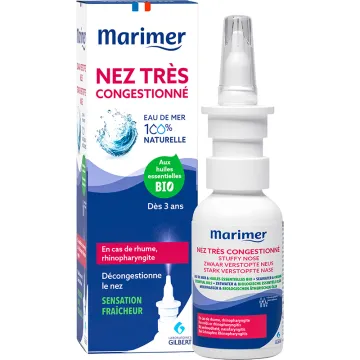
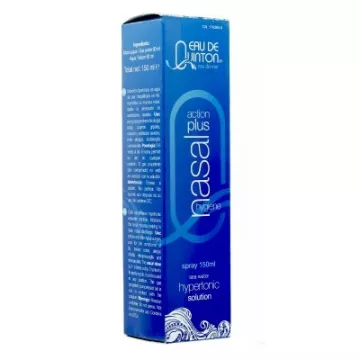
- Nasal irrigation: saline solution or seawater—the most effective method—mechanically removes viruses, thins mucus, and hydrates the mucous membranes—several times a day, especially in the morning and before bedtime—can be used as soon as symptoms appear and in infants (using a baby nasal aspirator afterward)
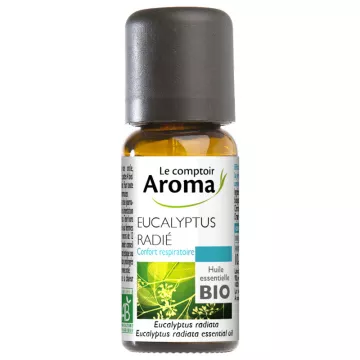
- Complementary natural remedies: honey (1 to 2 teaspoons in warm herbal tea—soothes the throat and cough, has mild antibacterial properties—not recommended for children under 1 year of age) — eucalyptus inhalation (cineole, a nasal decongestant) — thyme tea (an antiseptic for the airways) — ginger and lemon in hot herbal tea (natural anti-inflammatories) — propolis oral spray (immunostimulant and antibacterial)
- Pain relievers if necessary: acetaminophen (fever and pain—first-line treatment, all ages) — ibuprofen (severe pain — contraindicated for children under 3 months and during pregnancy) — nasal decongestants (max 5 to 7 days — risk of rebound effect) — throat lozenges (local relief)
- Humidification and hydration: humidifier in the bedroom (40–60%) — drink 1.5 to 2 L/day (water, herbal teas, hot broths) — hot beverages soothe the throat through steam and direct heat
How can you prevent nasopharyngitis and protect children?
Nasopharyngitis is difficult to prevent—rhinoviruses have more than 100 different serotypes, and immunity following infection is specific and temporary. Hygiene practices remain the most effective preventive measure. Children are particularly at risk because their immune systems are immature, and close contact in group settings (daycare, school) promotes the spread of the virus.
- Essential preventive measures: wash hands for 20 seconds with soap or hand sanitizer — use single-use disposable tissues — cover your mouth when coughing (with the crook of your elbow) — ventilate rooms regularly (15 minutes twice a day) — Clean frequently touched surfaces — Avoid gatherings during an epidemic if you are at high risk
- Children and recurrent nasopharyngitis: 6 to 8 episodes per year are normal for children under 6 years of age in group settings — immunity develops gradually — a child who experiences frequent nasopharyngitis without complications does not require an immunological evaluation — be alert for complications to watch for: acute otitis media, sinusitis, laryngitis, bronchitis
- When to seek medical care: symptoms persisting for more than 10 days without improvement—fever > 38.5 °C lasting more than 3 days—onset of ear pain, sinus pain, difficulty swallowing or breathing—in infants under 3 months of age: any fever requires immediate medical attention