Why Get a Flu Shot Every Year?
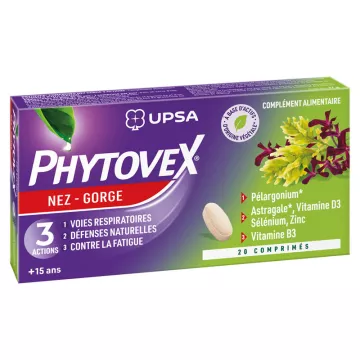
Flu prevention relies primarily on annual vaccination—the only measure with proven effectiveness on a large scale. Influenza viruses are constantly mutating through two mechanisms: antigenic drift (gradual mutations) and antigenic shift (major reassortments). These mutations quickly render the immunity acquired the previous year—whether natural or from vaccination—obsolete. Each fall, the WHO identifies the strains most likely to circulate in the coming season, and laboratories formulate a quadrivalent vaccine targeting four strains (2A + 2B). Products to boost winter immunity are available in the respiratory supplements and winter illnesses line.
- Vaccine efficacy: 40–70% against infection, depending on the match between the vaccine and circulating strains—significant reduction in hospitalizations (-60%) and deaths (-80%) among the elderly — herd immunity reduces viral circulation and protects people who cannot be vaccinated (infants under 6 months, severely immunocompromised individuals)
- People for whom vaccination is recommended and covered by insurance: those over 65 — people with chronic conditions (COPD, asthma, diabetes, heart or kidney failure, obesity [BMI > 40]) — pregnant women (at any trimester) — healthcare workers — people in close contact with infants under 6 months — residents of long-term care facilities
- Timing of vaccination: ideally in October–November before the peak of the flu season (January–February in France) — immunity takes effect 10 to 15 days after the shot — vaccination remains beneficial even after the flu season has begun if you have not yet been vaccinated
- Can you get the flu more than once? — Yes — Different strains circulate each season — An infection with influenza A does not confer immunity against influenza B — Post-infection immunity is strain-specific and relatively short-lived
Preventive Measures and Hygiene to Prevent Spread
The flu is transmitted through respiratory droplets (coughing, sneezing, speaking within 2 meters) and through indirect contact (contaminated surfaces → hands → nasal, ocular, or oral mucous membranes). Influenza viruses survive 8 to 12 hours on inanimate surfaces and 5 minutes on the hands. Infection control measures interrupt both of these transmission routes.
- Handwashing: 20 seconds of rubbing with soap or a few seconds with hand sanitizer—key times: before meals, after touching a shared surface (door handle, public transportation), after coughing or sneezing—hand sanitizer is equivalent to soap on unsoiled hands
- Disposable tissues: single-use only; discard immediately and wash your hands—do not reuse or store in a pocket—if no tissue is available, cough into the crook of your elbow (to avoid contaminating your hands)
- Ventilate rooms: 10 to 15 minutes twice a day, even in winter—the viral load in the air decreases rapidly with air exchange—confined and poorly ventilated spaces increase transmission
- Isolation during the contagious period: Stay home for the first 5 to 7 days—contagiousness peaks in the 24 hours before symptoms appear and during the first 3 days—this is particularly important if you are in close contact with vulnerable people
How can you boost your natural immunity against the flu?
Vaccination complements—but does not replace—a healthy immune system. A weakened immune system responds less effectively to the vaccine and fights the virus less effectively in the event of infection, even after vaccination. Several modifiable factors strengthen the body’s natural defenses during winter.
- Anti-infectious diet: vitamin C (citrus fruits, kiwi, bell peppers—supports the innate and adaptive immune responses)— zinc (oysters, pumpkin seeds, legumes—a cofactor for many immune enzymes) — vitamin D (fatty fish, limited sun exposure in winter—a deficiency is very common in France during winter and is associated with increased vulnerability to respiratory infections) — garlic (allicin—mild antiviral properties) — honey (immunostimulant and natural antiseptic)
- Healthy lifestyle: adequate sleep (7 to 9 hours—sleep deprivation increases the risk of respiratory infection by 4 to 5 times) — moderate and regular physical activity (immune system conditioning) — managing chronic stress (excess cortisol inhibits the immune response) — avoiding excessive alcohol consumption (immunosuppressant)
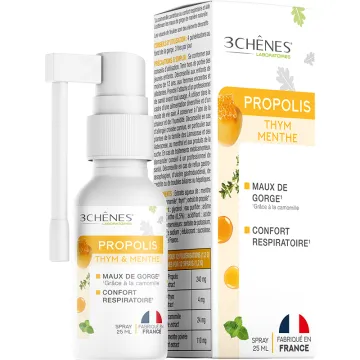
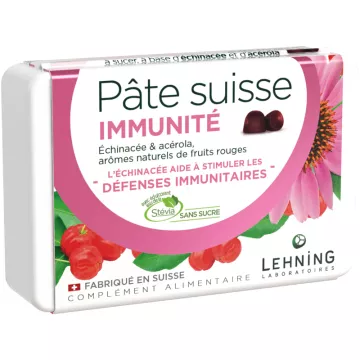
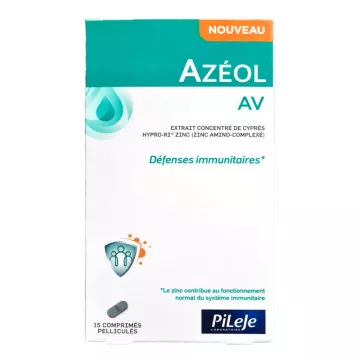
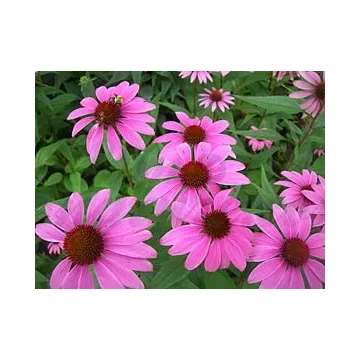
- Winter prevention supplements: vitamin D3 (1,000 to 2,000 IU/day from November to March—in the absence of a prior serum test—standard maintenance dose) — zinc (10 to 15 mg/day) — echinacea (documented immunostimulatory properties for preventing winter infections) — propolis (antiviral and immunostimulatory)
- Winter environment: humidify indoor air (40–60% humidity—air that is too dry dries out the nasal mucous membranes, the first line of defense against viruses)—avoid sudden temperature changes (which temporarily weaken the respiratory mucosa)