What Is a Productive Cough, and Why Should You Never Suppress It?
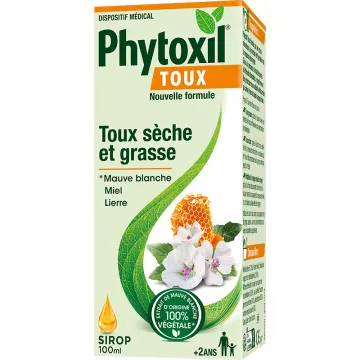
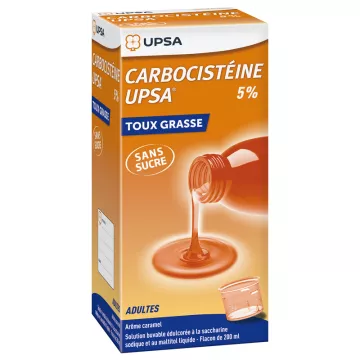
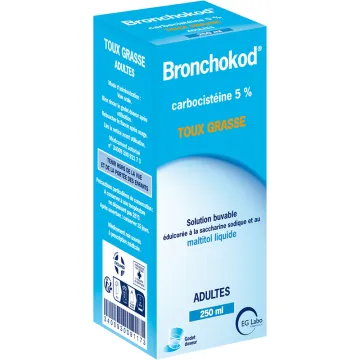
A productive cough —or wet cough—is a cough that expels mucus that has accumulated in the bronchi. Unlike a dry cough, it serves an essential protective function: it clears secretions and pathogens from the respiratory tract. Suppressing it with a cough suppressant would be counterproductive and dangerous—the mucus would accumulate in the bronchi and worsen the obstruction. Natural products for coughs and the respiratory tract are available in the store.
- Mechanism: Goblet cells and submucosal glands in the bronchi produce mucus in response to an infection or inflammation—bronchial cilia transport it upward (mucociliary clearance)—coughing propels it outward—when the mucus is too thick or too abundant, a productive cough becomes the only effective clearance mechanism
- Main causes: the common cold and nasopharyngitis (postnasal drip) — acute viral or bacterial bronchitis — pneumonia — allergies with bronchial hypersecretion — smoking (chronic smoker’s bronchitis — productive morning cough) — COPD
- Mucus color: clear and runny (viral—normal) — yellow-green during the established phase of a viral infection (Days 3–7 — normal, does not indicate a bacterial infection) — persistent green for > 10 days + fever (bacterial superinfection should be considered) — rust-colored or streaked with blood (pneumonia or condition requiring further investigation)
- Difference between a productive cough and a dry cough: productive cough (mucus present, chest congestion, expectorants and mucolytics) — dry, irritative cough (no mucus, antitussives and emollients) — never combine the two treatments
How can a productive cough be effectively treated and relieved?
The goal is to thin and clear the mucus—not to suppress the cough. Hydration (1.5 to 2 L/day) is the first step: water is the simplest and most effective natural mucolytic. Well-hydrated mucus is more fluid, is transported more effectively by the bronchial cilia, and is more easily coughed up. Steam inhalations (10 minutes, 2 to 3 times a day) directly hydrate the bronchial mucous membranes.
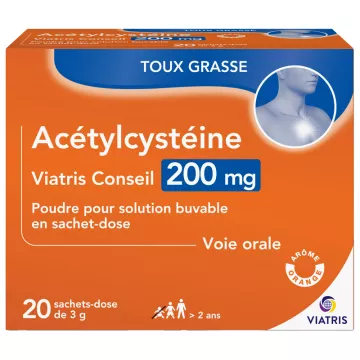
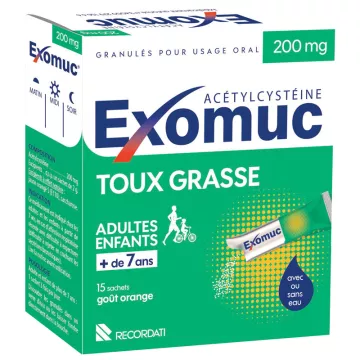
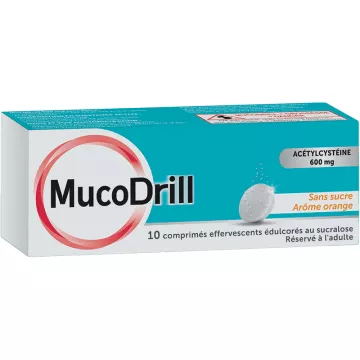
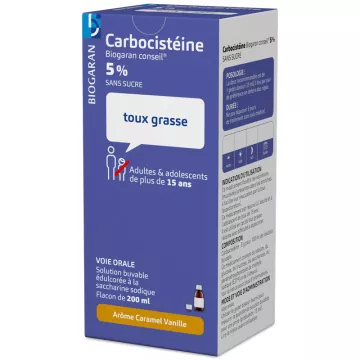
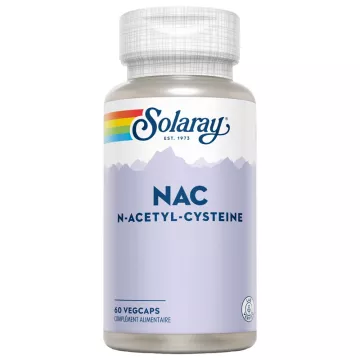
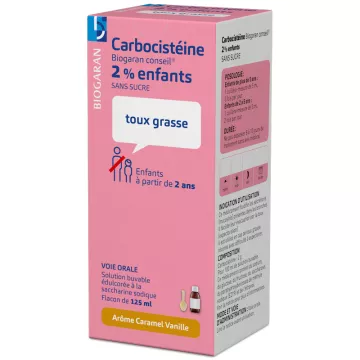
- Expectorants and mucolytics: guaifenesin (expectorant—increases the volume of secretions and reduces their viscosity)—acetylcysteine/NAC (mucolytic—breaks the disulfide bonds in mucins) — ambroxol (mucolytic + stimulates pulmonary surfactant) — carbocysteine (alters the composition of mucins) — never combine with a cough suppressant
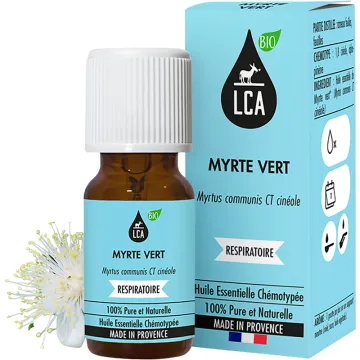
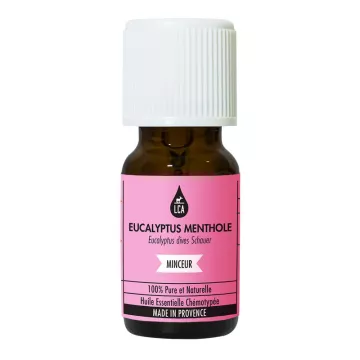
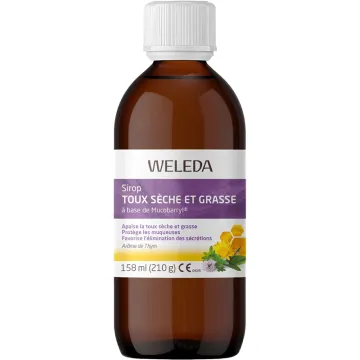
- Natural expectorants: thyme (thymol—expectorant and bronchial antispasmodic—as an infusion, 3 cups/day, or as a syrup) — eucalyptus (1,8-cineole, mucolytic when inhaled) — black radish (raphanol, bronchial mucus-thinning agent — homemade syrup: hollowed-out radish + honey, macerated for 12 hours) — ginger and lemon in hot herbal tea (anti-inflammatory + mucolytic)
- Honey: soothes a throat irritated by repeated coughing — contraindicated for children under 1 year old — combined with thyme or lemon to enhance the effect — 1 to 2 teaspoons in lukewarm herbal tea
- Quitting smoking: Tobacco smoke paralyzes the bronchial cilia responsible for mucociliary clearance — directly worsens a productive cough — the bronchial mucosa begins to regenerate within the first few weeks after quitting
Productive cough in children, allergies, physical activity, and prevention
Children are particularly prone to a productive cough due to frequent respiratory infections in group settings. Central cough suppressants are contraindicated in children under 2 years of age and not recommended until age 6, depending on the product—the natural clearance of mucus must be facilitated, not blocked. Black radish or thyme syrup is well tolerated starting at age 2.
- Productive Cough and Allergies: A recurrent productive cough that occurs during certain seasons or in certain environments suggests an allergic component—sneezing, watery eyes, clear nasal discharge—allergic asthma may manifest as a nocturnal productive cough—treating the underlying allergy (allergic rhinitis —antihistamines + nasal corticosteroids) improves the cough
- Physical activity: Moderate activity improves mucociliary clearance and helps mobilize secretions—beneficial in chronic bronchitis and COPD (active respiratory physical therapy)—should be reduced in cases of fever or marked breathing difficulties
- Foods to avoid: excessive dairy products (may thicken secretions in some people during the acute phase) — highly processed and sugary foods (pro-inflammatory) — alcohol (irritates and dehydrates) — spicy foods (may trigger bronchial spasms)
- Prevention: handwashing — vaccinations (pertussis, flu, pneumococcal) — humidify indoor air (40–60%) — avoid secondhand smoke exposure in children (a major cause of chronic cough and pediatric asthma)