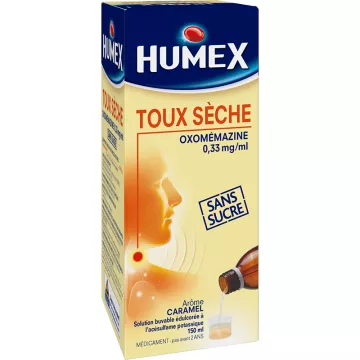
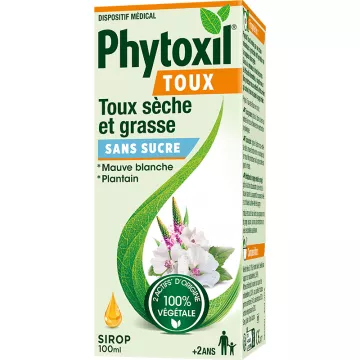
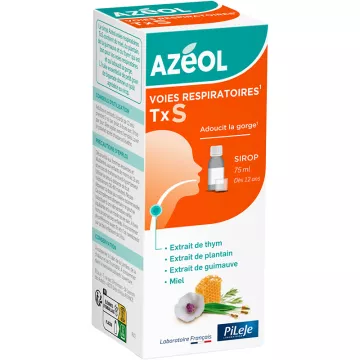
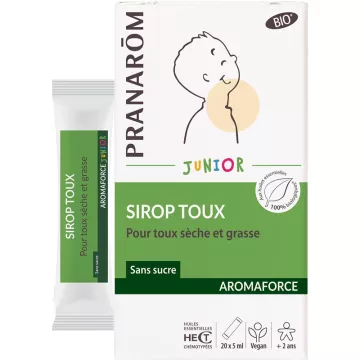
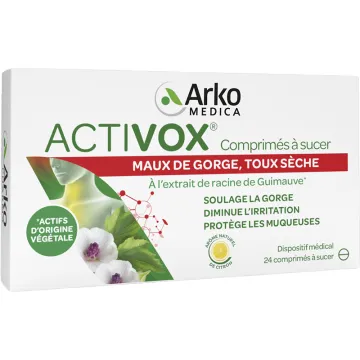
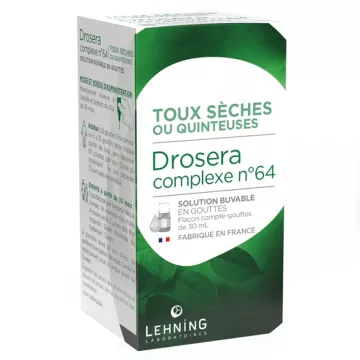
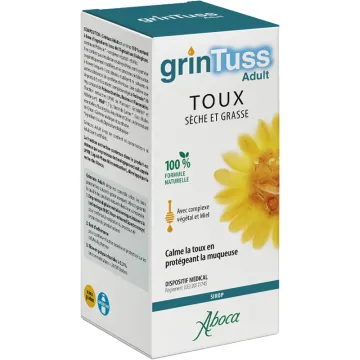
What is a dry cough, and how does it work?
A dry cough is a nonproductive cough—it does not expel mucus. It results from irritation or inflammation of the laryngeal, tracheal, or bronchial mucosa, which activates cough receptors and triggers an expulsion reflex without any secretions to clear. Unlike a productive cough, it has no protective mucociliary function—it is an irritative reflex that should be soothed, not encouraged. Natural products for coughs and winter health are available in the store.
- Infectious causes: the onset of a cold or flu (initial phase before mucus secretion) — laryngitis (inflammation of the vocal cords) — post-infectious residual cough (transient bronchial hyperreactivity 2 to 4 weeks after recovery)
- Non-infectious causes: asthma (dry cough at night or during exertion—bronchospasm without mucus) — gastroesophageal reflux (silent laryngeal acid) — allergic rhinitis with postnasal drip — ACE inhibitor medications (enalapril, ramipril — 10–15% of patients) — dry, cold air (dries out the mucous membranes and lowers the threshold of cough receptors) — smoking — COVID-19 (persistent dry cough)
- Difference between a dry cough and a productive cough: dry cough (irritative, no mucus, antitussives and emollients) — productive cough (mucus present, expectorants and mucolytics) — never combine an antitussive with an expectorant
- Winter and dry cough: cold, dry air (heating, winter outdoors) dries out the mucous membranes and lowers the activation threshold of cough receptors — covering your nose and mouth with a scarf outdoors warms and humidifies the air you breathe in — humidify the indoor air (40–60%)
How can a dry cough be treated and relieved effectively?
The approach to a dry cough is twofold: calm the cough reflex (antitussives) and protect the irritated mucous membranes (emollients). Hydration is essential—drinking small sips of lukewarm water regularly often stops a coughing fit by moistening the mucous membranes and temporarily inhibiting the reflex. Hot beverages provide both hydration and a beneficial steaming effect on the respiratory tract.
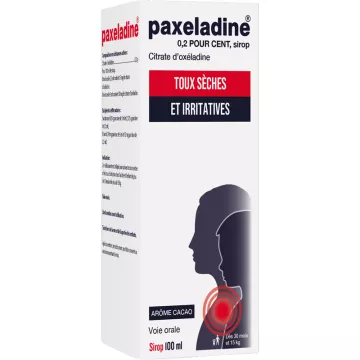
- Medicinal cough suppressants: dextromethorphan (central-acting—reduces sensitivity in the cough center)—codeine (prescription-only—a weak opioid—reserved for severe dry coughs)—oxeladine (peripheral-acting—local action) — never use for a productive cough
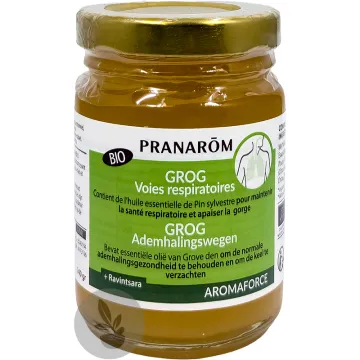
- Natural emollient remedies: honey (1 to 2 teaspoons undiluted—let it melt slowly in the mouth—effectiveness comparable to dextromethorphan in some studies; contraindicated for children under 1 year of age) — marshmallow (film-forming mucilages—cold maceration for 2 hours — protects the laryngeal mucosa) — thyme tea (Thymus vulgaris — thymol, a bronchial antispasmodic) — propolis lozenges (local protective film + antibacterial)
- Humidification and inhalations: humidifier in the bedroom (40–60%) — steam inhalations for 10 minutes 2 to 3 times a day — a few drops ofeucalyptus essential oil for inhalation (decongestant and anti-inflammatory) — wear a scarf over the mouth at night if you have a nighttime cough caused by dry air
- Asthma and dry cough: If the dry cough occurs at night, during exertion, or is wheezing, asthma must be ruled out — bronchodilators (salbutamol) in case of bronchospasm — inhaled corticosteroids as maintenance therapy if asthma persists — do not treat with cough suppressants alone without a diagnosis
Prevention, Diet, and Winter Dry Cough
Preventing a dry cough involves reducing irritants and keeping the mucous membranes moist. In winter, dry indoor air (from heating) and cold outdoor air are the two main non-infectious triggers. Maintaining humidity levels between 40% and 60% in living areas protects the mucous membranes and reduces winter viral infections (rhinoviruses spread more easily in dry air).
- Diet and Respiratory Mucous Membranes: Vitamin C (citrus fruits, kiwi, bell peppers—supports immunity and the integrity of the mucous membranes)—zinc (pumpkin seeds, legumes—an essential cofactor for the immune response)—foods rich in antioxidants (berries, colorful vegetables—reduce inflammation)—avoid very spicy foods (capsaicin activates cough receptors), alcohol (irritates and dehydrates), and cold drinks (bronchial spasms)
- Winter prevention: air out the room for 15 minutes in the morning and evening (reduces airborne viral concentration) — use a humidifier in the bedroom — wear a scarf or neck warmer outdoors — wash your hands frequently — quit smoking (chronically irritates the mucous membranes and lowers the cough threshold)
- Boost immunity: vitamin D3 (1,000–2,000 IU/day from November through March) — probiotics (respiratory and gut microbiota) — adequate sleep (7 to 9 hours — sleep deprivation increases the risk of infection) — regular moderate physical activity