What is laryngitis, and what are its different types?
Laryngitis is an inflammation of the larynx—the organ in the throat that contains the vocal cords. Its main symptoms include a hoarse voice, aphonia (loss of voice), and throat discomfort. Acute laryngitis (lasting less than 3 weeks) is most often caused by a virus, typically as part of a cold or the flu. Chronic laryngitis (lasting more than 3 weeks) is caused by persistent factors: smoking, gastroesophageal reflux, occupational vocal overuse, and exposure to irritants. Natural remedies for winter ailments and throat issues are available in the store.
- Acute viral laryngitis: the most common—rhinovirus, influenza, parainfluenza—gradual onset after catching a chill—hoarseness to aphonia, dry throat, mild dry cough, moderate fever or no fever—spontaneous recovery in 1 to 2 weeks with vocal rest and hydration
- Acute bacterial laryngitis: rare in adults—primarily caused by Streptococcus pyogenes—higher fever, altered general condition—antibiotic therapy required by prescription
- Chronic laryngitis: smoking (continuous irritation and inflammation of the laryngeal mucosa), gastroesophageal reflux (hydrochloric acid on the vocal cords — posterior laryngitis), excessive vocal strain (teachers, singers, lawyers), occupational exposures (dust, fumes)—requires treatment of the underlying cause
- Subglottic laryngitis in children (croup): specific to children aged 6 months to 3 years—parainfluenza virus—inspiratory stridor (high-pitched sound during inhalation), characteristic “barking” cough, hoarse voice—pediatric emergency if there is significant breathing difficulty—seek immediate medical attention if the child is pale, cyanotic, or in respiratory distress
How can laryngitis be effectively treated and relieved?
Vocal rest is the cornerstone of treatment for acute laryngitis—inflamed vocal cords need time without strain to heal. Speaking in a low voice is preferable to whispering: whispering spreads the vocal cords apart and, paradoxically, creates more tension than normal speech. Intensive hydration (1.5 to 2 L/day of warm or lukewarm liquids) moisturizes the laryngeal mucous membranes and thins secretions.
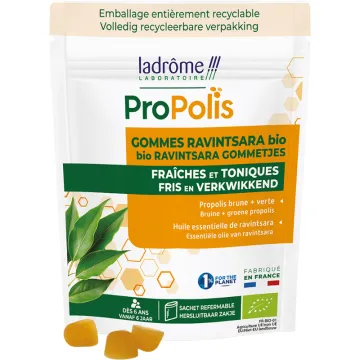
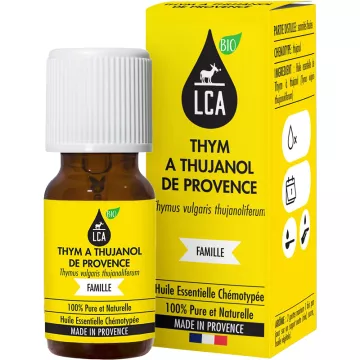
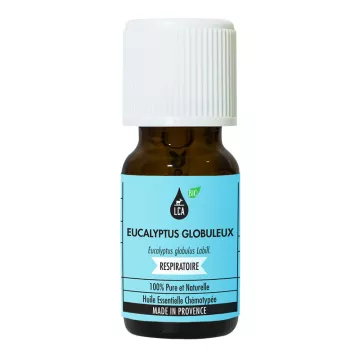
- Effective natural remedies: thyme herbal tea with honey (thymol, an antiseptic for the respiratory tract, plus honey, which soothes the laryngeal mucosa) — eucalyptus inhalation (cineole, which has anti-inflammatory effects on the respiratory tract) — propolis spray or lozenges (antibacterial and anti-inflammatory for the pharyngeal mucosa) — ginger tea (a natural anti-inflammatory)
- Air humidification: humidifier in the bedroom (40–60% humidity) — steam inhalations 2 to 3 times a day (10 minutes) — hot shower with steam — dry air from heating systems worsens laryngeal irritation and prolongs recovery
- Local and systemic anti-inflammatories: antiseptic and anti-inflammatory throat lozenges — ibuprofen (systemic anti-inflammatory) if pain is severe — avoid local sprays with high concentrations of anesthetics, which can mask worsening symptoms
- What to avoid at all costs: tobacco (worsens inflammation and prolongs laryngitis by several days) — alcohol (irritates and dehydrates the mucous membranes) — excessive coffee (a diuretic that worsens dehydration) — cold, dry air — shouting or singing during the acute phase
When should you see a doctor, and how can you prevent recurrences?
Simple acute laryngitis resolves on its own within 1 to 2 weeks without medical consultation. Certain symptoms require a visit to the doctor: a hoarse voice persisting for more than 2 to 3 weeks without improvement (to rule out a nodule, polyp, or laryngeal lesion), difficulty swallowing or breathing, prolonged fever > 38.5 °C, coughing up blood, severe unilateral pain. In children, any respiratory distress, stridor, or subcostal retractions require urgent medical attention.
- Prevention of recurrent laryngitis: treat gastroesophageal reflux if diagnosed (prescription-only PPIs + lifestyle and dietary guidelines: avoid large evening meals, acidic foods, and alcohol) — quit smoking — appropriate vocal technique for voice professionals (speech-language pathologist) — humidify the work environment
- Is laryngitis contagious? Laryngitis itself is not contagious, but the viral infection that causes it is—follow standard preventive measures (handwashing, disposable tissues, ventilation) during the acute phase
- Duration and Recovery: Do not use your voice at full capacity until symptoms have completely disappeared — a gradual recovery (resting your voice for a few more days after the acute phase) prevents immediate relapses — appropriate recovery period