0
Menu
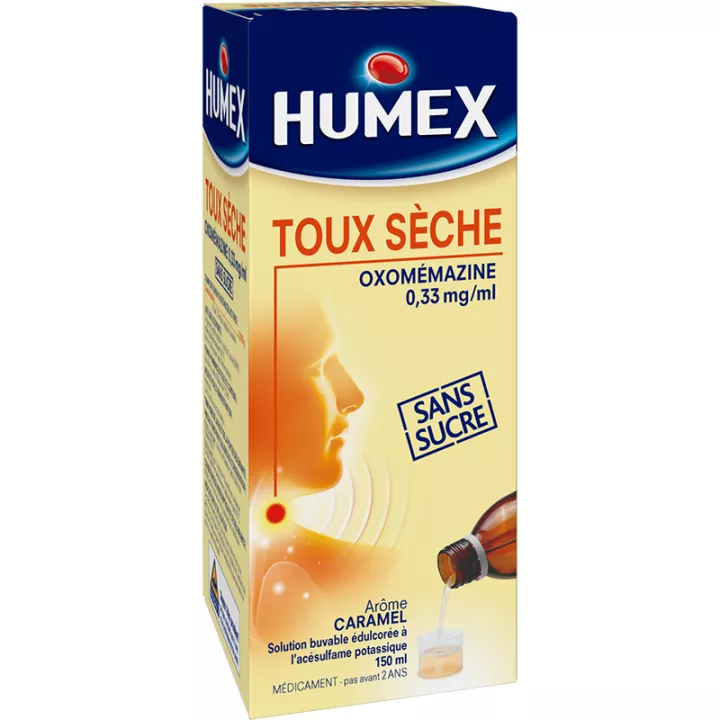
Humex Dry Cough Oxomemazine Sugar-Free Syrup 150 ml
Over-the-counter medication

Humex Dry Cough Oxomemazine Sugar-Free Syrup 150 ml

Brand : Urgo Urgo

Humex Sugar-Free Dry Cough Syrup 150 mlis recommended to relieve dry coughs and irritating coughs in adults and children over 2 years of age, especially when they occur in the evening or at night.

€4.54 EXCL. VAT €4.99 INCL. VAT
In stock Shipped within 24h Secure payment
Reference : 3400949215249
You must be logged in to add this product to a list. Customer login
See delivery conditions

Our doctors of pharmacy advise you

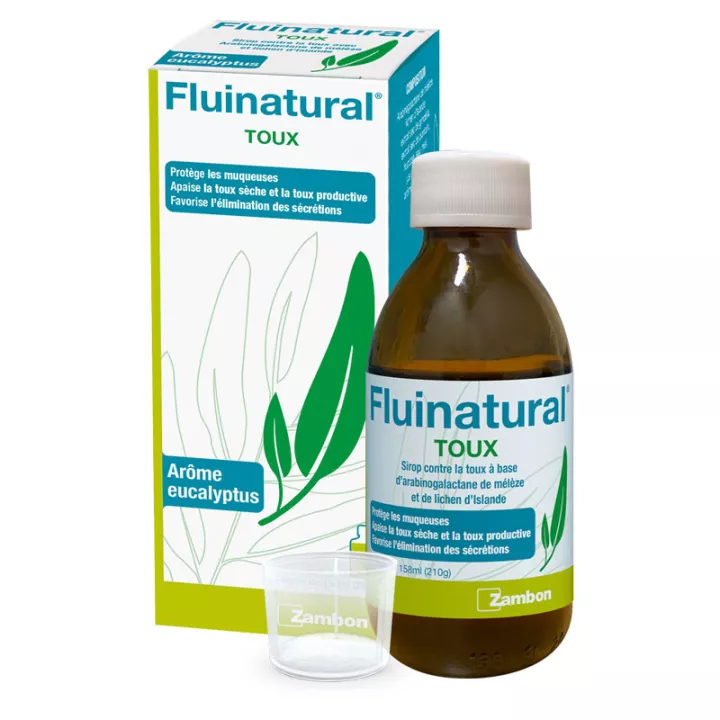
Fluinatural Natural Cough Syrup for Mixed Coughs, 158 ml Fluinatural Natural Cough Syrup for Mixed Coughs, 158 ml
€6.99
Shipped within 24h
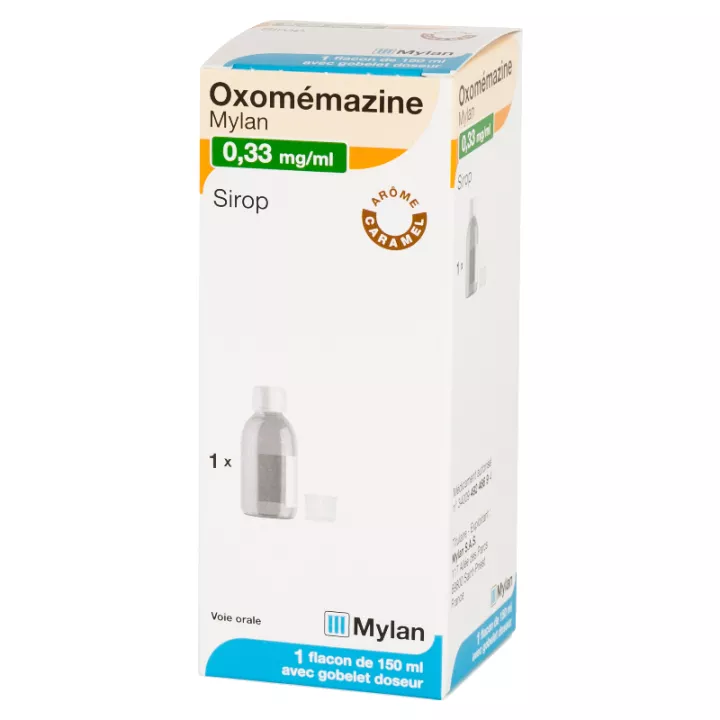
Mylan Oxomemazine 0.33 mg 150 ml Mylan Oxomemazine 0.33 mg 150 ml
€5.99
Add to cart
Shipped within 24h
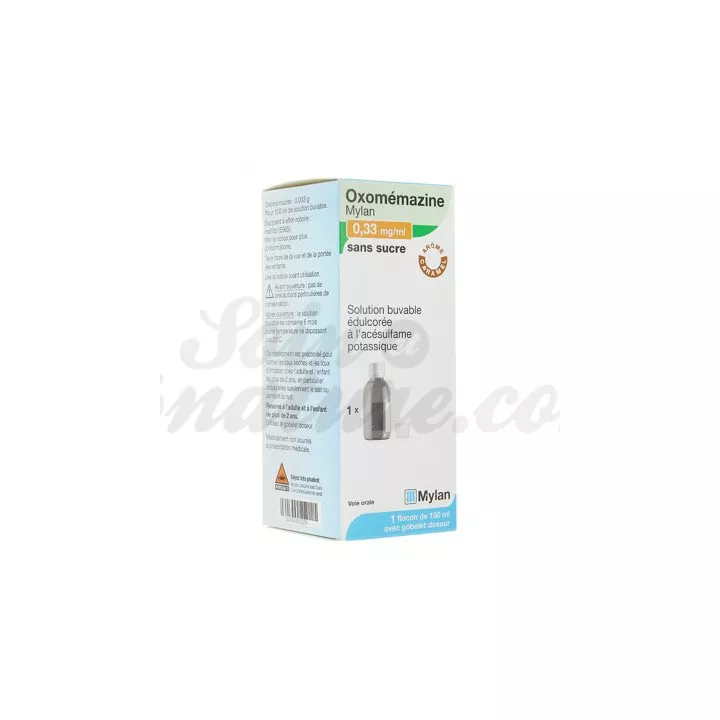
Oxomemazine 0.33 mg Sugar-Free Mylan 150 ml Oxomemazine 0.33 mg Sugar-Free Mylan 150 ml
€5.99
Add to cart
Shipped within 24h
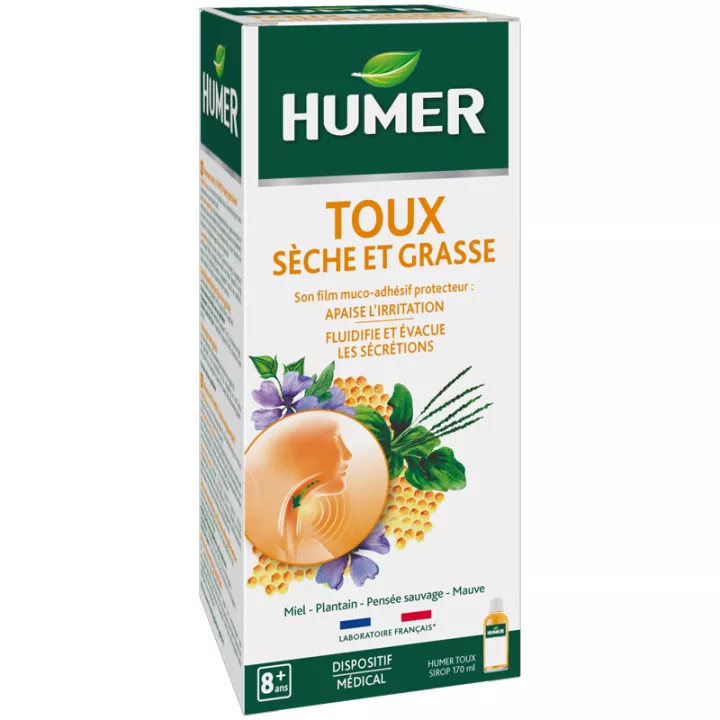
Humer Dry and Productive Cough Syrup 170 ml Humer Dry and Productive Cough Syrup 170 ml
€7.69
Shipped within 24h
Upsa Dry Cough Syrup with Oxomemazine 0.33 mg/mL Upsa Dry Cough Syrup with Oxomemazine 0.33 mg/mL
€5.99
Add to cart
Shipped within 24h
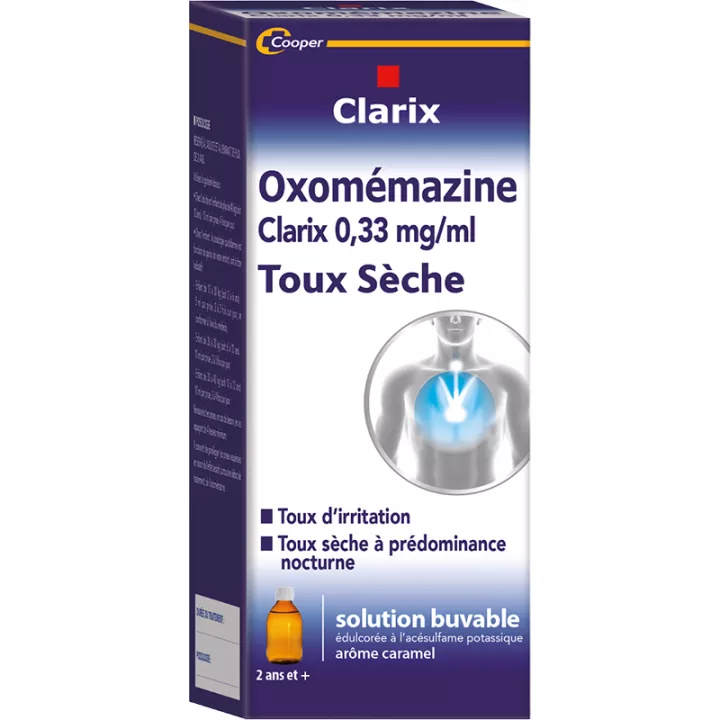
Oxomemazine Cooper Dry Cough 150 ml Oxomemazine Cooper Dry Cough 150 ml
€5.99
Add to cart
Shipped within 24h
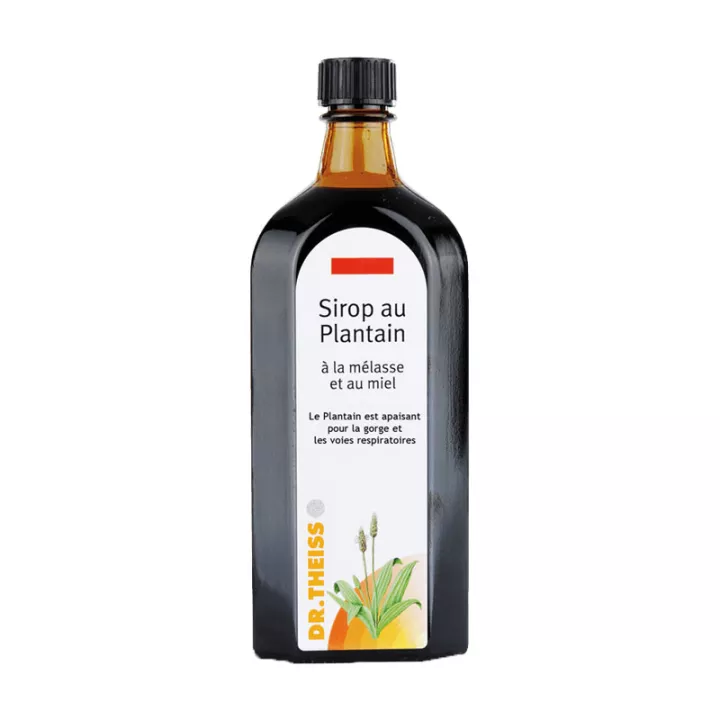
Dr. Theiss Plantain Cough Syrup 250 ml Dr. Theiss Plantain Cough Syrup 250 ml
€10.30
Shipped in 5 to 7 working days

What is Humex Sugar-Free Dry Cough Syrup used for?

When a dry cough disrupts your daily life, it’s hard to get a good night’s sleep or have a productive day. Humex Sugar-Free Dry Cough Syrup is designed to soothe those irritating and often exhausting coughing fits. Thanks to its oxomemazine-based cough suppressant, it soothes the throat, reduces unnecessary coughing, and helps restore breathing comfort, especially in the evening or at night.

This syrup belongs to the class of phenothiazine antihistamines, a type of medication known for its soothing effects on the respiratory tract. Oxomemazine works by blocking the effects of histamine, an inflammatory mediator that is often the cause of bronchial irritation. The result? A mild yet effective sedative action that relieves dry, irritating coughs in adults and children ages 2 and up.

This syrup is also a welcome alternative for those mindful of their sugar intake. Its sugar-free formula, sweetened with acesulfame potassium, is suitable for diabetic diets while offering a pleasant taste thanks to its caramel flavor. And since it contains no added sugar, it doesn’t damage teeth, making it an ideal solution even for the youngest children.

Another key benefit: its gentle effect on the digestive system. Unlike other harsher cough syrups, Humex Sugar-Free Dry Cough is formulated with liquid maltitol and glycerol, ingredients that are gentle on the stomach. You’ll enjoy long-lasting relief without stomach discomfort, even when taking it for several days.

The syrup is best used for a dry, non-productive cough—that is, one without phlegm. It should never be used for a productive cough. Its sedative effect helps restore restful sleep and break the vicious cycle of an irritated throat triggering even more coughing.

In conclusion, Humex Sugar-Free Dry Cough Syrup is a reliable ally against dry coughs, nighttime coughing fits, non-infectious irritations, or sensitivity caused by polluted or air-conditioned environments. Its soothing action, its formula that supports digestive balance, and its lack of sugar make it an ideal solution to keep in your family medicine cabinet.

To gently soothe the throat and improve breathing comfort at night, consider combining this treatment with Stodaline Sugar-Free Homeopathic Syrup, a natural supplement with synergistic effects.

How to use this product?

Directions for Use

Humex Sugar-Free Dry Cough is intended for oral administration using the measuring cup provided. For children ages 2 to 6 (13 to 20 kg), the recommended dose is 5 ml per dose, 2 to 3 times a day. For children ages 6 to 10 (20 to 30 kg), 10 ml per dose, 2 to 3 times a day. For children aged 10 to 12 years (30 to 40 kg), the dosage increases to 10 ml, 3 to 4 times a day. And for those 12 years and older (over 40 kg), including adults, it is recommended to take 10 ml, 4 times a day.

Doses should be spaced at least 4 hours apart. It is recommended to take doses in the evening due to the risk of drowsiness. Treatment should be short, limited to a few days, and discontinued if the cough becomes productive.

Share your feedback on the usage instructions and dosage of Humex Sugar-Free Dry Cough Syrup with our partner Avis Vérifiés after your purchase.

Precautions

  • Do not use in children under 2 years of age
  • Do not use in combination with other cough suppressants or antihistamines
  • Do not take if you are allergic to any of the ingredients (particularly oxomemazine)
  • Not recommended for use in cases of angle-closure glaucoma, urinary disorders, or severe liver disease
  • Use caution when taking sedatives, anxiolytics, or hypnotics
  • Avoid exposure to sunlight or UV rays during treatment
  • Avoid alcohol consumption while taking this medication
  • Risk of significant drowsiness; avoid driving or operating machinery
  • This medication may cause side effects (allergic reactions, drowsiness, dizziness, dry mouth, etc.)
  • Contains maltitol: use with caution in people with sugar intolerance

What are its ingredients?

Oxomemazine, Glycerol, Liquid Maltitol, Acesulfame Potassium, Citric Acid Monohydrate, Sodium Citrate, Sodium Benzoate, Caramel Flavoring, Purified Water

Nutritional Values of Humex Sugar-Free Dry Cough Syrup

This medication is sugar-free but contains maltitol (2.3 kcal/g). It may therefore have a mild laxative effect with prolonged use. It is sodium-free (less than 1 mmol per 10-ml dose) and contains no sucrose or alcohol.

Packaging

Humex Sugar-Free Dry Cough Syrup comes in a 150-ml brown glass bottle with a measuring cup included. Its caramel-flavored formula makes it more pleasant to take, even for children as young as 2 years old.

Expert Advice and Recommendations

As a pharmacy specializing in natural remedies, we recommend enhancing the effectiveness of Humex Sugar-Free Dry Cough Syrup with a few simple, body-friendly steps:

  • Stay hydrated regularly with soothing herbal teas made from mallow, marshmallow, or thyme, known for their emollient and calming effects on the respiratory tract.
  • Use an essential oil diffuser with eucalyptus radiata or ravintsara to purify the air in the room, while avoiding direct exposure to children.
  • In the evening, set up a humidifier in the bedroom to prevent the mucous membranes from drying out, which can lead to a dry cough.
  • During the winter or allergy season, remember to regularly rinse the nose with an isotonic seawater spray to reduce nasal irritation that can trigger reflex coughs.
  • Finally, prioritize rest: a cough is the body’s warning signal, and sleep is the best way to recover.

A combined approach using conventional medications and natural remedies allows you to effectively address symptoms while maintaining the body’s overall balance.


Pharmacovigilance Report an adverse drug reaction(s)

Download PDF leaflet

NOTICE

ANSM - Last updated: 11/05/2017

Name of the medicinal product

HUMEX DRY OXOMEMAZINE DRINK 0.33 mg / ml SUGAR-FREE, oral solution sweetened with acesulfame potassium

oxomemazine

framed

Read this leaflet carefully before you start taking this medicine. It contains important information for your treatment.

If you have any further questions, ask your doctor or pharmacist.

· Keep this leaflet, you may need to read it again.

· If you need more information and advice, ask your pharmacist.

· If symptoms worsen or persist, consult a physician.

If you notice any side effects not listed in this leaflet, or if you experience any of the effects listed as serious, please tell your doctor or pharmacist.

Review summary

In this notice :

1. WHAT IS HUMEX DRY OXOMEMAZINE DRINK 0.33 mg / ml SUGAR-FREE, oral solution sweetened with acesulfame potassium AND WHAT IT IS USED FOR?

2. BEFORE YOU TAKE HUMEX DRY OXOMEMAZINE DRINK 0.33 mg / ml SUGAR-FREE, oral solution sweetened with acesulfame potassium?

3. HOW TO TAKE HUMEX DRY OXOMEMAZINE DRINK 0.33 mg / ml SUGAR-FREE, oral solution sweetened with acesulfame potassium?

4. WHAT ARE POSSIBLE SIDE EFFECTS?

5. HOW TO STORE HUMEX DRY OXOMEMAZINE DRINK 0.33 mg / ml SUGAR-FREE, oral solution sweetened with acesulfame potassium?

6. ADDITIONAL INFORMATION

1. WHAT IS HUMEX DRY OXOMEMAZINE DRINK 0.33 mg / ml SUGAR-FREE, oral solution sweetened with acesulfame potassium AND WHAT IT IS USED FOR?

Pharmacotherapeutic group

This medicine contains an antihistamine, oxomemazine.

Therapeutic indications

It is recommended to calm dry coughs and coughs of irritation in adults and children over 2 years of age, especially when they occur in the evening or at night.

2. BEFORE YOU TAKE HUMEX DRY OXOMEMAZINE DRINK 0.33 mg / ml SUGAR-FREE, oral solution sweetened with acesulfame potassium?

List of information needed before taking the medication

If your doctor has told you about an intolerance to some sugars, contact your doctor before taking this medicine.

Cons-indications

Do not take this medication:

· in infants (less than 2 years of age),

· if you are allergic (hypersensitive) to any of the components ( see list in section 6 "Additional information" ), including antihistamines (medicines used to treat certain allergies)

· if you have a history of agranulocytosis (significant decrease in white blood cells),

· if you have difficulty passing urine of prostatic or other origin,

· if you have some forms of glaucoma (increased pressure inside the eye).

If in doubt, it is essential to seek the advice of your doctor or pharmacist.

Precautions for use; special warnings

Take special care with this medicine:

Coughing is a symptom that can have various origins: respiratory infections, bronchitis, flu, allergy, asthma, pertussis (infectious disease), irritation, etc ...

Tobacco use worsens or maintains cough.

Consult your doctor if you develop a fever with or without signs of infection (angina ...), paleness or sweating.

Do not treat a fatty cough with this medication because in this case, coughing is a natural defense necessary for the evacuation of bronchial secretions.

If the cough becomes oily, is accompanied by clutter, sputum, fever, ask the doctor for advice.

In the case of chronic (long-term) bronchial or lung disease accompanied by cough with sputum, medical advice is essential.

An expectorant or mucolytic (bronchial fluid-thinning drugs) should not be combined.

In case of long-term liver or kidney disease , consult your doctor to adjust the dose.

Taking this medication requires medical advice:

· in the elderly:

o predisposed to constipation, dizziness or drowsiness,

o having prostate disorders;

· in children with asthma or gastro-oesophageal reflux (acid burns and ascents),

· in case of severe heart disease or epilepsy.

Tell your doctor before taking this antihistamine.

Refrain from taking alcoholic beverages or medication containing alcohol during this treatment.

The use of this medication is not recommended in patients with fructose intolerance (rare hereditary disease).

Do not expose yourself to sunlight or UVA during treatment.

This medication should be used with caution due to the risk of sedation. Combination with other sedative medicinal products is not recommended ( see section "Other medicinal products and other medicinal products" ).

In case of doubt, do not hesitate to seek the advice of your doctor or pharmacist.

Interaction with other medicines

Taking or using other medicines

This medicine contains an antihistamine, oxomemazine. Other medicines contain it. Do not combine them in order not to exceed the recommended daily dose ( see section "Dosage" ).

Combination with other sedative medicines is not recommended because of the increased risk of sedation.

Please tell your doctor or pharmacist if you are taking or have recently taken any other medicines, even medicines obtained without a prescription.

Interactions with food and beverages

Food and drinks

Do not take alcoholic beverages or medication containing alcohol during this treatment.

Interactions with Herbal Medicines or Alternative Therapies

Not applicable.

Use during pregnancy and lactation

Pregnancy

This medication should not be used, unless otherwise advised by your doctor, during the first trimester of pregnancy.

If you discover that you are pregnant during treatment, consult your doctor promptly: he alone will be able to adapt the treatment to your condition.

At the end of pregnancy, abuse of this drug may cause adverse effects in the newborn. Therefore, always seek the advice of your doctor before using it and never exceed the recommended dose and duration of treatment.

feeding

This drug passes into breast milk. Due to its pronounced sedative (tranquilizing) properties, its intake should be avoided in case of breast-feeding.

Ask your doctor or pharmacist for advice before taking any medicine.

Sport

Not applicable.

Effects on ability to drive or use machines

Driving and using machines

Attention is drawn to the possibilities of somnolence associated with the use of this medication, especially at the beginning of treatment, especially among vehicle drivers and machine users.

This phenomenon is accentuated by the use of alcoholic beverages or medicines containing alcohol.

List of excipients with known effect

Important information about some of the ingredients of this medication:

This medicine contains maltitol (E965).

3. HOW TO TAKE HUMEX DRY OXOMEMAZINE DRINK 0.33 mg / ml SUGAR-FREE, oral solution sweetened with acesulfame potassium?

Instructions for proper use

Not applicable.

Dosage, Mode and / or route (s) of administration, Frequency of administration and Duration of treatment

Administration mode

Oral use.

Reserved for adults and children over 2 years of age.

Use the measuring cup.

Dosage

In adults and children over 40 kg (12 years) : 10 ml per dose, 4 times a day.

In children : the daily dosage depends on the weight of your child, either as an indication:

· Child 13 to 20 kg (2 to 6 years): 5 ml per dose, 2 to 3 times a day, comply with the advice of the doctor,

· Child 20 to 30 kg (6 to 10 years): 10 ml per dose, 2 to 3 times daily,

· Child 30 to 40 kg (10 to 12 years): 10 ml per dose, 3 to 4 times a day.

Frequency of Administration

Replace the plugs, if necessary, by spacing them at least 4 hours.

Due to the sedative effect, especially at the beginning of treatment, oxomemazine should be preferred.

Duration of treatment

Treatment should be short (a few days) and limited to coughing times.

If your cough persists, seek advice from your doctor.

If you think the effect of this medicine is too strong or too weak:

Consult your doctor or pharmacist.

Symptoms and Instructions for Overdose

If you take more of this medication than you should:

Immediately consult your doctor or pharmacist.

Instructions for omission of one or more doses

If you forget to take this medicine:

Do not take a double dose to make up for a missed dose.

Risk of withdrawal syndrome

Not applicable.

If you have any further questions on the use of this medication, ask your doctor or pharmacist.

4. WHAT ARE POSSIBLE SIDE EFFECTS?

Description of adverse reactions

Like all medicines, HUMEX TOUX DRY OXOMEMAZINE 0.33 mg / ml SUGAR-FREE, oral solution sweetened with acesulfame potassium is likely to have undesirable effects, although not everyone is subject to it.

Stop treatment immediately and tell your doctor if you:

· Allergic reactions of type:

o rash (erythema, eczema, purpura, urticaria),

o angioedema (urticaria with sudden swelling of the face and neck, which can cause respiratory discomfort),

o anaphylactic shock,

o phenomena of sensitization of the skin under the effect of the sun.

· Significant decrease in white blood cells in the blood, which may be manifested by the onset or recurrence of fever with or without signs of infection.

· Abnormal decrease in platelets in the blood that may result in nosebleeds or gums.

In more frequent cases:

· Drowsiness, decreased vigilance, more marked at the beginning of treatment,

· Disorders of memory or concentration, dizziness,

· Motor incoordination, tremors,

· Confusion, hallucinations,

· Dryness of the mouth,

· Visual impairment,

· Retention of urine,

· Constipation,

· palpitations,

· Low blood pressure.

In more rare cases:

· Signs of excitement (agitation, nervousness, insomnia).

If you notice any side effects not listed in this leaflet, or if any of the side effects gets serious, contact your doctor or pharmacist.

5. HOW TO STORE HUMEX DRY OXOMEMAZINE DRINK 0.33 mg / ml SUGAR-FREE, oral solution sweetened with acesulfame potassium?

Keep out of the reach and sight of children.

Expiration date

Do not use after the expiry date stated on the carton. The expiry date refers to the last day of the month.

Storage conditions

Before opening : no special precautions for storage.

After opening : the oral solution is kept for 6 months at a temperature not exceeding 25 ° C.

If necessary, warnings against visible signs of deterioration

Medicines should not be disposed of via wastewater or household waste. Ask your pharmacist what to do with unused medications. These measures will help protect the environment.

6. ADDITIONAL INFORMATION

Full list of active substances and excipients

What HUMEX TOUX DRESS OXOMEMAZINE contains 0.33 mg / ml WITHOUT SUGAR, oral solution sweetened with acesulfame potassium?

The active substance is:

Oxomemazine ................................................. .................................................. .............................. 0.033 g

For 100 ml of oral solution.

The other components are :

Glycerol, maltitol (E965), acesulfame potassium, citric acid monohydrate, sodium citrate, sodium benzoate (E211), caramel flavor *, purified water.

* Contains in particular propylene glycol, vanillin, 3-hydroxybutanone (acetylmethylcarbinol).

Pharmaceutical form and content

What is HUMEX DRESS OXOMEMAZINE 0.33 mg / ml SUGAR-FREE, oral solution sweetened with acesulfame potassium and contents of the pack?

This medication is in the form of a drinkable solution in a 150 ml bottle (brown glass).

Name and address of the marketing authorization holder and the holder of the manufacturing authorization responsible for the release of the lots, if different

Holder

URGO HEALTHCARE LABORATORIES

42 RUE DE LONGVIC

21300 CHENOVE

exploiting

URGO HEALTHCARE LABORATORIES

42 RUE DE LONGVIC

21300 CHENOVE

Maker

H2 PHARMA

ZAC LA CROIX BONNET

21 RUE JACQUES TATI

78390 BOIS D'ARCY

LA FRANCE

or

URGO LABORATORIES

AVENUE OF STRASBOURG

ZONE EXCELLENCE 2000

21800 CHEVIGNY SAINT SAUVEUR

Names of the medicinal product in the Member States of the European Economic Area

Not applicable.

Date of approval of the notice

The last date on which this leaflet was approved is {date}.

AMM under exceptional circumstances

Not applicable.

Internet Information

Detailed information on this medicine is available on the Afssaps website (France).

Information for health professionals only

Not applicable.

Other

Not applicable.

VIDAL OF THE FAMILY

HUMEX DRY CREAM OXOMÉMAZINE

Antitussive antihistamine

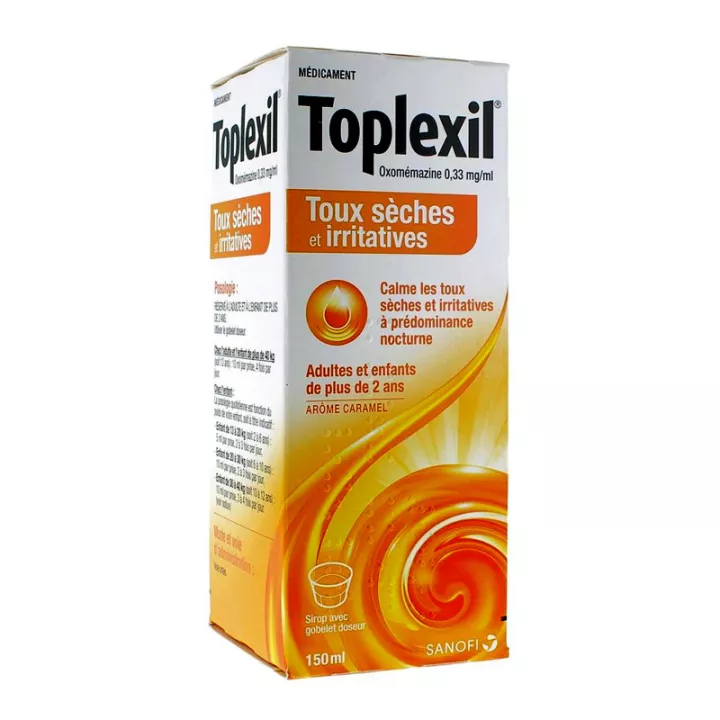
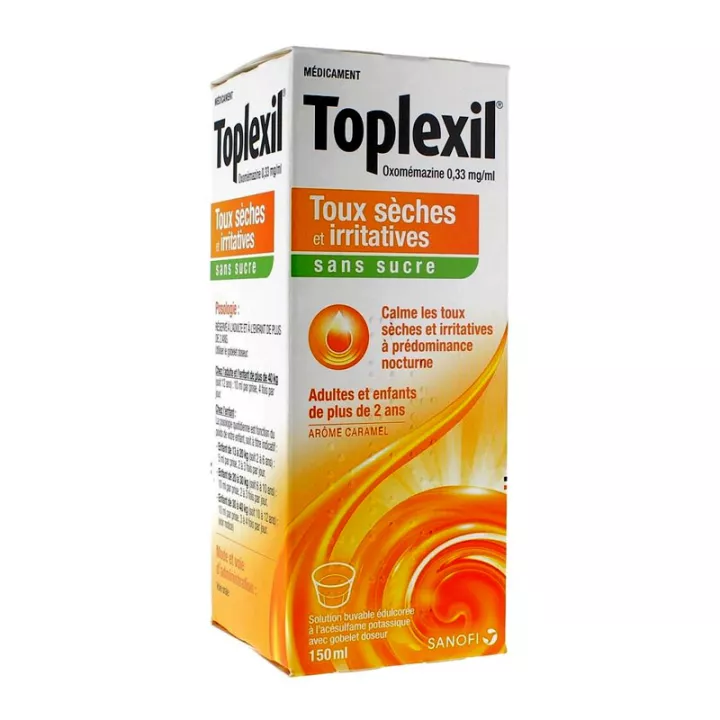
This medication is a generic of TOPLEXIL

. Presentations . Composition . Indications . Contraindications . Warning . Drug Interactions . Pregnancy and breastfeeding . Directions for use and dosage . Advice . Undesirable effects . Lexicon

PRESENTATIONS (summary)

HUMEX DRY CREAM OXOMÉMAZINE: syrup (caramel flavor); 150 ml bottle with measuring cup.
-

HUMEX DRY CLEANSING OXOMÉMAZINE without sugar: oral solution (caramel flavor); 150 ml bottle with measuring cup.
-

Laboratory

COMPOSITION (summary)
p 5 ml p 5 ml
oxomemazine 1.65 mg 1.65 mg
Sucrose 3.7 g
maltitol 4.2 g

INDICATIONS (summary)
This medication contains an antihistamine from the family of phenothiazines. It has antitussive and sedative properties .
It is used in the symptomatic treatment of dry coughs, especially those that occur at night.
CONTRAINDICATIONS (summary)
This medication should not be used in the following cases:
WARNING (Contents)
This medication is not suitable for the treatment of fatty cough, which is a normal defense mechanism of the body allowing the evacuation of the mucus present in the bronchi.
Cough is a symptom that can reveal many diseases ( allergies , heart disease, lung, digestive ...): consult your doctor if it persists for more than a few days.
Precautions are necessary in case of heart disease, epilepsy , hepatic insufficiency, renal insufficiency and in the elderly, especially in case of chronic constipation, prostate adenoma , tendency to dizziness or drops Of voltage.
Oxomemazine, like other drugs in the phenothiazine family, is likely to cause photosensitivity reactions: Avoid exposure to the sun during treatment.
Avoid alcoholic beverages: increased risk of drowsiness.
This medication may induce somnolence, sometimes intense in some people. This drowsiness can be increased by taking alcohol or other sedative drugs. Driving and using hazardous machines are not recommended, especially within hours of taking the medication.
DRUG INTERACTIONS (summary)
This medicinal product must not be combined with medicinal products containing cabergoline or quinagolide: the risk of their effects being nullified.
Tell your doctor or pharmacist if you are taking any other medicines that have atropine or sedative effects (tranquillizers, sleeping pills, some cough or pain medications containing opioids , antidepressants , neuroleptics, etc.).
PREGNANCY AND BREAST-FEEDING (summary)
Pregnancy :
The effect of this medication during pregnancy is not well known: only your doctor can evaluate the possible risk of its use in your case.
In case of termination of pregnancy, monitoring of the newborn may be necessary.

Breastfeeding:
The data currently available do not indicate whether this drug passes into breast milk: as a precaution, it is not recommended during breast-feeding.
DIRECTIONS FOR USE AND DOSAGE (summary)
This medication is taken preferably at the time of the cough, by spacing the catches of at least 4 hours. Evening catches should be preferred because of the risk of drowsiness.

Usual dosage:

  • Adult and child over 40 kg (over 12 years): 1 cup graduated to 10 ml, 4 times a day.
  • Child 30 to 40 kg (approximately 10 to 12 years): 1 cup graduated to 10 ml, 3 or 4 times a day.
  • Child of 20 to 30 kg (approximately 6 to 10 years): 1 cup graduated to 10 ml, 2 or 3 times a day.
  • Child 12 to 20 kg (approximately 2 to 6 years): 1 cup graduated to 5 ml, 2 or 3 times a day.
TIPS (summary)
If you are a smoker, continuing smoking affects the effectiveness of the treatment.
Simple measures, hot drinks and humidification of the ambient air, allow to calm the dry coughs.
POSSIBLE ADVERSE EFFECTS (summary)
Drowsiness.
Atropine effects: dry mouth, difficulty in accommodation , blocked urine, constipation, palpitations .
Orthostatic hypotension , dizziness .
Tremors, poor coordination of movements.
Agitation, confusion of ideas.
Allergic reaction , photosensitization .
Abnormal blood count .


GLOSSARY (summary)


accommodation
"Focus" of the eye, allowing clear vision close up. Presbyopia is the most common disorder of accommodation; some drugs such as atropine may cause passenger accommodation problems.


adenoma of the prostate
Increase in the volume of the prostate gland located under the bladder of man. This increase in volume is benign, has no relationship to cancer, but can interfere with the passage of urine into the urethra through the gland.
Symptoms that suggest the presence of a prostate adenoma are:
  • difficulty urinating (slowness, weakness of the spray);
  • the need to get up several times at night to urinate;
  • urges to urinate imperiously and difficult to control.
Some drugs, especially atropinics, may have the undesirable effect of aggravating the discomfort and may lead to a total blockage of the bladder evacuation. They are therefore contraindicated or should be used cautiously in men with the symptoms described above.


agranulocytosis
Disappearance of white blood cells. This serious condition prevents the body from reacting to infections. It is most often due to the toxicity of a drug on the bone marrow, where the blood cells are made.


alcohol
General name designating a family of substances that have the property of being able to be mixed with water and fatty substances. The most common alcohol is ethyl alcohol (ethanol), but there are many other alcohols: methanol, butanol, etc. The degree of alcoholic solution corresponds to the volume of pure alcohol present in 100 ml of solution, knowing that 1 glass of wine or 1/2 of beer (25 cl) contains about 8 g of alcohol.
When alcohol is used as an antiseptic, an unpleasant odor denaturant is often added to prevent drinking. Contrary to a widespread belief, alcohol at 70o (or even 60o) is a better antiseptic than alcohol at 90o.


allergy
Skin reaction (itching, pimples, swelling) or general discomfort occurring after contact with a particular substance, use of a medication, or ingestion of food. The main forms of allergy are eczema, urticaria, asthma, angioedema and allergic shock (anaphylactic shock). Food allergy can also result in digestive disorders.


antecedent
Affection healed or always in evolution. The antecedent may be personal or family. The background is the history of a person's health.


antidepressants
Medication that works against depression. Some antidepressants are also used to combat obsessive-compulsive disorder, generalized anxiety, certain rebellious pain, enuresis, etc.
Depending on their mode of action and adverse effects, antidepressants are divided into different families: imipraminic antidepressants, serotonin reuptake inhibitors, selective or non-selective MAOIs. Finally, other antidepressants do not belong to any of these families, because they possess original properties.
The mode of action of antidepressants has two main aspects: the relief of moral suffering and the fight against inhibition which removes all will to action from the depressed. There may be a time lag between these two effects: moral suffering may persist, while the capacity for action reappears. During this short period, the risk of suicide in some depressed people can be increased. The physician takes it into account in its prescription (possible association with a tranquillizer) and it must imperatively be respected.


antihistamine
Medication that opposes different effects of histamine. Two main types exist: antihistamines type H1 (antiallergic) and antihistamines type H2 (gastric antiulcer). Some antihistamines of type H1 are sedative, others do not alter vigilance.


atropine
Medication with effects similar to those of atropine. Atropinics fight spasms and diarrhea. Adverse effects of atropinic drugs include: thickening of bronchial secretions, dry mouth and mucous membranes, constipation, risk of urine blockage and acute glaucoma in susceptible persons, accommodation disorders, abnormal sensitivity to light by dilation of the pupil. Taking several atropine medicines increases the risk of adverse effects. In the event of overdose or accidental ingestion, the following signs may also appear: red and warm skin, fever, acceleration of breathing, fall or, on the contrary, elevated blood pressure, agitation, hallucinations, poor coordination of movements. Emergency care should be given to your doctor or, if not available, call 15, 112 or an emergency medical service.
In addition to atropine and its derivatives, other drugs have atropine effects: imipraminic antidepressants, some antihistamines, antispasmodics, antiparkinsonian and neuroleptic.


epilepsy
A chronic seizure disorder associated with abnormal electrical activity of a group of brain cells. Its manifestations, varying in intensity, range from the sudden drop in attention (absences, or small evil) to loss of consciousness accompanied by abnormal muscle movements (convulsions, or great evil). Partial epilepsy, as its name implies, does not concern the whole body: the jerky movements only touch one or more muscle groups.


glaucoma
Disease characterized by increased pressure of the fluids contained in the eye (intraocular hypertension).
This general term covers two totally different affections:
  • Open angle glaucoma or chronic glaucoma is the most common; it is generally symptom-free, detected by the measurement of intraocular tension in the ophthalmologist. It does not cause acute seizures, and treatment relies primarily on beta-blocking eye drops. People with open-angle glaucoma should not use cortisone derivatives without prior ophthalmologic advice.
  • Closed-angle glaucoma or acute glaucoma is more rare. Between seizures, intraocular tension is normal. But the inadvertent use of atropine medicines (especially eye drops) causes an acute crisis of intraocular hypertension which can permanently damage the retina in a few hours. It is an ophthalmological emergency that is recognized by a brutally red eye, horribly painful, hard as a glass ball, and whose vision becomes blurred.
The angle in question in these two affections is the irido-corneal angle. It is indeed between the iris and the cornea that is located the system of evacuation of the liquids of the eye. A slightly open (closed) angle exposes a total obstruction of the evacuation system. This obstruction can occur when the iris is opened to the maximum (mydriasis) under the effect of an atropinic drug: the iris then comes to be attached to the cornea.
Contraindications for atropine medicines are limited to those who have already had closed-angle glaucoma or have been detected by an ophthalmologist. Those who suffer from chronic open angle glaucoma are not affected by these contraindications.


Orthostatic hypotension
Reduced blood pressure when changing from elongated to standing. Due mostly to drugs, orthostatic hypotension results in dizziness with risk of fall, especially in the elderly. These disturbances can be prevented by avoiding sudden changes of position: sit for a few moments at the edge of the bed before standing, slowly rising from a seat, keeping a support before moving.
Wearing compression stockings, which prevents blood from flowing back to the legs while standing, is also used to treat orthostatic hypotension.


Hepatic insufficiency
Inability of the liver to perform its function, which is essentially the elimination of some waste, but also the synthesis of many biological substances essential to the body: albumin, cholesterol and coagulation factors (vitamin K, etc.).


renal failure
Inability of the kidneys to eliminate waste or medicinal substances. Advanced renal insufficiency does not necessarily result in a decrease in the amount of urine excreted. Only a blood test and creatinine dosage may reveal this disease.


neuroleptics
Family of medicines used in the treatment of certain nervous disorders or various symptoms: digestive disorders, menopausal disorders, etc.


new born
Child less than one month old.


blood count
The count measures the number of red blood cells (red blood cells), white blood cells (leukocytes) and platelets in the blood. The blood formula specifies the percentage of different white blood cells: neutrophils, eosinophils, basophils, lymphocytes, monocytes.
Abbreviation: NFS.


opiates
A chemical family that includes opium and its derivatives. In addition to drugs such as opium or heroin, the opiate family includes morphine (strong analgesic), codeine (antitussive and analgesic) and many other substances.


palpitations
Abnormal perception of irregular heartbeat.


photosensitivity
Abnormal sensitivity of the skin to light or ultraviolet rays due to a drug or a natural or chemical substance.


Allergic reaction
Reaction due to hypersensitivity of the organism to a drug. Allergic reactions can take a wide variety of aspects: urticaria, angioedema, eczema, eruption of pimples resembling measles, etc. Anaphylactic shock is a generalized allergic reaction that causes discomfort due to a sudden drop in blood pressure.


sedative
  • Quiets, calms down.
  • Medication belonging to different families: anxiolytics, hypnotics, analgesics, antitussives, antiepileptics, neuroleptics, etc. but also antidepressants, antihistamines H1, antihypertensives. A sedative can be responsible for drowsiness and increase the effects of alcohol.


symptom
Trouble felt by a person with an illness. The same symptom can translate different diseases and the same disease does not necessarily give the same symptoms in all the patients.


symptomatic treatment
Treatment that suppresses or alleviates the symptoms of a disease without addressing its cause.


dizziness
Symptom that can mean an impression of loss of balance (common sense) or, more strictly, a sense of rotation on oneself or the environment (medical sense).

RELATED SEARCHES WITH SYRUPS AND MEDICATIONS FOR A DRY COUGH

Advice from our naturopaths

How to cure cough with homeopathy? How to cure cough with homeopathy?

Whether it is dry or oily? Night or day? How to take care of your cough while respecting the natural process of our body thanks to homeopathy? The first step to take to take charge of your cough is first to realize that it is the body's natural defense against microbial attacks (viruses or bacteria). It is also necessary to distinguish the dry…

Read the article on the blog
What is pertussis? What is pertussis?

Whooping cough, also known as pertussis, is an acute bacterial infection of the respiratory tract caused by Bordetella pertussis. This disease is particularly dangerous for infants and young children. All age groups can be affected. Pertussis initially manifests itself with symptoms similar to those of the common cold. However, they rapidly progress to violent, characteristic coughing fits, followed by noisy,…

Read the article on the blog
What are the natural remedies for whooping cough? What are the natural remedies for whooping cough?

Whooping cough, a highly contagious respiratory infection caused by the Bordetella pertussis bacterium, can be particularly severe in infants and young children. In addition to standard antibiotic treatments, there are a number of natural remedies that can be used to treat this disease. Medicinal plants and essential oils offer alternatives for relieving symptoms and boosting the immune system. Homeopathy and…

Read the article on the blog
Natural Health Advice

Order a selection of products frequently purchased by our customers

Toplexil Oxomemazine Syrup 150 ml Toplexil Oxomemazine Syrup 150 ml
€5.99
Add to cart
Shipped within 24h
Toplexil Sugar-Free Syrup for Dry Cough, 150 ml Toplexil Sugar-Free Syrup for Dry Cough, 150 ml
€5.99
Shipped within 24h
Reactine Allergy 10 mg, 7 tablets Reactine Allergy 10 mg, 7 tablets
€3.99
Add to cart
Shipped within 24h
Mylan Oxomemazine 0.33 mg 150 ml Mylan Oxomemazine 0.33 mg 150 ml
€5.99
Add to cart
Shipped within 24h
Oxomemazine 0.33 mg Sugar-Free Mylan 150 ml Oxomemazine 0.33 mg Sugar-Free Mylan 150 ml
€5.99
Add to cart
Shipped within 24h
Rhinotrophyl Antiseptic Nasal Spray for Babies Rhinotrophyl Antiseptic Nasal Spray for Babies
€3.80
Add to cart
Shipped within 24h
Upsa Dry Cough Syrup with Oxomemazine 0.33 mg/mL Upsa Dry Cough Syrup with Oxomemazine 0.33 mg/mL
€5.99
Add to cart
Shipped within 24h
Petit Drill Cough Syrup for Children and Infants, 125 ml Petit Drill Cough Syrup for Children and Infants, 125 ml
€5.80
Shipped within 24h
HexaPhyto Cough Spray 30 ml HexaPhyto Cough Spray 30 ml
€5.79
Shipped within 24h