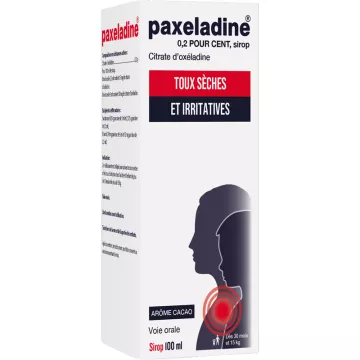
What is a dry cough, and what causes it?
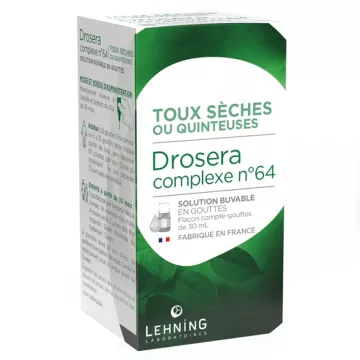
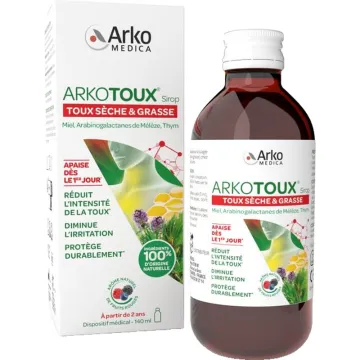
An irritative cough is a dry, nonproductive cough —it does not expel mucus—triggered by direct irritation of the laryngeal or tracheobronchial mucosa. The characteristic sensation is a persistent tickling or scratchy feeling in the throat that triggers uncontrollable coughing fits. It differs from a productive cough in that there are no secretions at all. Natural cough-relieving products are available in the store.
- Environmental irritants: dry, cold air (dries out the laryngeal mucosa) — air pollution (fine PM2.5 particles directly irritate the epithelium) — tobacco smoke (active and passive) — dust, dust mites, mold — household chemical sprays
- Post-infectious residual cough: After nasopharyngitis or the flu, transient bronchial hyperreactivity can cause a dry, irritative cough to persist for 2 to 4 weeks after the infection has resolved—the mucosa remains sensitized
- Allergy: Allergic rhinitis with postnasal drip can trigger a chronic irritative cough — pollen, dust mites, pet dander — treating the underlying allergy (antihistamines, nasal corticosteroids) often resolves the cough
- Gastroesophageal reflux (GERD): Gastric acid reflux irritates the larynx without a perceived burning sensation (silent laryngopharyngeal reflux)—chronic dry cough, often nocturnal or postprandial, without obvious digestive symptoms—should be considered in any case of persistent, unexplained dry cough
- ACE inhibitors: Angiotensin-converting enzyme inhibitors (prescribed for high blood pressure—enalapril, ramipril) cause a persistent dry cough in 10 to 15% of patients—the cough resolves when the medication is discontinued
How can you naturally relieve a dry, irritating cough?
The goal of natural remedies for an irritative cough is to soothe and protect the irritated mucous membrane through an emollient and film-forming effect — forming a protective film on the laryngeal epithelium that reduces irritation and interrupts the cough reflex. Hydration is the first step: drinking small sips of warm water regularly hydrates the mucous membrane and stops the coughing fit.
- Honey: a natural emollient — 1 to 2 teaspoons on its own (let it melt slowly in the mouth for maximum contact with the pharyngeal mucosa) or in a warm herbal tea — soothing properties comparable to dextromethorphan in some studies — contraindicated for children under 1 year of age
- Marshmallow (Althaea officinalis): root rich in mucilage — forms a protective film over irritated mucous membranes — purely mechanical action with no drug interactions — as a cold infusion (cold maceration for 2 hours to preserve the mucilages; hot water breaks them down) or as a syrup
- Chamomile and thyme: chamomile (anti-inflammatory azulene—as an infusion with honey)— thyme (bronchial antispasmodic thymol—reduces the frequency of coughing fits)—ginger and cinnamon as a herbal tea (natural anti-inflammatories for the airways)
- Warm saltwater gargles: 1/2 teaspoon of salt in a glass of warm water—3 to 4 times a day—reduces local inflammation and soothes a scratchy throat—a simple and effective remedy for a cough caused by throat irritation
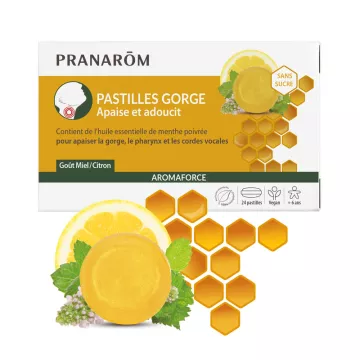
- Essential oils: eucalyptus (1,8-cineole—via diffuser or gentle inhalation)— propolis lozenges (protective film + local antibacterial effect) — Peppermint essential oil is not recommended for children under 6 (risk of laryngospasm) or for pregnant women
Breathing exercises, lifestyle, and prevention
An irritative cough can perpetuate the irritation itself—each coughing fit damages the already weakened mucous membrane and triggers the next one. Breaking this vicious cycle requires techniques that control the cough reflex and allow the mucous membrane to regenerate.
- Cough suppression technique: At the first sensation of a tickle, swallow quickly (swallowing closes the epiglottis and momentarily inhibits the cough reflex)—or take a small sip of lukewarm water—this technique often stops the coughing fit before it starts
- Controlled breathing: inhale slowly and deeply through the nose (4 seconds)—hold your breath for 2 seconds—exhale gently and slowly through the mouth (6 seconds)—reduces bronchial hyperreactivity and spaces out coughing fits—combined with relaxation (cardiac coherence, yoga), reduces stress, which exacerbates irritation-induced coughing
- Environmental changes: humidifier (40–60% humidity) in the bedroom — HEPA-filter air purifier if allergies or pollution are present — quit smoking — avoid household sprays, perfumes, and volatile products in living spaces — ventilate for 15 minutes in the morning and evening
- Diet: Avoid spicy foods (capsaicin directly activates cough receptors), alcohol (irritates the mucous membranes), and very cold or carbonated beverages (trigger spasms) — prioritize foods rich in vitamin C and zinc (support the mucous membranes and immune system)