0
Menu

Marshmallow: Benefits for the Skin, Digestion, and Throat

Filter
Number of products : 5
Sort
Sort
Close
Marshmallow Cut root Iphym Herbalism Althaea officinalis L. Marshmallow Cut root Iphym Herbalism Althaea officinalis L.
100 g 250 g +
€30.49
Add to cart
Usually ships in 5-7 business days
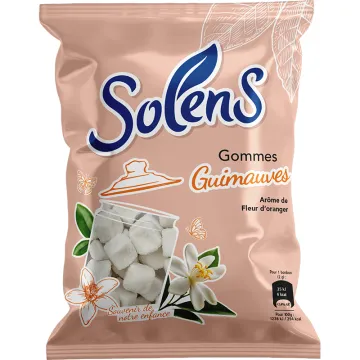
Solens Marshmallow Gums 100 g Solens Marshmallow Gums 100 g
€3.49
Shipped within 24h
Solens Old-Fashioned Flavor Marshmallows 90g Solens Old-Fashioned Flavor Marshmallows 90g
€3.49
Shipped within 24h
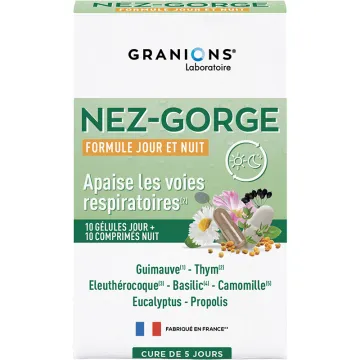
Granions Nez Gorge 10 capsules + 10 tablets Phytotherapy Granions Nez Gorge 10 capsules + 10 tablets Phytotherapy
€8.89
Shipped within 24h
Propolia Organic Nighttime Sleep & Throat Syrup 145 ml Propolia Organic Nighttime Sleep & Throat Syrup 145 ml
€11.69
Shipped within 24h

What is marshmallow?

Common marshmallow (Althaea officinalis) is a perennial plant in the Malvaceae family, a cousin of the mallow, native to Europe and Asia. Its root and leaves contain up to 30% mucilage, long chains of polysaccharides that form a creamy gel when they come into contact with water. This unique property explains its millennia-old use for soothing irritated mucous membranes in the ENT, digestive, urinary, and skin systems. It is recognized by the European Pharmacopoeia and the EMA.

What are the benefits of marshmallow root?

Its emollient properties are based on a physical mechanism: the mucilages coat the mucous membranes with a protective film. It is traditionally used to:

How should marshmallow be used in daily life?

Choose the dosage form based on the intended use:

  • Cold maceration (key to effectiveness): 1 tablespoon of root in 250 ml of cold water for 30 minutes; strain and let cool. Heat destroys the mucilage;
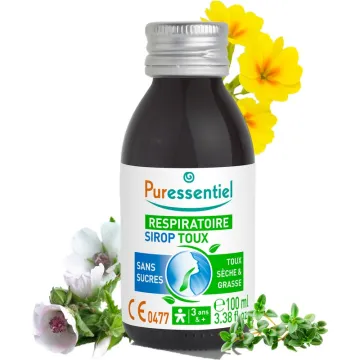
  • Syrup: the gold standard for soothing dry coughs;
  • Micronized powder capsules for digestive or urinary disorders;
  • Poultice or gel for external use on irritated skin;
  • Mouthwash for oral inflammation and minor mouth sores.

Why does it soothe the throat and cough?

The mechanical action of the mucilages coats the pharyngeal mucosa and calms the cough reflex by acting as a barrier. Marshmallow is one of the most well-documented plants used in throat-soothing syrups and is effective for dry, irritating coughs. Any cough lasting more than 7 days or accompanied by a fever warrants a doctor’s visit.

Does marshmallow protect the stomach and aid digestion?

In the stomach, the mucilaginous gel coats the stomach lining and provides relief from heartburn and acid reflux. In the intestines, the mucilage gently increases the volume of stool and facilitates its passage, making it helpful for mild constipation and sensitive bowels. Adequate hydration is essential during treatment.

Does marshmallow relieve skin irritations?

When used externally, its emollient properties soothe redness, reactive skin, and minor rashes. It is an ingredient in balms formulated for rashes and superficial wounds, to be used following proper cleansing. For extensive skin lesions or deep burns, medical advice is required.

Is it suitable for babies and young children?

Traditionally, chewing marshmallow root was used to ease teething. Today, its use in infants and young children should always be discussed with a pharmacist or pediatrician—especially before 12 months of age—to determine the appropriate form and dosage.

What precautions should be taken with marshmallow?

  • Space out the intake of any medication by at least 2 hours (the mucilage may delay its absorption);
  • Known allergy to the Malvaceae family: avoid;
  • Pregnancy and breastfeeding: occasional use and consultation with a pharmacist are recommended;
  • Diabetes: monitor blood sugar levels during prolonged use;
  • Limit continuous use to 3 to 4 weeks without medical advice.

Which plants can be combined with marshmallow?

Herbal synergies depend on the intended use: