What is a cough, and what are its different types?
A cough is a protective reflex that expels secretions, foreign bodies, and irritants from the respiratory tract. It can be productive (a productive cough that clears mucus) or non-productive (a dry, irritating cough without mucus). The cause determines the treatment—a dry cough and a productive cough are never treated the same way. Natural cough remedies are available in the store’s “Winter Illnesses and Respiratory Health ” section.
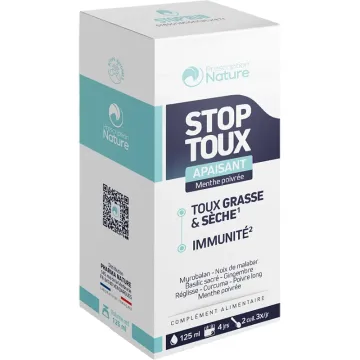
- Dry (nonproductive) cough: no mucus—irritation or inflammation of the mucous membrane—causes: early-stage viral infection, pharyngitis, laryngitis, asthma, gastroesophageal reflux, medications (ACE inhibitors), dry air—treatment: cough suppressants, expectorants, humidification—see dry cough
- Wet (productive) cough: mucus to be cleared — bronchitis, nasopharyngitis with postnasal drip, pneumonia — treatment: expectorants and mucolytics — never suppress with a cough suppressant (prevents mucus clearance) — see productive cough
- Common causes: viral infections (common cold, flu) — respiratory allergies — smoking — irritants (pollution, dust, fumes) — gastroesophageal reflux — asthma — ACE inhibitors (angiotensin-converting enzyme inhibitors)
- Foods to avoid if you have a persistent cough: spicy foods (irritate the mucous membranes) — excessive dairy products (may thicken secretions in some people) — cold or carbonated beverages (trigger spasms) — alcohol (irritates and dehydrates)
What natural remedies effectively relieve a cough?
Staying hydrated is the first step—drinking 1.5 to 2 L/day of warm or hot liquids (water, herbal teas, broths) thins secretions and moisturizes irritated mucous membranes. Hot beverages combine hydration with a beneficial steaming effect on the respiratory tract. Several plants and natural substances have documented antitussive, expectorant, or soothing properties.
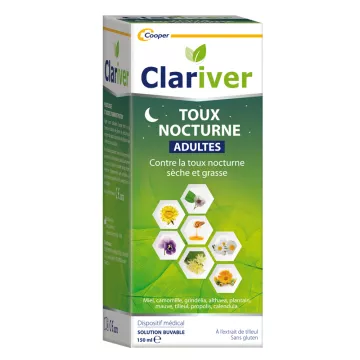
- Honey: 1 to 2 teaspoons, either on its own or in a warm herbal tea — soothes the pharyngeal and bronchial mucous membranes — mild antibacterial properties — effectiveness comparable to dextromethorphan for nighttime coughs in some pediatric studies — contraindicated before age 1 (risk of infant botulism)
- Ginger: anti-inflammatory gingerols and shogaols for the respiratory tract — as an infusion (1 cm of grated fresh ginger in 250 mL of boiling water, 10 min) with honey and lemon — relieves throat inflammation and clears the airways — combined with honey to enhance the soothing effect
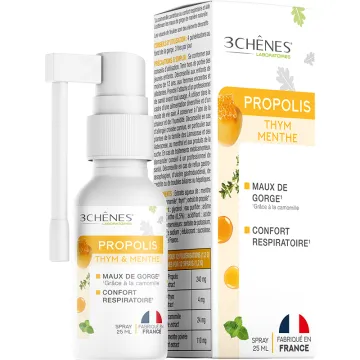
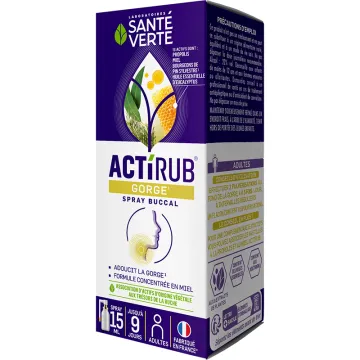
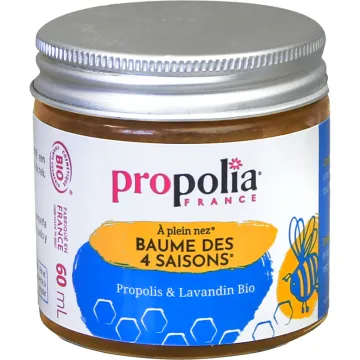
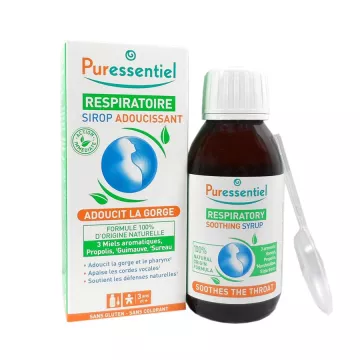
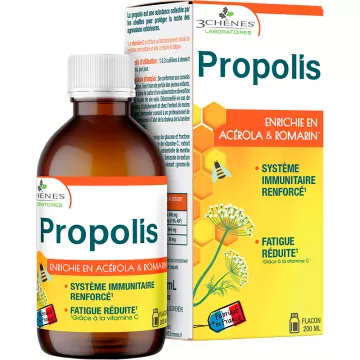
- Propolis: proven antibacterial and antiviral effects against major respiratory pathogens — in lozenges (local action on the pharyngeal mucosa) or as an oral spray — effective for coughs of infectious origin — alcoholic tincture should be diluted if you have a sensitive stomach
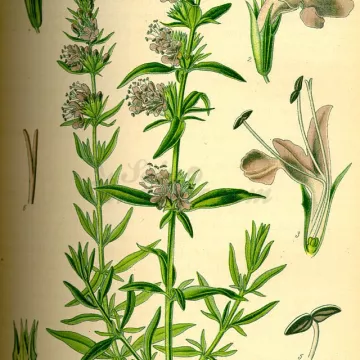
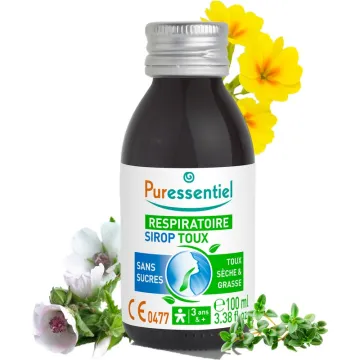
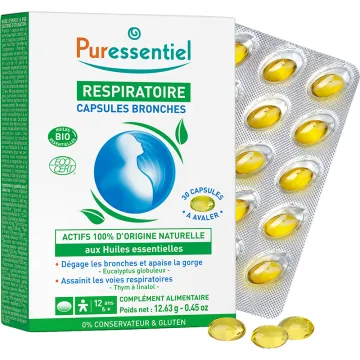
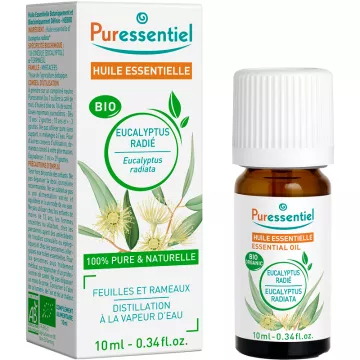
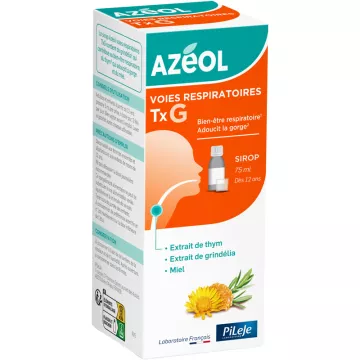
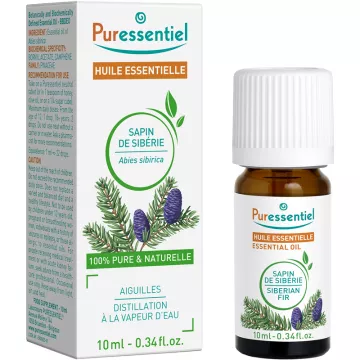
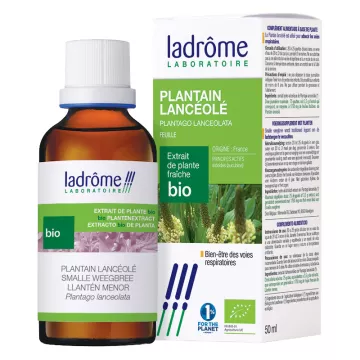
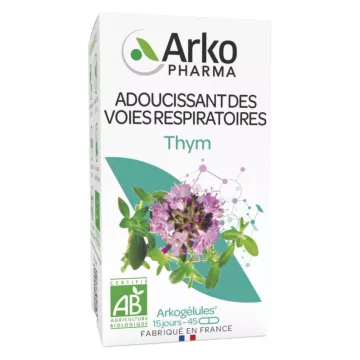
- Thyme, eucalyptus, and black radish: thyme (Thymus vulgaris —thymol, which acts as an expectorant, bronchial antispasmodic, and antiseptic) — eucalyptus (1,8-cineole, which acts as a mucolytic and decongestant when inhaled) — black radish (raphanol, which thins mucus in the bronchi — homemade syrup: hollowed-out radish + honey, let macerate for 12 hours)
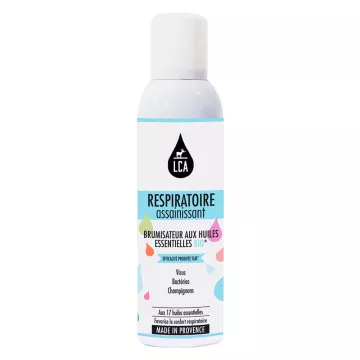
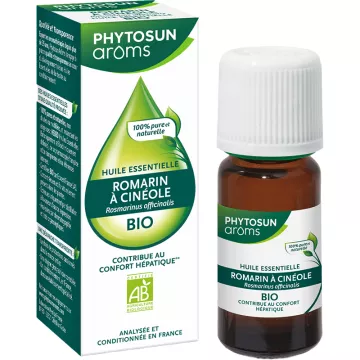
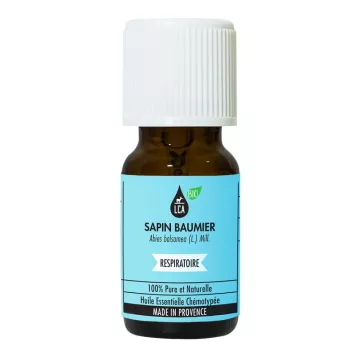
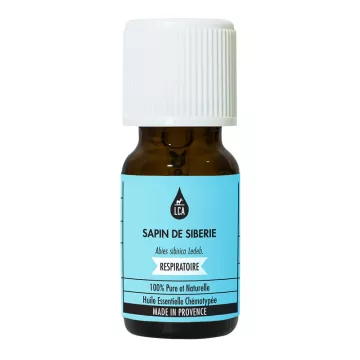
- Steam inhalations: hot water alone or with 3 to 5 drops of eucalyptus essential oil — 10 minutes under a towel — 2 to 3 times a day — precautions for children (do not use boiling water, maintain a safe distance, peppermint essential oil not recommended for children under 6)
Natural Remedies for Children, Immunity, and Prevention
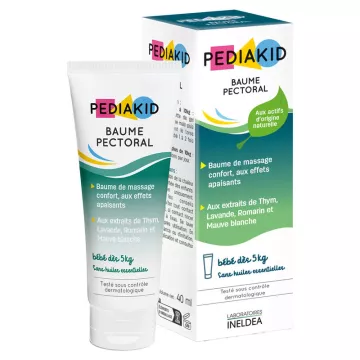
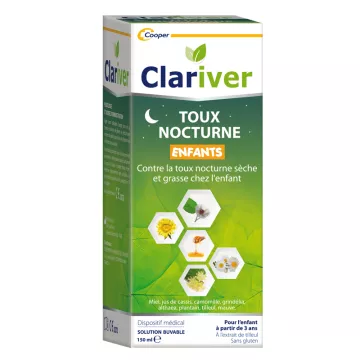
Natural remedies for coughs in children require adjustments based on age. Honey (> 1 year) remains the best-documented option. Syrups made from thyme or black radish can be used starting at age 2. Peppermint and eucalyptus essential oils are not recommended for children under 6 years of age (risk of laryngospasm and bronchoconstriction). Inhalations can be used for children 3 years and older under strict parental supervision.
- Boost immunity to prevent coughs: vitamin C (citrus fruits, kiwi, bell peppers—or as a supplement, 500–1,000 mg/day in winter)—zinc (pumpkin seeds, legumes, seafood—or as a supplement, 10–15 mg/day) — vitamin D3 (1,000–2,000 IU/day from November to March) — adequate sleep (sleep deprivation quadruples the risk of respiratory infection) — regular moderate physical activity
- Preventing the spread of infection: frequent handwashing (20 seconds with soap or hand sanitizer) — single-use disposable tissues — cough into the crook of your elbow — regular ventilation of spaces (15 minutes twice a day) — cleaning of shared surfaces
- Natural remedies as a supplement to medications: natural remedies can be used in combination with medications (except where contraindicated—never combine a cough suppressant with an expectorant)—always check for potential interactions with current medications (propolis may interact with anticoagulants)